Stone - Tampering - And Dementia Lawsuits

Account upgrade
The download is free, but we offer some paid services. Support us by subscribing
Delete ads and speed up browsing the library.
The download starts with the click of a button without waiting for the book to be ready.
No limits for download times.
You can upload unlimited books in the library.
Enable readers to download your books without waiting.
Delete ads on the books that you publish.
No problems with download links for your uploaded books.
Book Stone Tampering And Dementia Lawsuits
Copyright reserved
The book cannot be previewed or downloaded in order to preserve the copyright of the author and publishing house
Not available digitally or on paper through the Noor Library, it is for rating and review

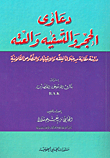

Stone - Tampering - And Dementia Lawsuits
| Author: | بنك الموسوعة القضائية |
| Category: | Stone Tools [Edit] |
| Language: | Arabic |
| Publisher: | منشورات الحلبي الحقوقية |
| ISBN: | 9953486819 |
| Release Date: | 05 Mar 2008 |
| Pages: | 149 |
| Rank: | 629,117 No 1 most popular |
| Short link: | Copy |
| More books like this book | |
Book Description
الحجر لغة المنع وسمى العقل حجراً لأنه يمنع من القبائح ومنه قوله تعالى (هل في ذلك قسم لذي حجر) أي عقل –وفي الشرع منع من نفاذ تصرف قولي. والجنون كما في التلويح اختلال في القوة المميزة بين الأمور الحسنة والقبيحة المدركة للعواقب بأن لا تظهر آثارها وتتعطل إما لنقصان ما جعل عليه دماغه في أصل الخلقة وإما لخروج مزاج الدماغ عن الاعتدال بسبب خلط أو آفة، وإما لاستيلاء الشيطان عليه وإلقاء الخيالات الفاسدة غليه بحيث يفرح ويفزع عن غير ما يصلح سبباً.
وقيل المجنون من لا يستقيم كلامه وأفعاله إلا نادراً والعاقل ضده. وقال بعضهم: المجنون من يفعل أفعالاً قبيحة عن قصد، والعاقل من يعقلها أحياناً على ظن الصلاح لا عن قصد.
اعتبر الفقهاء أن الحجر للسفه لا أثر له إلا في التصرفات التي تحتمل الفسخ ويبطلها الهزل، كما أن العته لا يثبت إلا بحجة كما اعتبروا أيضاً أن المعتوه هو قليل الفهم مختلط الكلام وليس معناه أنه لا يفهم شيئاً أصلاً أو لا يتكلم كلاماً صحيحاً مطلقاً.
وما يسعى إليه هذا الجزء الجديد من سلسلة الموسوعة القضائية هو التركيز على أهم المواضيع والنقاط والاجتهادات التي ترعى قضايا الحجر والعته والتسفيه، إن لجهة: مرض الموت، ومرض الفصام، وتقدير مسألة وحالة العته، ودور القيم على المجنون، ومدى قانونية التصرفات السابقة لحكم الحجر، كبر السن وأسباب الحجر، موضوع الغفلة، مسالة تقدير الحالات العقلية، المفعول الإعلاني لحكم الحجر، إجراءات دعوى الحجر، الصفة عند تقديم دعوى الحجر الخ...
الإنسان مسؤول عن تصرفاته والأعمال التي يطلع بها وبنتائجها... مسؤولية الإنسان تبقى قائمة ويلاحق المخل بالقوانين الوضعية وبقواعد العلاقات الإنسانية طالما أن المرء متمتعاً بكافة قواه العقلية والجسدية، ومتى غابت هذه القوى فما على ذوي العلاقة المعنيين أو المتضررين إلا باتخاذ التدابير الاحتياطية القانونية لوقف تصرفات الغير المدرك وهو تحت تأثيرات نفسية ومرضية.
الكتاب، يوجز حالات الحجر والتسفيه والعته وهي عينات في الحالات الطارئة –أو المزمنة- التي تفتك بقدرات الإنسان وتشل قواه وسلوكه عن كل تصرف حقوقي مسؤول.

Copyright reserved
The book cannot be previewed or downloaded in order to preserve the copyright of the author and publishing house
Not available digitally or on paper through the Noor Library, it is for rating and review
Share the book :
Book Review "Stone - Tampering - And Dementia Lawsuits"

Book Quotes "Stone - Tampering - And Dementia Lawsuits"

Other books like "Stone - Tampering - And Dementia Lawsuits"





If there is a problem with the book, please report through one of the following links:
Report the book or by Contact us
E-books are complementary and supportive of paper books and never cancel it. With the click of a button, the e-book reaches anyone, anywhere in the world.
E-books may weaken your eyesight due to the glare of the screen. Support the book publisher by purchasing his original paper book. If you can access it and get it, do not hesitate to buy it.
Publish your book now for free