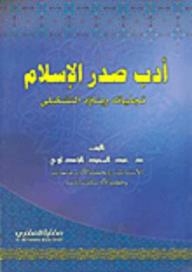
In Umayyad Literature (Its Manifestations And Plastic Structure) Part One

Account upgrade
The download is free, but we offer some paid services. Support us by subscribing
Delete ads and speed up browsing the library.
The download starts with the click of a button without waiting for the book to be ready.
No limits for download times.
You can upload unlimited books in the library.
Enable readers to download your books without waiting.
Delete ads on the books that you publish.
No problems with download links for your uploaded books.
Book In Umayyad Literature Its Manifestations And Plastic Structure Part One
Copyright reserved
The book cannot be previewed or downloaded in order to preserve the copyright of the author and publishing house
Not available digitally or on paper through the Noor Library, it is for rating and review



In Umayyad Literature (Its Manifestations And Plastic Structure) Part One
| Author: | عبد المجيد الإسداوي |
| Category: | Fine Art [Edit] |
| Language: | Arabic |
| Publisher: | مكتبة المتنبي السلسلة: من تاريخ الأدب العربي ونصوصه |
| Release Date: | 01 Jan 2007 |
| Pages: | 346 |
| Rank: | 426,581 No 1 most popular |
| Short link: | Copy |
| More books like this book | |
Book Description
يدرس هذا الكتاب عناصر البناء الموسيقي في الشعر الأموي. عصر بني أمية، بوصفه إطار ثلاثي التأثير والتأثر، تتوزع أوتاره عبر كل من الأوزان والقوافي والإيقاع وهي الأجزاء الثلاثة التي يدور حولها الحديث في هذا الكتاب.
في الجزئين الأوليين يدرس الكتاب جوانب من بناء (اللغة والصورة) في الشعر الأموي، اللذان هما وجهان لعملة واحدة ذلك أن بناء اللغة والصورة في هذا الشعر قد تأثر، بطريقة أو بأخرى، بكل من الحياة البدوية التي عاشها مبدعو هذا الشعر، إضافة الى اعتناقهم مبادئ الدين الإسلامي، واستجابتهم لدعوته المتكاملة في إقامة صرح المجتمع الإسلامي الرشيد، مما وسع الآفاق أمام الشعراء، لينهلوا من قيم الإسلام وفضائله، ويضيفوا الى صورهم لبنات موحية، كشف عن ذاتيتهم، وعمق تجاربهم في المدح والهجاء والغزل والطبيعة وغيرها.
بعد ذلك يتطرق الكتاب الى دراسة (بناء القصيدة الأموية) ممهداً لها بأبيات متفرقة ومقطوعات قصيرة، وقصائد تتفاوت طولاً من ثمانية أبيات الى ما يتجاوز ثلاثين بيتاً شعرياً، وينتقل بعد ذلك الى القاء الضوء على مكونات العمل الشعري في الأدب الأموي من خلال إجراء الكاتب مزاوجة ناجحة بين الأطر القديمة (الموروثة) من أدب الجاهليين، والمخضرمين، والاطر المستحدثة التي واكبت أنماطاً متجددة من معايش هؤلاء الشعراء والتي تنوعت بتنوع بيناتهم الشعرية، واختلاف أذواقهم الفنية.
وفي القسم الثاني، يدرس الكتاب بعض فنون النثر الأدبي في العصر الأموي، مكتفياً، بإلقاء الضوء على كل من: الوصايا، والخطب، والمراسلات والتي أحرزت تقدماً ملحوظاً في البداية ثم تأرجحت بين التفوق، والمسايرة، والتأخر، متأثرة بنمو المجتمع العربي المُسلم، حينئذ، وتطور العلوم، والارتقاء بعلم الكلام.. إضافة الى إتساع الهوة السياسية والمذهبية بين أبناء الأسرة الأموية الحاكمة، من جهة، وبين خصومها من الهاشميين والزبيريين والخوارج من جهة ثانية..
هذا الكتاب، دراسة تحليلية نقدية مهمة، يفيد منها طلاب اللغة العربية وآدابها، وكل مهتم بعيون الشعر العربي.

Copyright reserved
The book cannot be previewed or downloaded in order to preserve the copyright of the author and publishing house
Not available digitally or on paper through the Noor Library, it is for rating and review
Share the book :
Book Review "In Umayyad Literature (Its Manifestations And Plastic Structure) Part One"

Book Quotes "In Umayyad Literature (Its Manifestations And Plastic Structure) Part One"

Other books like "In Umayyad Literature (Its Manifestations And Plastic Structure) Part One"



Other books for "عبد المجيد الإسداوي"


If there is a problem with the book, please report through one of the following links:
Report the book or by Contact us
E-books are complementary and supportive of paper books and never cancel it. With the click of a button, the e-book reaches anyone, anywhere in the world.
E-books may weaken your eyesight due to the glare of the screen. Support the book publisher by purchasing his original paper book. If you can access it and get it, do not hesitate to buy it.
Publish your book now for free