The Missing Link In The Chain Of Ancient Civilizations Of The Arabian Peninsula

Account upgrade
The download is free, but we offer some paid services. Support us by subscribing
Delete ads and speed up browsing the library.
The download starts with the click of a button without waiting for the book to be ready.
No limits for download times.
You can upload unlimited books in the library.
Enable readers to download your books without waiting.
Delete ads on the books that you publish.
No problems with download links for your uploaded books.
Book The Missing Link In The Chain Of Ancient Civilizations Of The Arabian Peninsula
Copyright reserved
The book cannot be previewed or downloaded in order to preserve the copyright of the author and publishing house
Not available digitally or on paper through the Noor Library, it is for rating and review

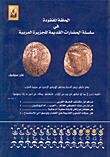

The Missing Link In The Chain Of Ancient Civilizations Of The Arabian Peninsula
| Author: | علي سكيف |
| Category: | Religions Of Ancient Civilizations [Edit] |
| Language: | Arabic |
| Publisher: | الأوائل للنشر والتوزيع والخدمات الطباعية |
| Release Date: | 01 Jan 2002 |
| Pages: | 207 |
| Rank: | 499,304 No 1 most popular |
| Short link: | Copy |
| More books like this book | |
Book Description
لقد كتب التاريخ القديم حسب الفكر التوراتي والفكر الإغريقي، وأصبح الإخباريون العرب العدنانيون الأوائل من مسلمين ومسيحيين ينهلون من الإسرائيليات ما هبّ وجب دون تمييز حتى أتى القرن التاسع عشر الميلادي فظهر في أوروبا علم الآثار واكتشافاتهم للكتابات القديمة في أرضنا العربية من مصرية قديمة مقدسة (الهيروغليفية ثم الهيراطيقية) والسينائية والآرامية فالمسند اليمني حتى اللحياني والثمودي والصفائي وكتابات أخرى. إلا أن أكثر المستشرقين كانوا من التوراتيين، وقرئت النقوش (المكتوبة بدون أحرف صوتية) قرئت حسب اللفظ العبري التوراتي الذي أضيفت إليه الأحرف الصوتية في القرن الثاني عشر الميلادي (وليس الثاني عشر قبل الميلاد) فكانت المصائب والترهات، وغربنا عن كتاباتنا العربيات القديمات لتصبح توراتية إسرائيلية!
وفي هذا الكتاب بحث هدف الأهمية بمكان إذ أنه يكشف عن الحلقة المفقودة في سلسلة الحضارات العربية القديمة وذلك من خلال إعادة قراءة النقوش التي قرأها المستشرقون حسب اللفظ العبري التوراتي حيث وجد ما يسمى باللغات القديمة من أكادية بفرعيها البابلي والآشوري ثم الأبلانية والكفانية والآرامية ما هي إلا لهجات عربيات كتبت بأنواع مختلفة من الخطوط، وهذا ما قاد الباحث إلى البدهية التي تقول: إن اختلاف نمط الخط لا يدل على اختلاف اللغة.
وقد استند العمل المنهجي الذي قام به الباحث علي سكيف على الأسس التالية: المعلومات التاريخية المتوفرة، الخطوط القديمة، الخيال العلمي. فإن الأول، فقد نحى هذا المنحى الكثير من مؤرخينا، وعليه تحفظات حيث اعتمد الكثيرون على الإسرائيليات، وقد خالفه الباحث علي سكيف في بعض نواحيه، وأما الثاني فقد نهله الباحث بكل أمانة. وأما الخيال العلمي، فقد كان الباحث فيه مبدعاً وستبقى نظريته قائمة على مجال الظن حتى يأتينا نقوش أخرى مماثلة ترفعها من درجة الظن إلى درجة المترجم ثم إلى درجة اليقين والقرار وذلك حسب المنهج التجريبي الذي أتى به ابن حزم الأندلسي وابن البيطار العشاب. وأحلى ما في هذا البحث أنه خرج عن المدرسة التقليدية شجاعاً في طرح ما جاء به، كما أنه سيكون عتبة للدرس والنقد.

Copyright reserved
The book cannot be previewed or downloaded in order to preserve the copyright of the author and publishing house
Not available digitally or on paper through the Noor Library, it is for rating and review
Share the book :
Book Review "The Missing Link In The Chain Of Ancient Civilizations Of The Arabian Peninsula"

Book Quotes "The Missing Link In The Chain Of Ancient Civilizations Of The Arabian Peninsula"

Other books like "The Missing Link In The Chain Of Ancient Civilizations Of The Arabian Peninsula"

Other books for "علي سكيف"

If there is a problem with the book, please report through one of the following links:
Report the book or by Contact us
E-books are complementary and supportive of paper books and never cancel it. With the click of a button, the e-book reaches anyone, anywhere in the world.
E-books may weaken your eyesight due to the glare of the screen. Support the book publisher by purchasing his original paper book. If you can access it and get it, do not hesitate to buy it.
Publish your book now for free