In The Philosophical Theory Of Knowledge: Plato - Descartes - Kant

Account upgrade
The download is free, but we offer some paid services. Support us by subscribing
Delete ads and speed up browsing the library.
The download starts with the click of a button without waiting for the book to be ready.
No limits for download times.
You can upload unlimited books in the library.
Enable readers to download your books without waiting.
Delete ads on the books that you publish.
No problems with download links for your uploaded books.
Book In The Philosophical Theory Of Knowledge Plato Descartes Kant
Copyright reserved
The book cannot be previewed or downloaded in order to preserve the copyright of the author and publishing house
Not available digitally or on paper through the Noor Library, it is for rating and review

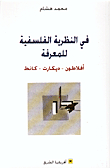

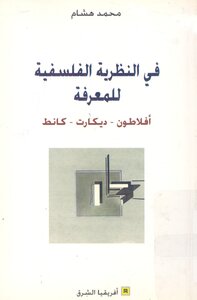
In The Philosophical Theory Of Knowledge: Plato - Descartes - Kant
| Author: | Muhammad Hisham |
| Category: | Plato [Edit] |
| Language: | Arabic |
| Publisher: | أفريقيا الشرق |
| ISBN: | 9981252131 |
| Release Date: | 01 Jun 2001 |
| Pages: | 223 |
| Rank: | 169,413 No 1 most popular |
| Short link: | Copy |
| More books like this book | |
Book Description
قامت الفلسفة دوماً، منذ عقد ميلادها الرسمي مع أفلاطون، على ثابت بنيوي؛ حوله كانت تنظم كل النظريات والمواقف التي ينتجها الفيلسوف في شتى المجالات التي يبحث فيها. إن هذا الثابت هو نظرية المعرفة. ومن ثم، فإن قراءة فلسفة ما إنما ينبغي أن تعني أولاً وبالأساس بالتعرف على نظرية المعرفة فيها، لأن النظرية هي التي يمكنها ان تضع بين أيدينا المعطيات الجوهرية لمساءلة النص الفلسفي، في تعقده وخصوصيته، حول أهدافه النظرية والغايات العلمية لتدخله في سياق الوضع التاريخي الذي أنتج فيه.
هذا وإن ممارسة التفلسف في سبيل البحث عن الحقيقة، قدمت نفسها باستمرار، وبصورة متعددة وأشكال ملتوية وخدمة لأغراض أخلاقية دينية ايديولوجية، كممارسة للحقيقة. وإذا كانت هذه الممارسة قد أعلنها الفلاسفة لعبة الحقيقة ذاتها، فليس ذلك إلا مجرد ادعاء محض. وفي هذه الدراسة يحاول الباحث الكشف عن هذا الادعاء وذلك من خلال ثلاثة نماذج أساسية شكلت مدارس في نظرية المعرفة الفلسفية وهم أفلاطون، ديكارت، كانط، وهدفه الانتباه إلى ضرورة بل واجب التخلص من هذا الادعاء.
تشكل نظرية المعرفة في نظام التفكير الفلسفي الغربي نقطة الإرتكاز الأساسية التي تنتظم مختلف أبعاد ومقاربات هذا النظام لشتى المجالات التي يبحث فيها. ونظرية المعرفة، من حيث هي كذلك، تشتغل كإطار تتكثف داخله أنظمة المواقف التي أنتجتها الأنساق الفلسفية تجاه الممارسات العلمية في مختلف الميادين.
لأن العلوم، في الثقافة الفلسفية الغربية، تحدد الفلسفة كفلسفة. ولكنها، إذ تفعل ذلك، فلخدمة أهداف وغايات (أخلاقية، دينية، إيديولوجية...) تخص الفلسفة نفسها ولا تهم العلم في شيء.
تحاول هذه الدراسة، من خلال ثلاثة نماذج اساسية (أفلاطون وديكارت وكانط) أن تعرض لهذه المسألة بالفحص والتحليل لتبين ما تدعوه "لعبة الفلسفة"، ببيانها أن "نظرية المعرفة" هي نظرية استغلال العلوم لفائدة مصالح نظرية وعملية غريبة عن العلوم.

Copyright reserved
The book cannot be previewed or downloaded in order to preserve the copyright of the author and publishing house
Not available digitally or on paper through the Noor Library, it is for rating and review
Share the book :
Book Review "In The Philosophical Theory Of Knowledge: Plato - Descartes - Kant"

Book Quotes "In The Philosophical Theory Of Knowledge: Plato - Descartes - Kant"

Other books like "In The Philosophical Theory Of Knowledge: Plato - Descartes - Kant"




Other books for "Muhammad Hisham"




If there is a problem with the book, please report through one of the following links:
Report the book or by Contact us
E-books are complementary and supportive of paper books and never cancel it. With the click of a button, the e-book reaches anyone, anywhere in the world.
E-books may weaken your eyesight due to the glare of the screen. Support the book publisher by purchasing his original paper book. If you can access it and get it, do not hesitate to buy it.
Publish your book now for free