ENGLISH - ARABIC/ARABIC - ENGLISH TRANSLATION - A Practical Guide

Account upgrade
The download is free, but we offer some paid services. Support us by subscribing
Delete ads and speed up browsing the library.
The download starts with the click of a button without waiting for the book to be ready.
No limits for download times.
You can upload unlimited books in the library.
Enable readers to download your books without waiting.
Delete ads on the books that you publish.
No problems with download links for your uploaded books.
Book English Arabic Arabic English Translation A Practical Guide
Copyright reserved
The book cannot be previewed or downloaded in order to preserve the copyright of the author and publishing house
Not available digitally or on paper through the Noor Library, it is for rating and review

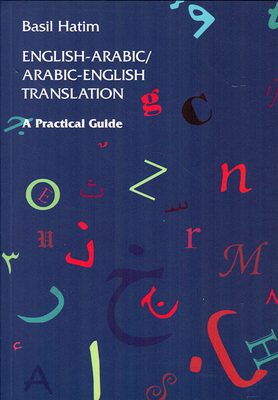

ENGLISH - ARABIC/ARABIC - ENGLISH TRANSLATION - A Practical Guide
| Author: | Basil Hatim |
| Category: | English Literature Translated [Edit] |
| Language: | English |
| Publisher: | دار الساقي للطباعة والنشر |
| ISBN: | 863561551 |
| Release Date: | 01 Jan 1997 |
| Pages: | 235 |
| Rank: | 109,038 No 1 most popular |
| Short link: | Copy |
| More books like this book | |
Book Description
يطمح المؤلف من خلال هذا الكتاب إلى وضع قواعد للترجمة تتجاوز المألوف والقديم في هذا المجال. وهو يتخطى حدود قواعد الترجمة الحرفية والتي تضيع في كثير من الأحيان روح النص ومفهومه إلى الترجمة التي تعتمد على الفهم المعمّق للنص بجمله وكلماته ومجتمعه، مميزاً ما بين النصوص العلمية والنصوص الأدبية التي تقتضي كل واحدة منها أسلوباً في الترجمة مغايراً.
وقد جاء الكتاب ضمن ثلاثة أقسام: تناول القسم الأول: قواعد ترجمة النصوص القانونية، وخصص القسم الثاني: لترجمة النصوص ذات الطابع السردي الوضعي، وأما القسم الثالث: فقد كرسه المؤلف لقواعد ترجمة النصوص التي تحمل طابع النقاش الموضوعي. وقد ضم كل قسم نصوصاً ذات مواضيع هامة مثلت نموذجاً يتعرف من خلالها المترجم على القواعد السليمة المتبعة في ترجمة كل نص من هذه النصوص.
Unlike other available translation manuals, English-Arabic/Arabic-English Translation: A Practical Guide transcends the crude dichotomies of ‘literal’ vs ‘free’ translation, ‘specialized’ vs ‘general’ ‘communicative’ vs ‘semantic’. It concentrates instead on developing a sensitivity to text-types and a deeper understanding of the demands that a given type makes on the translator. In addition, those who follow this Guide will acquire the analytical tools needed to make meaningful comments about translation and translations.
The Guide is divided into three sections: translating legal texts; translating detached exposition; and translating argumentation. Thus the development of the student’s translation skill and strategies starts with objective, non-evaluative texts and progressively moves on to extremely involved and highly evaluative texts.
The sections are divided into units. Each unit contains an overview which contextualizes the particular text-form under discussion. A carefully chosen selection of texts and detailed notes and glossaries helps guide the student to the most appropriate translation. A glossary of text-linguistic and translation terms is provided together with a select bibliography.
The Guide will prove invaluable for both students and teachers of translation. Professional translators will also find this Guide a useful tool.

Copyright reserved
The book cannot be previewed or downloaded in order to preserve the copyright of the author and publishing house
Not available digitally or on paper through the Noor Library, it is for rating and review
Share the book :
Book Review "ENGLISH - ARABIC/ARABIC - ENGLISH TRANSLATION - A Practical Guide"

Book Quotes "ENGLISH - ARABIC/ARABIC - ENGLISH TRANSLATION - A Practical Guide"

Other books like "ENGLISH - ARABIC/ARABIC - ENGLISH TRANSLATION - A Practical Guide"

If there is a problem with the book, please report through one of the following links:
Report the book or by Contact us
E-books are complementary and supportive of paper books and never cancel it. With the click of a button, the e-book reaches anyone, anywhere in the world.
E-books may weaken your eyesight due to the glare of the screen. Support the book publisher by purchasing his original paper book. If you can access it and get it, do not hesitate to buy it.
Publish your book now for free