Death In Western Thought

Account upgrade
The download is free, but we offer some paid services. Support us by subscribing
Delete ads and speed up browsing the library.
The download starts with the click of a button without waiting for the book to be ready.
No limits for download times.
You can upload unlimited books in the library.
Enable readers to download your books without waiting.
Delete ads on the books that you publish.
No problems with download links for your uploaded books.
Book Death In Western Thought
Copyright reserved
The book cannot be previewed or downloaded in order to preserve the copyright of the author and publishing house
Not available digitally or on paper through the Noor Library, it is for rating and review



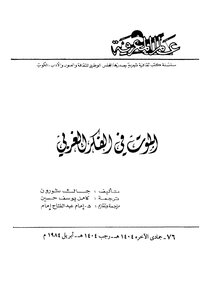
Death In Western Thought
| Author: | جاك شورون |
| Category: | Western Culture [Edit] |
| Language: | Arabic |
| Publisher: | المؤسسة العربية للدراسات والنشر |
| Release Date: | 01 Jan 2000 |
| Pages: | 346 |
| Rank: | 479,961 No 1 most popular |
| Short link: | Copy |
| More books like this book | |
Book Description
تأتي أهمية هذا الكتاب الذي نقدمه إلى القارئ العربي والذي قيل عنه بحق "أن كتاب جاك شورون... Jacques Choron من أنه يحتوي على مسح شامل لآراء الفلاسفة الغربيين عن موضوع الموت ونحن نوصى به، بصفة خاصة لتراثه في الاقتباسات التي يقتبسها من هؤلاء الفلاسفة. وألحق أن مؤلف هذا الكتاب قد بذل جهداً كبيراً في تتبع آراء الفلاسفة حول موضوع الموت (وقد تكون في كثير من الأحيان مجرد شذرات) منذ بداية التفكير الفلسفي في بلاد اليونان حتى الفلسفة المعاصرة لا سيما الفلسفة الوجودية التي اهتمت به اهتماماً كبيراً.
ويبدو واضحاً مدى انشغال المؤلف بهذا الموضوع وتعمقه فيه، فهذا الكتاب هو الثالث في الموضوع نفسه، ما يدل على أنه قضى شطراً كبيراً من حياته في دراسة الموت. وهو يبدأ كتابه بمقدمة يطرح فيها سؤالاً هاماً: هو متى اكتشف الإنسان الموت؟ كان فولتير Voltaire يقول "الجنس البشري هو الجنس الوحيد الذي يعرف أنه سيموت، وهو يعرف ذلك من خلال التجربة". ومعنى ذلك أن الحيوان ليس لديه ولا حتى الإحساس الغامض بقرب نهايته، لأن الإنسان هو الحيوان الوحيد الذي لديه إدراك واضح بالموت. فمتى اكتشف الإنسان أنه سيموت؟ هل هي التجربة التي علّمت الإنسان كما يقول فولتير؟ أم أن لدى الإنسان، كما يقول ماركس شلر، حدساً بالموت حتى ولو كان وحيداً في العالم لأن الموت عنده أمر قبلى a priori سابق على كل تجربة وكل ملاحظة؟. يذهب المؤلف إلى أن الإنسان البدائي لم يستنتج من حالات الوفاة التي شاهدها أن الموت ضرورة حتمية للوجود البشري، وإنما كان يرده باستمرار لعوامل شريرة. كذلك بأن منشأة فكرة الموت عند الطفل تبين أن معلوماته عن حتمية الموت إنما يفضي بها الكبار، عادة، إلى الأطفال... وينتهي المؤلف إلى أن هناك شرطين لإدراك أن الموت ظاهرة حتمية عامة: الأول: التطور النفسي والعقلي الذي يجاوز العقلية البدائية ويتجه بالإنسان نحو الفردية. والثاني: ظهور الاستدلال المنطقي بحيث تصبح لدى الإنسان القدرة على أن يستخلص من الأحداث الجديدة التي ثمر به قانوناً عاماً يقول: "إن البشر جميعاً فانون". ثم يطرح المؤلف في مقدمته سؤالاً آخر هو "هل حتمية الموت تعني الفناء الشامل؟". ويذهب إلى أن هناك قطاعاً كبيراً من البشر يعتقدون اعتقاداً جازماً في حياة أخرى بعد الموت، فكأن الموت في هذه الحياة الدنيا ليس نهاية كل شيء، وإنما هو نهاية لضرب من الحياة وبداية لضرب آخر منها.
وبعد هذه المقدمة يعرض علينا المؤلف في ستة وعشرين فصلاً آراء المفكرين الغربيين في موضوع الموت، ابتداء من الفلاسفة السابقين على سقراط في القرن السادس قبل الميلاد حتى الفلسفة الوجودية المعاصرة-ومن هذا العرض يتبين لنا أن دراسة الموت في الفكر الفلسفي عموماً دراسة نادرة (رغم النصوص الكثيرة التي يقتبسها المؤلف) مصداقاً لقول اسبنوزا "إن آخر ما يفكر فيه الرجل الحر هو الموت: لأن حكمته ليست تأملاً للموت، بل تأملاً للحياة".

Copyright reserved
The book cannot be previewed or downloaded in order to preserve the copyright of the author and publishing house
Not available digitally or on paper through the Noor Library, it is for rating and review
Share the book :
Book Review "Death In Western Thought"

Book Quotes "Death In Western Thought"

Other books like "Death In Western Thought"





If there is a problem with the book, please report through one of the following links:
Report the book or by Contact us
E-books are complementary and supportive of paper books and never cancel it. With the click of a button, the e-book reaches anyone, anywhere in the world.
E-books may weaken your eyesight due to the glare of the screen. Support the book publisher by purchasing his original paper book. If you can access it and get it, do not hesitate to buy it.
Publish your book now for free