Sudanese Morals

Account upgrade
The download is free, but we offer some paid services. Support us by subscribing
Delete ads and speed up browsing the library.
The download starts with the click of a button without waiting for the book to be ready.
No limits for download times.
You can upload unlimited books in the library.
Enable readers to download your books without waiting.
Delete ads on the books that you publish.
No problems with download links for your uploaded books.
Book Sudanese Morals
Copyright reserved
The book cannot be previewed or downloaded in order to preserve the copyright of the author and publishing house
Not available digitally or on paper through the Noor Library, it is for rating and review

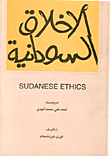

Sudanese Morals
| Author: | توري نوردنستام |
| Category: | Moral Literature Translated [Edit] |
| Language: | Arabic |
| Publisher: | دار جامعة الخرطوم للنشر |
| Release Date: | 01 Jan 1996 |
| Pages: | 261 |
| Rank: | 144,591 No 1 most popular |
| Short link: | Copy |
| More books like this book | |
Book Description
لا شك أن الدراسات الفلسفية في الأخلاق تعتبر من أهم وأخطر الدراسات الإنسانية العاصرة خاصة وأنها اتجهت لتناول القضايا التطبيقية بعد أن كانت تهتم بالعموميات والكليات العقلية المجردة وتقتصر على نطاق التجريدات المحضة من مثل ما هو الخير وما هي الفضيلة... الخ.
والكتاب الذي بين أيدينا هو دراسة فلسفية مورفولوجية للأخلاق السودانية. وقد حدد الكاتب أولاً بصورة واضحة منهجه الأخلاقي العام الذي يعتقد أنه من الاتساع بحيث يصلح للتطبيق عبر الثقافات المختلفة ثم قام بتطبيق ذلك على الفضائل والقيم والمعايير الأخلاقية التقليدية في المجتمع السوداني في شمال البلاد. وهو يحوي دراسة فلسفية فريدة للفضائل التقليدية السودانية التي كانت مثار اهتمامه.
وبصفة عامة يقع هذا الكتاب في ثلاثة أجزاء رئيسية، ففي الجزء الأول يتناول الباحث مناهج الأخلاق الوصفية وهو عبارة عن دراسة في النظرية الأخلاقية قصد منها الوصول إلى تعريف جامع واسع للأخلاق يصلح للتطبيق بفعالية عبر الثقافات المختلفة بحيث يتحاشى مشكلة التحيز للعنصر ويتفادى الإشكالات التي تواجه التعريفات الضيقة المحدودة للأخلاق. كما وأنه ربط فيه بين الأخلاق والايديولوجية وانتهى في هذا الجزء إلى وضع نظرية أخلاقية تحدد معنى الأخلاق الوصفية وصلتها بالأخلاق المعيارية وموضوعات اهتمامها. أضف إلى ذلك أنه تناول فكرة الفضيلة ومعناها وأهميتها من حيث صلتها بتصور المرء الشامل للحياة وعلاقتها بالأخلاق الوصفية وشرح طبيعة التركيب المفتوح وصلته بتغيرات وتبدلات واختلافات معاني الفضائل في المجتمع الواحد ودلالات ذلك.
أما الجزء الثاني فقد اهتم المؤلف فيه بتطبيق منهجه الذي طرحه في الجزء الأول عن الفضائل التقليدية السودانية وقد ركز بصفة أساسية على فضائل محددة انحصرت في الشجاعة والكرم والشرف والكرامة والعرض واحترام النفس. وقد قدم الباحث دراسة مورفولوجية مكثفة لهذه الفضائل خلُص منها إلى أن نسق الأخلاق السودانية التقليدية يغلب عليه أنه غيريّ التحديد بمعنى أن مكانة الفرد الأخلاقية فيه تعتمد إلى حدّ كبير على اعتقادات الآخرين من الناس في المجتمع وأفعالهم.
أما الجزء الثالث فقد ضمّن فيه المؤلف نصاً كاملاً للمقابلات التي أجراها مع طلابه الثلاثة من غير تبديل أو تصحيح حتى للأخطاء اللغوية وذلك حرصاً منه على الحفاظ على نصوص المقابلات كما هي تفادياً للتحريف والتبديل الذي قد يؤدي إلى الإخلال بالمعاني والمفاهيم التي أوردها المخبرون والتي عليها بصفة أساسية في تحليلاته وتطبيقاته خاصة في الجزء الثاني.

Copyright reserved
The book cannot be previewed or downloaded in order to preserve the copyright of the author and publishing house
Not available digitally or on paper through the Noor Library, it is for rating and review
Share the book :
Book Review "Sudanese Morals"

Book Quotes "Sudanese Morals"

Other books like "Sudanese Morals"





If there is a problem with the book, please report through one of the following links:
Report the book or by Contact us
E-books are complementary and supportive of paper books and never cancel it. With the click of a button, the e-book reaches anyone, anywhere in the world.
E-books may weaken your eyesight due to the glare of the screen. Support the book publisher by purchasing his original paper book. If you can access it and get it, do not hesitate to buy it.
Publish your book now for free