What's New In Science Education

Account upgrade
The download is free, but we offer some paid services. Support us by subscribing
Delete ads and speed up browsing the library.
The download starts with the click of a button without waiting for the book to be ready.
No limits for download times.
You can upload unlimited books in the library.
Enable readers to download your books without waiting.
Delete ads on the books that you publish.
No problems with download links for your uploaded books.
Book What S New In Science Education
Copyright reserved
The book cannot be previewed or downloaded in order to preserve the copyright of the author and publishing house
Not available digitally or on paper through the Noor Library, it is for rating and review

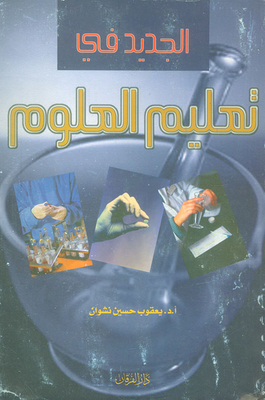

What's New In Science Education
| Author: | Yaqoub Nashwan |
| Category: | Educational Devices [Edit] |
| Language: | Arabic |
| Publisher: | دار الفرقان للنشر والتوزيع |
| Release Date: | 01 Jan 2001 |
| Pages: | 391 |
| Rank: | 320,382 No 1 most popular |
| Short link: | Copy |
| More books like this book | |
Book Description
كتاب "الجديد في تعليم العلوم" بصورته الجديدة هذه جاء ملبياً لإحتياجات كافة المهتمين بتعليم العلوم إذ أنه يعتبر محاولة جادة نحو تطبيق مبادئ وطرق تدريس العلوم في مواقف تعليمية من خلال الأمثلة العديدة التي رافقت كل فصل من الفصول العشرة الواردة فيه تقريباً.
وتناول الكتاب بصورته الجديدة عشرة فصول تناولت التحول في تعليم العلوم بوجه عام وفي البلاد العربية بوجه خاص، في الفصل الأول. ولما كانت طبيعة العلم وخصائصه وبنيته المعرفية من العوامل المؤثرة في بناء مناهج العلوم وطرق تعليمها وتعلَمها، فقد جاء الفصل الثاني في فهم العلم ومكوناته. وتناول الفصل الثالث أهداف تدريس العلوم في العديد من الدول المتقدمة والنامية. وجاء الفصل الرابع ليتناول الأسسس النفسية لتعلم العلوم مستعرضاً أهم نظريات التعلم، بياجيه وجانيه وبرونر وأوزوبل، كما تناول الكتاب أساليب تدريس العلوم. في الفصل الخامس ولأهمية وضع تلك الأساليب موضع التنفيذ فقد أسهب الكاتب في عرضه لمجموعة من الأمثلة كتطبيق لهذه الأساليب. وحتى يتمكن المعلم من تحقيق أهداف تدريس العلوم، بإستخدام هذه الأساليب والطرائق عرض فصل سادس يتناول التخطيط في تدريس العلوم، مع بيان أمثلة للتخطيط السنوي وكذلك التخطيط لوحدة دراسية ولحصة دراسية. أما الفصل السابع، فقد عرض كيفية تقويم تعلم التلاميذ في المجالات الثلاثة وهي: المعرفي والإنفعالي والنفس حركي.
وحرصاً من الكاتب على تنمية ثقافة القارئ فيما يتصل بالإتجاهات الحديثة في تعليم العلوم، فقد أكَد الفصل الثامن على أهم مناهج العلوم في كثير من الدول المتقدمة والنامية على حدَ سواء لإستخلاص أهم الإتجاهات ولمعرفة ما يمكن الإستفادة منه. كما تناول الفصل التاسع خصائص معلم العلوم وما يجب أن يقوم به بغية تربية تلاميذه تربية علمية سليمة. وجاء الفصل العاشر ليوضح مرتكزات هذه الإستراتيجية ومبادئها وما يجب علينا القيام به. هذا وقد نشر ما جاء في هذا الفصل في إحدى المجلات العلمية المتخصصة.

Copyright reserved
The book cannot be previewed or downloaded in order to preserve the copyright of the author and publishing house
Not available digitally or on paper through the Noor Library, it is for rating and review
Share the book :
Book Review "What's New In Science Education"

Book Quotes "What's New In Science Education"

Other books like "What's New In Science Education"




Other books for "Yaqoub Nashwan"


If there is a problem with the book, please report through one of the following links:
Report the book or by Contact us
E-books are complementary and supportive of paper books and never cancel it. With the click of a button, the e-book reaches anyone, anywhere in the world.
E-books may weaken your eyesight due to the glare of the screen. Support the book publisher by purchasing his original paper book. If you can access it and get it, do not hesitate to buy it.
Publish your book now for free