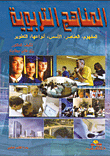
The Educational Curriculum From An Islamic Perspective

Account upgrade
The download is free, but we offer some paid services. Support us by subscribing
Delete ads and speed up browsing the library.
The download starts with the click of a button without waiting for the book to be ready.
No limits for download times.
You can upload unlimited books in the library.
Enable readers to download your books without waiting.
Delete ads on the books that you publish.
No problems with download links for your uploaded books.
Book The Educational Curriculum From An Islamic Perspective
Copyright reserved
The book cannot be previewed or downloaded in order to preserve the copyright of the author and publishing house
Not available digitally or on paper through the Noor Library, it is for rating and review

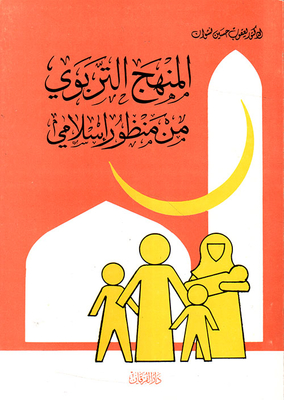

The Educational Curriculum From An Islamic Perspective
| Author: | Yaqoub Hussein Nashwan |
| Category: | Educational Literature Translated [Edit] |
| Language: | Arabic |
| Publisher: | دار الفرقان للنشر والتوزيع |
| Release Date: | 01 Jan 2013 |
| Pages: | 383 |
| Rank: | 212,182 No 1 most popular |
| Short link: | Copy |
| More books like this book | |
Book Description
يعتبر المنهج التربوي أداة التربية ووسيلتها لتحقيق أهدافها، ولذلك بدأ الاهتمام بالمناهج الدراسية كعلم منذ مطلع الثلاثينات من هذا القرن، وقد حرص التربويون في هذا السبيل على تطوير أطر فكرية أو نظريات تحكم عملية بناء المنهج تبنى على النظريات التربوية، فنظرية المنهج إنعكاس لنظرية التربية السائدة في المجتمع لأن المنهج بإعتباره نظام فرعي من أنظمة التربية.
ولما كان المنهج إنعكاساً للنظرية التربوية السائدة في المجتمع، وحيث أن المجتمع المسلم يعتمد في تربية أبنائه على مبادئ التربية الاسلامية فإن المنهج التربوي من منظور إسلامي يعتمد على الإطار الفكري التربوي الإسلامي (نظرية التربية الاسلامية)، ويتكون في الوقت ذاته من الأهداف، والمحتوى، والخبرات التعليمية التعلمية، والتقويم. فكل عنصر من هذه العناصر لا بد أن يكون إنعكاساً للفكر التربوي الإسلامي، وهذا هو الهدف الأساسي من هذا الكتاب. فلقد سعى الكاتب الى الاستفادة من مصدرين رئيسيين هما: الشريعة الإسلامية، والإتجاهات الحديثة في بناء المناهج الدراسية. ولبلوغ ذلك تناول هذا الكتاب في فصوله السبعة المفهوم التقليدي والمفهوم الحديث للمنهج، وأكد على المنظور الإسلامي للمنهج.
ففي الفصل الأول من الكتاب تناول المؤلف مفهوم المنهج التقليدي والحديث،
في الفصل الثاني استعرض الكاتب نظريات المنهج، وقد إستلزم ذلك مناقشة النظريات التربوية،
في الفصل الثالث من هذا الكتاب قدم الكاتب عرضاً مفصلاً لمكونات المنهج من أهداف ومحتوى وخبرات تعليمية وتقويم،
أما الفصلين الرابع والخامس فقد تناول المنهج التربوي الاسلامي، ففي الفصل الرابع تم التأكير على أسس المنهج التربوي الاسلامي، واستعراض مكوناته الأربعة من منظور اسلامي، وجاء الفصل الخامس متمماً للفصل الرابع وذلك من خلال تناول عمليتي التعليم والتعلم في التربية الاسلامية،
ولما كان تقييم المنهج وتنظيمه من الأمور البالغة الأهمية لطلبة المناهج وشخصيتها فقد جاء الفصل السادس ليناقش تصميم المنهج.
وفي الفصل السابع من الكتاب تناول الكاتب تقويم المنهج ونماذج التقويم المختلفة، وقد قدم الكاتب إطاراً فكرياً لجوانب تقويم المنهج، والمعايير الواجب توافرها في المنهج كأسس لتقويم المنهج، ولتحقيق الغاية من هذا الفصل، فقد تناول الكاتب أدوات التقويم وأساليبه.

Copyright reserved
The book cannot be previewed or downloaded in order to preserve the copyright of the author and publishing house
Not available digitally or on paper through the Noor Library, it is for rating and review
Share the book :
Book Review "The Educational Curriculum From An Islamic Perspective"

Book Quotes "The Educational Curriculum From An Islamic Perspective"

Other books like "The Educational Curriculum From An Islamic Perspective"


If there is a problem with the book, please report through one of the following links:
Report the book or by Contact us
E-books are complementary and supportive of paper books and never cancel it. With the click of a button, the e-book reaches anyone, anywhere in the world.
E-books may weaken your eyesight due to the glare of the screen. Support the book publisher by purchasing his original paper book. If you can access it and get it, do not hesitate to buy it.
Publish your book now for free