Islamic Educational Thought

Account upgrade
The download is free, but we offer some paid services. Support us by subscribing
Delete ads and speed up browsing the library.
The download starts with the click of a button without waiting for the book to be ready.
No limits for download times.
You can upload unlimited books in the library.
Enable readers to download your books without waiting.
Delete ads on the books that you publish.
No problems with download links for your uploaded books.
Book Islamic Educational Thought
Copyright reserved
The book cannot be previewed or downloaded in order to preserve the copyright of the author and publishing house
Not available digitally or on paper through the Noor Library, it is for rating and review

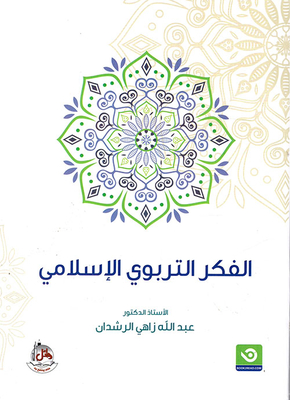

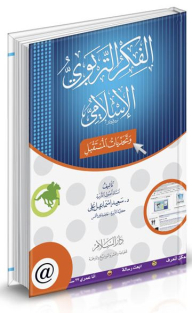
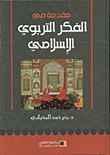
Islamic Educational Thought
| Author: | Abd Allah Zahi AlRashdan |
| Category: | Educational Thought [Edit] |
| Language: | Arabic |
| Publisher: | دار وائل للطباعة والنشر والتوزيع |
| ISBN: | 9789957114978 |
| Release Date: | 01 Jan 2019 |
| Pages: | 550 |
| Rank: | 200,174 No 1 most popular |
| Short link: | Copy |
| More books like this book | |
Book Description
مما لا شك فيه أن التربية على وجه العموم تشتمل على جانبين، أحدهما نظري مثالي والآخر واقعي تطبيقي ،وهكذا الحال في التربية الاسلامية العملية في ميدان التربية والتعليم ،أما الجانب النظري المثالي فهو الآراء أو النظريات والافكار التربوية التي قال بها الفلاسفة والمفكرون والمربون المسلمون والتي لم تأخذ طريقها إلى التطبيق وتشكل ما يسمى بالفكر التربوي الاسلامي. وفي اطار هذه الحدود فإننا نسعى إلى استعراض بعض جوانب هذا الفكر وتحليل رؤيته إزاء واقع الحياة الاجتماعية ، وإبراز مضامينه التربوية من وجهة نظر الباحث من ناحية،ووجهة نظر بعض المربين المسلمين من ناحية أخرى ، من خلال مجموعة من الفصول . يتناول الفصل الأول التصور الإسلامي للفكر التربوي من حيث ملامحه العامة وأصوله الفلسفية التي تتعلق بمفاهيم الإسلام عن الانسان والوجود والعقل والنفس والمعرفة وغير ذلك ،ومقارنتها بالفلسفات التربوية المعاصرة،ثم الأصول الاجتماعية وما يتعلق بمفهوم الجماعة والمجتمع وما شاع فيه من أحداث ،وإظهار العلاقة بين التربية على اختلاف أنواعها،والمجتمع بمؤسساته المختلفة، ويعالج الفصل الثاني مصادر الفكر التربوي الإسلامي الرئيسية وهي القرآن الكريم والسنة النبوية والإجماع، أما الفصل الثالث فيعالج خصائص الفكر التربوي الاسلامي البارزة كالربانية والثبات والشمول والتوازن والايجابية ،الوظيفة، أما الفصل الرابع فيبحث في تطور الفكر التربوية الاسلامي ومراحله المختلفة التي مر بها ،وهي مرحلة البناء ومرحلة العصر الذهني ومرحلة التدهور والانحطاط ومرحلة التجديد وإعادة البناء، ويعالج الفصل الخامس المدارس الفكرية التربوية كالمدرسة الفقهية ،والمدرسة الصوفية،ومدرسة علماء الكلام ،والمدرسة الأشعرية ، والمدرسة الفلسفية، كما يعالج الفصل السادس موقف الفكر التربوي الاسلامي من بعض القضايا المعاصرة التالية: ديموقراطية التعليم وتكافؤ الفرص التعليمية،والنظرة الاقتصادية للتعليم،والتربيةو تحرير الانسان،والتربيةوالتحديث،والمدارس المفتوحة،وقومية التربية وعالميتها، أما الفصول الستة التالية فتتناول بالدراسة والتحليل الفكر التربوي الإسلامي عند علماء المسلمين في القرون الثالث والرابع والخامس والسادس والثامن والتاسع.

Copyright reserved
The book cannot be previewed or downloaded in order to preserve the copyright of the author and publishing house
Not available digitally or on paper through the Noor Library, it is for rating and review
Share the book :
Book Review "Islamic Educational Thought"


Other books like "Islamic Educational Thought"




Other books for "Abd Allah Zahi AlRashdan"

If there is a problem with the book, please report through one of the following links:
Report the book or by Contact us
E-books are complementary and supportive of paper books and never cancel it. With the click of a button, the e-book reaches anyone, anywhere in the world.
E-books may weaken your eyesight due to the glare of the screen. Support the book publisher by purchasing his original paper book. If you can access it and get it, do not hesitate to buy it.
Publish your book now for free