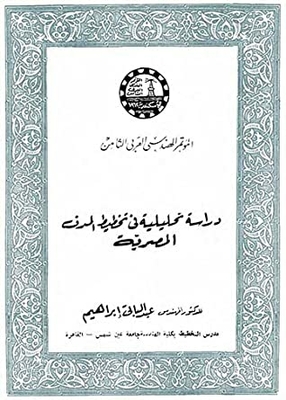
A Comparative Study Of The Planning Methods Of The Seljuk And Egyptian Mosques Until The End Of The Mamluk Era

Account upgrade
The download is free, but we offer some paid services. Support us by subscribing
Delete ads and speed up browsing the library.
The download starts with the click of a button without waiting for the book to be ready.
No limits for download times.
You can upload unlimited books in the library.
Enable readers to download your books without waiting.
Delete ads on the books that you publish.
No problems with download links for your uploaded books.
Book A Comparative Study Of The Planning Methods Of The Seljuk And Egyptian Mosques Until The End Of The Mamluk Era
Copyright reserved
The book cannot be previewed or downloaded in order to preserve the copyright of the author and publishing house
Not available digitally or on paper through the Noor Library, it is for rating and review

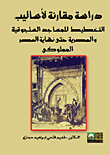

A Comparative Study Of The Planning Methods Of The Seljuk And Egyptian Mosques Until The End Of The Mamluk Era
| Author: | Fahim Fathi Ibrahim Hijazi |
| Category: | Seljuk State [Edit] |
| Language: | Arabic |
| Publisher: | المكتب العربي للمعارف |
| ISBN: | 9789772767113 |
| Release Date: | 01 Jan 2014 |
| Pages: | 734 |
| Rank: | 489,916 No 1 most popular |
| Short link: | Copy |
| More books like this book | |
Book Description
قال ابن سيده: "المسجد الموضع الذي يسجد فيه"، وقال الزجاج: "كل موضع يتعبد فيه فهو مسجد"، حيث قال رسولنا الكريم صلى الله عليه وسلم "جعلت لي الأرض مسجدًا وطهورًا" كانت البداية الأولى لتخطيط المساجد في مسجد الرسول صلى الله عليه وسلم بالمدينة في المكان الذي بركت فيه ناقته، والذي كان ذا أسلوب بسيط في تخطيطه، فإنه من الملاحظ أن هذا التخطيط لم يبق على ما كان عليه وقت إنشائه في عهد النبي صلى الله عليه وسلم، وأيضًا في عهد الخلفاء الراشدين، إذ أخذ تخطيط الجامع يتطور ويساير ركب الحضارة الإسلامية. ثم وجدت تخطيطات أخرى ظهرت بجانب هذا التخطيط. وذلك لضرورة اقتضتها ظروف الدولة الجديدة، والشعوب ذات الحضارات المتقدمة التي دخلت في الإسلام، أو بسبب عوامل المناخ وتأثيرها على المنشآت المعمارية ومنها المساجد. ومن ثم تنوعت طرز المساجد وإن كانت متأثرة في مجموعها "بالطراز التقليدي"، ولكن أُدخلت عليه تعديلات تناسب عصر إنشائها والظروف المناخية والسياسية والاقتصادية والدينية وعوامل البيئة المحلية، وكذلك لتناسب تطور الوظائف التي تؤديها. والتي شكلت الملامح المعمارية الرئيسية لهذه المساجد بهذه البلاد، ويمكن اعتبارها انعكاسًا مباشرًا لأسلوب إنشائها واتصل بذلك اتباع أساليب وطرق إنشائية معينة تناسب كل منها ظروف إنشاء هذا المبنى أو ذاك وعمارة هذا العصر أو ذاك. وأثرت أساليب الإنشاء ومواده أحيانًا تأثيرًا واضحًا في تصميم هذه المساجد أو غيرها من المنشآت المعمارية، وكذلك ارتبط ذلك بالظروف والعوامل الاجتماعية لحياة المجتمع بوجه عام. ومن ثم تطورت أساليب تخطيط المساجد تطورًا ساير تطور وتغير وظائفها التي أنشئت من أجلها. ومن هنا ظهرت المساجد السلجوقية التي رغم تشابهها مع المساجد المصرية في بعض العناصر إلا أنه يوجد اختلاف جوهري في أساليب التخطيط لكل منهما.

Copyright reserved
The book cannot be previewed or downloaded in order to preserve the copyright of the author and publishing house
Not available digitally or on paper through the Noor Library, it is for rating and review
Share the book :
Book Review "A Comparative Study Of The Planning Methods Of The Seljuk And Egyptian Mosques Until The End Of The Mamluk Era"

Book Quotes "A Comparative Study Of The Planning Methods Of The Seljuk And Egyptian Mosques Until The End Of The Mamluk Era"

Other books like "A Comparative Study Of The Planning Methods Of The Seljuk And Egyptian Mosques Until The End Of The Mamluk Era"





If there is a problem with the book, please report through one of the following links:
Report the book or by Contact us
E-books are complementary and supportive of paper books and never cancel it. With the click of a button, the e-book reaches anyone, anywhere in the world.
E-books may weaken your eyesight due to the glare of the screen. Support the book publisher by purchasing his original paper book. If you can access it and get it, do not hesitate to buy it.
Publish your book now for free