Arabic Language Curricula And Methods Of Teaching Between Theory And Practice

Account upgrade
The download is free, but we offer some paid services. Support us by subscribing
Delete ads and speed up browsing the library.
The download starts with the click of a button without waiting for the book to be ready.
No limits for download times.
You can upload unlimited books in the library.
Enable readers to download your books without waiting.
Delete ads on the books that you publish.
No problems with download links for your uploaded books.
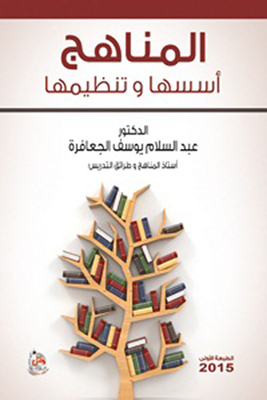
Book Arabic Language Curricula And Methods Of Teaching Between Theory And Practice
Copyright reserved
The book cannot be previewed or downloaded in order to preserve the copyright of the author and publishing house
Not available digitally or on paper through the Noor Library, it is for rating and review



Arabic Language Curricula And Methods Of Teaching Between Theory And Practice
| Author: | Abd AlSalam Youssef AlJaafara |
| Category: | Educational Sciences [Edit] |
| Language: | Arabic |
| Publisher: | مكتبة المجتمع العربي للنشر والتوزيع |
| ISBN: | 9789957525019 |
| Release Date: | 01 Jan 2011 |
| Pages: | 421 |
| Rank: | 216,645 No 1 most popular |
| Short link: | Copy |
| More books like this book | |
Book Description
لا شك أن المناهج المدرسية من أهم مكونات النظام التربوي لأي مجتمع بشري، فعليها تعتمد المؤسسات التربوية في بلوغ أهداف المجتمع وتحقيق طموحاته، وما دامت المجتمعات تتغير وتتطور فلا بد للمناهج المدرسية من أن تتغير وتتطور، بشكل يؤهلها لمواكبة الإنفجار المعرفي وسرعة الإتصالات.
لهذا جاء هذا الكتاب، ليكون مرجعاً بين يدي الطلبة الذين يدرسون هذه المادة في الجامعة، وكذلك لمن سيدرسون مادة اللغة العربية بعد تخرجهم، وقد تم تقسيمه في أربعة عشر فصلاً على النحو الآتي: تناول الفصل الأول: التطور التاريخي لمفهوم المنهاج، وتعريفاته المختلفة، وأنواعه وتحديات المستقبل التي تواجهه، وأما الفصل الثاني فقد تناول ماهية تخطيط المنهاج المدرسي، ومبرراته، ونماذجه، وفوائده، وخطواته، وتقسيماته الأكثر شيوعاً، ومبادئه.
وقد تطرق الفصل الثالث إلى ماهية تطوير المنهاج المدرسي، ومبادئ التطوير، ومعاييرها، والأمور التي يجب مراعاتها، ومبررات التطوير، وأشكالها، ومعيقاته، وأما الفصل الرابع فقد تضمن المقصود بتنفيذ المنهاج، وأهداف التنفيذ، ومكونات عملية التنفيذ، وفي حين جاء الفصل الخامس ليتحدث عن تقويم المنهاج، والمقصود بتقويمه، ونماذج تقويمه، ومنطلقات التقويم، ومعايير التقويم، وأشكال التقويم، وأنواع التقويم حسب الزمن.
وبينما تضمن الفصل السادس بناء المنهاج، وأسس بنائه الأربعة: الفلسفي، والإجتماعي، والنفسي، والمعرفي، وأما الفصل السابع فقد اشتمل على عناصر المنهاج، النتاجات (الأهداف)، المحتوى، الوسائل والأساليب والأنشطة، والتقويم، وبينما الفصل الثامن فقد تناول تنظيمات المناهج المختلفة: منهاج المواد الدراسية، ومنهاج النشاط، والمنهاج المحوري.
وتناول الفصل العاشر اللغة من حيث؛ مفهومها وأهميتها، ومظاهرها ومكوناتها، ونظريات نشأتها، وخصائصها ووظائفها، وجاء الفصل الحادي عشر ليتحدث عن مهارات اللغة العربية: القراءة، وأما الفصل الثاني عشر فقد تحدث عن مهارة الإستماع، والفصل الثالث: تناول مهارة الكتاب، وأما الفصل الرابع عشر فقد تضمن الأناشيد والمحفوظات والتدريبات اللغوية، والوسائل التعليمية.

Copyright reserved
The book cannot be previewed or downloaded in order to preserve the copyright of the author and publishing house
Not available digitally or on paper through the Noor Library, it is for rating and review
Share the book :
Book Review "Arabic Language Curricula And Methods Of Teaching Between Theory And Practice"

Book Quotes "Arabic Language Curricula And Methods Of Teaching Between Theory And Practice"

Other books like "Arabic Language Curricula And Methods Of Teaching Between Theory And Practice"


Other books for "Abd AlSalam Youssef AlJaafara"

If there is a problem with the book, please report through one of the following links:
Report the book or by Contact us
E-books are complementary and supportive of paper books and never cancel it. With the click of a button, the e-book reaches anyone, anywhere in the world.
E-books may weaken your eyesight due to the glare of the screen. Support the book publisher by purchasing his original paper book. If you can access it and get it, do not hesitate to buy it.
Publish your book now for free