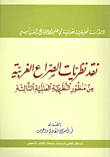
Critique Of Orbit Theory; Redrawing The Map Of Western Theories On The Origins Of Islamic Law

Account upgrade
The download is free, but we offer some paid services. Support us by subscribing
Delete ads and speed up browsing the library.
The download starts with the click of a button without waiting for the book to be ready.
No limits for download times.
You can upload unlimited books in the library.
Enable readers to download your books without waiting.
Delete ads on the books that you publish.
No problems with download links for your uploaded books.
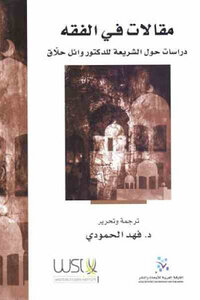
Book Critique Of Orbit Theory Redrawing The Map Of Western Theories On The Origins Of Islamic Law
Copyright reserved
The book cannot be previewed or downloaded in order to preserve the copyright of the author and publishing house
Not available digitally or on paper through the Noor Library, it is for rating and review



Critique Of Orbit Theory; Redrawing The Map Of Western Theories On The Origins Of Islamic Law
| Author: | Fahad AlHamoudi |
| Category: | Western Culture [Edit] |
| Language: | Arabic |
| Publisher: | الشبكة العربية للأبحاث والنشر |
| ISBN: | 9786144310564 |
| Release Date: | 03 Apr 2014 |
| Pages: | 190 |
| Rank: | 579,569 No 1 most popular |
| Short link: | Copy |
| More books like this book | |
Book Description
نظرية مدار الإسناد التي أطلقها جوزف شاخت ولاقت من بعده قبولاً واسع النطاق في دوائر البحث العلمي الغربي المعاصر تزعم أن أئمة الحديث وضعوا أحاديث نبوية ونشروها بين الرواة عن علم ولمقاصد لديهم ثم دعموها بأسانيد اختلقوها. جي يونبل، ومايكل كوك وآخرون من أتباع شاخت الذين أطلقت عليهم الشاختيون تبنوا تبعاً لشاخت نظرية المدار وزادوها إيضاحاً. هذا الكتاب يناقش صحة أصول نظريات شاخت.
يتتبع الفصل الأول ويحقق في كيفية تكوّن وظهور نظرية المدار، موضحاً علاقة هذه النظرية ببقية نظريات شاخت. والفصل الثاني يستطلع المواقف تجاه نظرية المدار مبيّناً أن الذين أيدوا النظرية لم يزيدوا على أحد أمرين؛ فإما أنهم توسعوا في محاولة إثباتها، وإما أنهم توسعوا في تطبيقها على فروع أخرى من علوم الدراسات الإسىلامية. يقدم الفصل الثالث أوجهاً عديدة لنقد أدلة نظرية المدار سواء تلك التي قدمها شاخت أو يونبل، وهذا النقد لا يظهر ضعف أدلة إثبات النظرية فحسب، بل يستدل بالأدلة ذاتها لإثبات بطلان النظرية. وهنالك مسلكان نقديان آخران تضمنهما الفصل الرابع: أول هذين المسلكين يقوم على تقصي المصطلحات والقواعد المنهجية التي قررها المحدثون مقدماً بديلاً عملياً لفرضيات شاخت المغلوطة. المسلك الثاني يوضخ أخطاء شاخت المنهجية من خلال ذكر مجموعة من الإنتقادات التي جمعتها أو ذكرها العلماء الذين نقدوا شاخت ونظرياته. الفصل الأخير يبيّن كيف أن نظريات شاخت الأخرى تتهاوى تبعاً لنقض نظرية المدار. وللترابط الوثيق بين نظريات شاخت المتعددة حول الحديث النبوي والتشريع الإسلامي فإن نتائج هذا الكتاب لن ترد على الآثار البينة لنظرية المدار على الحديث النبوي والتشريع الإسلامي فحسب بل ستفتح الباب للعلماء أن يضعوا محل السؤال والنقاش نظريات أخرى مهمة تبناها شاخت وأتباعه تتعلق بتاريخ التشريع الإسلامي.

Copyright reserved
The book cannot be previewed or downloaded in order to preserve the copyright of the author and publishing house
Not available digitally or on paper through the Noor Library, it is for rating and review
Share the book :
Book Review "Critique Of Orbit Theory; Redrawing The Map Of Western Theories On The Origins Of Islamic Law"

Book Quotes "Critique Of Orbit Theory; Redrawing The Map Of Western Theories On The Origins Of Islamic Law"

Other books like "Critique Of Orbit Theory; Redrawing The Map Of Western Theories On The Origins Of Islamic Law"









Other books for "Fahad AlHamoudi"

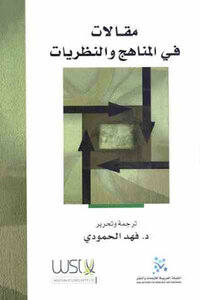

If there is a problem with the book, please report through one of the following links:
Report the book or by Contact us
E-books are complementary and supportive of paper books and never cancel it. With the click of a button, the e-book reaches anyone, anywhere in the world.
E-books may weaken your eyesight due to the glare of the screen. Support the book publisher by purchasing his original paper book. If you can access it and get it, do not hesitate to buy it.
Publish your book now for free