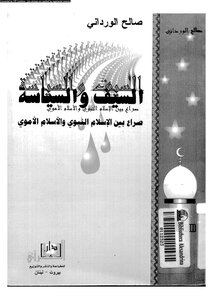
The Sword And Politics - Sunni Islam Or Shiite Islam?

Account upgrade
The download is free, but we offer some paid services. Support us by subscribing
Delete ads and speed up browsing the library.
The download starts with the click of a button without waiting for the book to be ready.
No limits for download times.
You can upload unlimited books in the library.
Enable readers to download your books without waiting.
Delete ads on the books that you publish.
No problems with download links for your uploaded books.
Book The Sword And Politics Sunni Islam Or Shiite Islam
Copyright reserved
The book cannot be previewed or downloaded in order to preserve the copyright of the author and publishing house
Not available digitally or on paper through the Noor Library, it is for rating and review

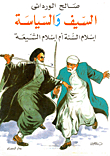

The Sword And Politics - Sunni Islam Or Shiite Islam?
| Author: | Saleh AlWardani |
| Category: | Reply To Shia [Edit] |
| Language: | Arabic |
| Publisher: | دار الحسام |
| Release Date: | 01 Jan 1996 |
| Pages: | 208 |
| Rank: | 361,304 No 1 most popular |
| Short link: | Copy |
| More books like this book | |
Book Description
في هذا الكتاب يحاول الأستاذ "صالح الورداني" إعادة قراءة التاريخ الإسلامي وفق رؤية جديدة تأخذ حركة التاريخ بعين الاعتبار يكون فيها البحث في وقائع التاريخ ذو دلالة على ما يعايشه المسلمون في واقعهم، وكذلك انعكاساتها على الفكر الإسلامي بصورة عامة. وهنا يقول "لقد استمر المسلمون منذ وفاة الرسول "صلى الله عليه وسلم" وحتى اليوم يرصدون حركة التاريخ بعين واحدة هي عين القداسة دون أن ينظروا إليها بعين النقد (...) وأن ما يجب أن يدركه الذين يتصدون لأمر الدعوة والتوجيه في الميدان الإسلامي أن فقه حركة التاريخ مقدمة ضرورية لفقه الإسلام. وأن فقه الماضى مقدمة لفقه الحاضر..".
يبين الكاتب في متن كتابه كيف تر بعد وفاة الرسول "صلى الله عليه وسلم" خطان في منهجية الحكم والاختلاف حول قيادة الدولة الإسلامية والفرق بين منهج السنة والجماعة، ومنهج آل البيت في رؤيتهم لفكرة الدولة والحكم والتيارات الإسلامية التي برزت بعد ذلك وكيف تمت سيادة الخط الأموي، ومدى انعكاسات هذا الخط على واقع المسلمين وعلى الفكر الإسلامي عامة، وهو الكاتب لا يقصد من وراء ذلك الطعن برموز معينة هي محل قداسة المسلمين ولكن "الهدف هو وضع النصوص فوق الرجال ثم وزن هؤلاء الرجال على ضوء هذه النصوص".
إن "الورداني" يعتبر أن هذا التاريخ الذي بين أيدينا هو تاريخ المسلمين وليس تاريخ الإسلام والفرق كبير وشاسع بين تاريخ الإسلام وتاريخ المسلمين. فتاريخ الإسلام هو كتاب الله، وتاريخ المسلمين ما دون ذلك مما يخضع للبحث والأخذ للرد.. وعلى ضوء كتاب الله يجب أن يدرس تاريخ الإسلام.
وللإحاطة بموضوع الدراسة أكثر يقف الكاتب عند محطات هامة وردت بين هذا الكتاب، المحطة الأولى: تبدأ منذ وفاة الرسول وخطبة الوداع، أما المحطة الثانية: ما جرى في السقيفة وموقف الإمام علي، أما المحطة الثالثة: فيسلط فيها الأضواء على خلافة عمر بن الخطاب، أما المحطة الرابعة خلافة عثمان بن عفان، وتأتي المحطة الخامسة حول خلافة الإمام علي، ثم شخصية معاوية والمواجهة ومعركة الجمل وصفين وصولاً إلى كربلاء، بعد ذلك يناقش الكاتب "ركائز الإسلام النبوي" ثم "ركائز الإسلام الأموي"، وصولأً إلى المحطة الأخيرة في الكتاب وهي "انعكاسات الإسلام الأموى" على الدولة الإسلامية والفكر الإسلامي وكذلك التيارات الإسلامية.

Copyright reserved
The book cannot be previewed or downloaded in order to preserve the copyright of the author and publishing house
Not available digitally or on paper through the Noor Library, it is for rating and review
Share the book :
Book Review "The Sword And Politics - Sunni Islam Or Shiite Islam?"

Book Quotes "The Sword And Politics - Sunni Islam Or Shiite Islam?"

Other books like "The Sword And Politics - Sunni Islam Or Shiite Islam?"


Other books for "Saleh AlWardani"


If there is a problem with the book, please report through one of the following links:
Report the book or by Contact us
E-books are complementary and supportive of paper books and never cancel it. With the click of a button, the e-book reaches anyone, anywhere in the world.
E-books may weaken your eyesight due to the glare of the screen. Support the book publisher by purchasing his original paper book. If you can access it and get it, do not hesitate to buy it.
Publish your book now for free