Arab Poetry Crowd

Account upgrade
The download is free, but we offer some paid services. Support us by subscribing
Delete ads and speed up browsing the library.
The download starts with the click of a button without waiting for the book to be ready.
No limits for download times.
You can upload unlimited books in the library.
Enable readers to download your books without waiting.
Delete ads on the books that you publish.
No problems with download links for your uploaded books.
Book Arab Poetry Crowd
Copyright reserved
The book cannot be previewed or downloaded in order to preserve the copyright of the author and publishing house
Not available digitally or on paper through the Noor Library, it is for rating and review



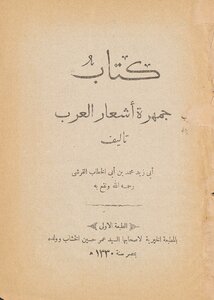
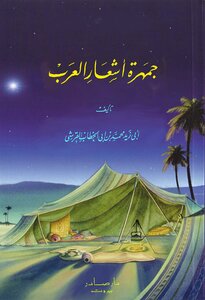
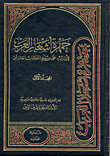
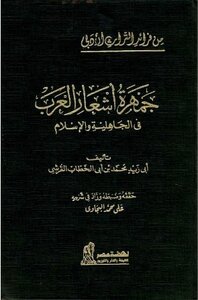
Arab Poetry Crowd
| Author: | Abu Zaid Muhammad Bin AlKhattab AlQurashi |
| Category: | African Literature Translated [Edit] |
| Language: | Arabic |
| Publisher: | دار بيروت للطباعة والنشر السلسلة: ديوان العرب |
| Release Date: | 01 Jan 1980 |
| Pages: | 366 |
| Rank: | 326,864 No 1 most popular |
| Short link: | Copy |
| More books like this book | |
Book Description
مصنف هذا الكتاب هو محمد بن أبي الخطاب القرشي، وكنيته أبو زيد، هذا كل ما يُعرف عنه لأنه لم يوقف له على ترجمة. وقد ذكره جرجي زيدان في كتابه "تاريخ آداب اللغة العربية" فجعله من رجال القرن الثالث الهجري؛ وذكره سليمان البستاني في مقدمة الإلياذة، وجعل وفاته في سنة 170 هجرية، أي أواسط العصر العباسي الأول. ويرى بطرس البستاني في كتابه "أدباء العرب في الأعصر العباسية" أن أبا زيد من أهل العصر العباسي الأول لا من أهل العصر العباسي الثاني ذاك لأنه "أورد في كتاب الجمهرة روايات سمعها من المفضل الطيبي، والمفضل الطيبي توفي سنة 171 هجرية، أو نحو ذلك، وهذا يدل على أنه عاصره".
وقد يكون لأبي زيد أثار غير كتابه "جمهرة أشعار العرب" الذي بين يدينا، والذي يحتوي على تسع وأربعين قصيدة لتسعة وأربعين شاعراً جعلهم في سبع طبقات كل طبقة سبعة شعراء معتمداً في تقسيمه هذا على أبي عبيدة والمفضل، وصدّره بمقدمة انتقادية يمكن تقسيمها إلى ثلاثة أقسام. قابل في القسم الأول منها بين لغة الشعر ولغة القرآن. وأظهر أن القرآن لم يأت العرب في شعرهم، وقصدوا به إلى المعنى الذي قصد إليه القرآن. وذكر في القسم الثاني أول من قال الشعر فروى أشعارا للملائكة وآدم وإبليس والعمالقة وعاد وثمود والجن، ثم انتقل إلى رأي النبي وأصحابه في الشعر فذكر أن النبي كان يسمعه ويجيز عليه. وخص القسم الثالث بتعيين طبقات الشعراء وذكر أسمائهم وأورد طرفا من أخبارهم وأقوال العلماء فيهم. وقد كان لهذا الكتاب تأثير كبير لما فيه من نقد الشعر والمقابلة بين لغته ولغة القرآن وأقوال الأدباء في الشعر والشعراء. ولولا ما أورده صاحبه في مقدمته من الأساطير والخرافات، فجعل الملائكة وآدم وإبليس والجن ينطقون بالشعر العربي، لكان لمقدمته قيمة عظيمة لأنه نحا فيها في النقد الأدبي منحى لم يكن معروفا قبله. على أنه في نقده الشعر أورد أقوال غيره واستند إليها دون أن يعللها، أو يرتبها أو يردها الى مبادئ عالية ويستخلص منها حكما خاصا ونظرية شخصية شأن النقاد في أيامنا هذه.

Copyright reserved
The book cannot be previewed or downloaded in order to preserve the copyright of the author and publishing house
Not available digitally or on paper through the Noor Library, it is for rating and review
Share the book :



Other books like "Arab Poetry Crowd"






Other books for "Abu Zaid Muhammad Bin AlKhattab AlQurashi"
If there is a problem with the book, please report through one of the following links:
Report the book or by Contact us
E-books are complementary and supportive of paper books and never cancel it. With the click of a button, the e-book reaches anyone, anywhere in the world.
E-books may weaken your eyesight due to the glare of the screen. Support the book publisher by purchasing his original paper book. If you can access it and get it, do not hesitate to buy it.
Publish your book now for free