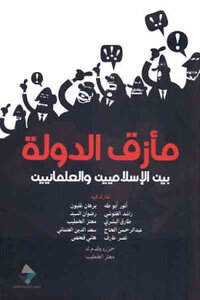
Outrageous Violence; Sharia Versus The Nation And The State

Account upgrade
The download is free, but we offer some paid services. Support us by subscribing
Delete ads and speed up browsing the library.
The download starts with the click of a button without waiting for the book to be ready.
No limits for download times.
You can upload unlimited books in the library.
Enable readers to download your books without waiting.
Delete ads on the books that you publish.
No problems with download links for your uploaded books.
Book Outrageous Violence Sharia Versus The Nation And The State
Copyright reserved
The book cannot be previewed or downloaded in order to preserve the copyright of the author and publishing house
Not available digitally or on paper through the Noor Library, it is for rating and review



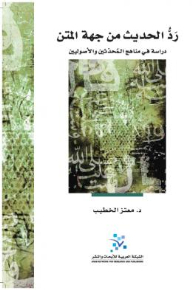
Outrageous Violence; Sharia Versus The Nation And The State
| Author: | Moataz AlKhatib |
| Category: | Islamic Sharia Provisions [Edit] |
| Language: | Arabic |
| Publisher: | الشبكة العربية للأبحاث والنشر |
| ISBN: | 12345678906 |
| Release Date: | 03 Nov 2016 |
| Pages: | 287 |
| Rank: | 323,285 No 1 most popular |
| Short link: | Copy |
| More books like this book | |
Book Description
يعالج هذا الكتاب موضوع العنف الذي شكّل محورَ السياسات والنقاشات حول منطقة الشرق الأوسط منذ أحداث الحادي عشر من سبتمبر 2001 وحتى الآن، وإذا كان تنظيمُ القاعدة عنوانَ المرحلة الاولى (ما قبل الثورات)، فإن تنظيم الدولة الإسلامية (داعش) هو العنوان الأبرز للمرحلة الثانية (ما بعد الثورات).
وقد أثارت داعش جدلاً واسعاً حول تحديد ماهيتها ونسَبها: هل هي ظاهرة دينية أم سياسية؟، وحول تفسير عنفها الفائق، وهل هي وأسلافُها إستمرار للتقليد الفقهي ام خروج عليه؟ وما علاقتها بالنص وبالواقع والتأويل؟.
يجيب الكتاب على هذه الأسئلة كلها، ويوضح كيف تم "إستخدام" النص الفقهي لإستباحة الدماء، ويشرح البنية الفكرية لداعش أو الأصول الكلية والقضايا الرئيسة في تفكير التنظيم، وممّا تتشكل؟ وما علاقتها بما يسميه الكاتب "النظام الفقهي" الموروث؟ وأيهما أسبق في ذهن الجهاديّ: النص أم الواقع؟ وما هو موقع النص لدى حركات العنف هل تصدر عنه أم تعود إليه؟ وإن كانت تعود إلى النص فما طبيعة تلك العودة؟.
فالكتاب يعالج مسألة العنف بوصفها حالة عابرة أثارتها عوامل عدة، اي أن العنف غير تكويني في المجال الإسلامي، وذلك للرد على الأطروحات الجوهرانية: الدينية والثقافية، كما يوضح أن حركات العنف عامةً هي خروج على التقليد الذي تَأَزم في الأزمنة الحديثة فاختلّ نظام الفقه، ومن ثم فيه حركات تستلهم إرث ما قبل التقليد في إستجابتها للأزمنة الحديثة المتمثلة بالدولة.
فالفكرة الرئيسة التي يلح عليها الكتاب هي كيف تم تحويل الشريعة إلى أداة للخروج على الدولة القومية والأمة معاً، فإذا كانت الدول والأنظمة تركز على عنف الجماعات الجهادية لإستبقاء أو شرعنة عنفها وقمعها، فإن الجهاديين يركزون في المقابل على عنف الأنظمة وإنحرافها عن الشريعة لهدمها والخروج عليها، ويقع المجتمع ضحية هذين العنفين!...

Copyright reserved
The book cannot be previewed or downloaded in order to preserve the copyright of the author and publishing house
Not available digitally or on paper through the Noor Library, it is for rating and review
Share the book :
Book Review "Outrageous Violence; Sharia Versus The Nation And The State"

Book Quotes "Outrageous Violence; Sharia Versus The Nation And The State"

Other books like "Outrageous Violence; Sharia Versus The Nation And The State"








Other books for "Moataz AlKhatib"


If there is a problem with the book, please report through one of the following links:
Report the book or by Contact us
E-books are complementary and supportive of paper books and never cancel it. With the click of a button, the e-book reaches anyone, anywhere in the world.
E-books may weaken your eyesight due to the glare of the screen. Support the book publisher by purchasing his original paper book. If you can access it and get it, do not hesitate to buy it.
Publish your book now for free