The First Letters `A Study In The History Of Writing`

Account upgrade
The download is free, but we offer some paid services. Support us by subscribing
Delete ads and speed up browsing the library.
The download starts with the click of a button without waiting for the book to be ready.
No limits for download times.
You can upload unlimited books in the library.
Enable readers to download your books without waiting.
Delete ads on the books that you publish.
No problems with download links for your uploaded books.
Book The First Letters A Study In The History Of Writing
Copyright reserved
The book cannot be previewed or downloaded in order to preserve the copyright of the author and publishing house
Not available digitally or on paper through the Noor Library, it is for rating and review


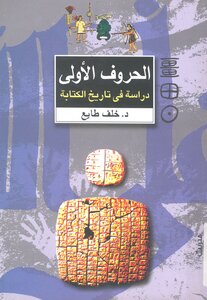
The First Letters `A Study In The History Of Writing`
| Author: | Khalaf Taya |
| Category: | First World War [Edit] |
| Language: | Arabic |
| Publisher: | ميريت للنشر والمعلومات |
| Release Date: | 01 Jan 2005 |
| Pages: | 227 |
| Rank: | 624,617 No 1 most popular |
| Short link: | Copy |
| More books like this book | |
Book Description
يتتبع الكاتب - في دراسته للحضارات المختلفة - العلاقة بين الكتابة ورموزها التصويرية، فيما تشير المقدمة إلى أن فكرة الكتابة لم تتبلور أساسا لدى شعوب هذه الحضارات إلا بعد تبلور فكرة العمل، وبعد استخدام الانسان للأدوات، واكتشافاته الأولى للنار والزراعة، ويتناول الفصل الأول ما قبل الكتابة، في حقب تاريخية وجغرافية مختلفة، ويرصد مراحل تطور الكتابة ابتداء بالمشافهة والرسم، مرورا بالحركات الإيمائية والحبال المعقودة، والفروض المنقوشة على عصى الرسائل، وخلال المرحلة الثانية للكتابة، يرصد المؤلف حدوث بعض الاقتراب بين الكتابة واللغة الشفهية، ولكنه اقتراب لا يعني أكثر من أي علامات كتابية أو مجموعة منها تشير وتدل على جملة من الكلمات دون أن تصل الى تحديد ذلك بدقة، أما المرحلة الثالثة فهي التي أصبحت فيها العلامة تعني كلمة، أما المرحلة الأخيرة، فشهدت اختصار الجمل الى كلمات، ليصبح عدد الأصوات أو العناصر الصوتية التي تحتويها الكلمات أقل من الكلمات ذاتها.
أما الفصل الثاني، فيتناول دور الرسم والتصوير في ظهور الكتابة، باعتبارهما سابقين على الكتابة نفسها في الظهور، حيث لا تكتسب الكتابة معناها الحقيقي إلا إذا توفر لها عنصران أساسيان، هما العنصر التشكيلي والعنصر الاتصالي، ويتناول المؤلف أنماط ونماذج الكتابة التركيبية والكتابة التحليلية، التي تعتمد على الكلمات المصورة. وفي الفصل الثالث، يتناول المؤلف تأثير الخامة والأسطح والوظيفة في رسم الخطوط، عبر استعراضه لألواح الطين السومرية، ثم الكتابة على أوراق البردي، وصناعته وتحويله إلى لفائف، ثم يتناول أدوات الكتابة، وينتقل المؤلف إلى الفصل الرابع، حيث يتناول تنظيم العلاقة بين الصورة والكتابة، بدءا بالآثار القديمة، ودور الكتب المصورة التي وصلت في شكل لفائف من البردي المصري، والتي ترجع إلى 1800 سنة قبل الميلاد، وكذلك الألواح الخشبية التي اكتشفت في الصين قبل 1380ـ 1400 قبل الميلاد، ثم ينتقل خلف طايع إلى تطور الطباعة الأوروبية، منذ انتقال أوروبا من العصور الوسطى إلى عصر النهضة، فيما يرصد انطلاقة الطباعة في الصين باستخدام القوالب الخشبية، وصولا إلى جوتنبرج الذي قدم المطبعة للبشرية.

Copyright reserved
The book cannot be previewed or downloaded in order to preserve the copyright of the author and publishing house
Not available digitally or on paper through the Noor Library, it is for rating and review
Share the book :
Book Review "The First Letters `A Study In The History Of Writing`"

Book Quotes "The First Letters `A Study In The History Of Writing`"

Other books like "The First Letters `A Study In The History Of Writing`"









If there is a problem with the book, please report through one of the following links:
Report the book or by Contact us
E-books are complementary and supportive of paper books and never cancel it. With the click of a button, the e-book reaches anyone, anywhere in the world.
E-books may weaken your eyesight due to the glare of the screen. Support the book publisher by purchasing his original paper book. If you can access it and get it, do not hesitate to buy it.
Publish your book now for free