Theories Of The Qur'anic Miracles

Account upgrade
The download is free, but we offer some paid services. Support us by subscribing
Delete ads and speed up browsing the library.
The download starts with the click of a button without waiting for the book to be ready.
No limits for download times.
You can upload unlimited books in the library.
Enable readers to download your books without waiting.
Delete ads on the books that you publish.
No problems with download links for your uploaded books.
Book Theories Of The Qur Anic Miracles
Copyright reserved
The book cannot be previewed or downloaded in order to preserve the copyright of the author and publishing house
Not available digitally or on paper through the Noor Library, it is for rating and review



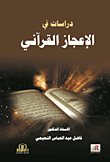
Theories Of The Qur'anic Miracles
| Author: | Ahmed Rahmani |
| Category: | Scientific Miracles In The Quran And Sunnah [Edit] |
| Language: | Arabic |
| Publisher: | مكتبة وهبة للطباعة والنشر |
| ISBN: | 9771952668 |
| Release Date: | 01 Jan 1998 |
| Pages: | 164 |
| Rank: | 443,214 No 1 most popular |
| Short link: | Copy |
| More books like this book | |
Book Description
نحن في الواقع نقدم في هذا البحث على أمر أشد خطورة من العمل الأدبي أو العلمي؛ لأننا لا نستهدف القيمة العلمية والجمالية لعمل بشري، وإنما نبحث في أسباب الإعجاز القرآني وأسراره الجمالية والعملية والتشريعية والتاريخية وغير ذلك. بل إننا نستهدف إبراز أهم النظريات التي تفسر الظاهرة الإعجازية، على أساس أن "النظرية تركيب عقلي مؤلف من تصورات منسقة تهدف إلى ربط النتائج بالمقدمات"، أو هى "تركيب عقلي واسع يهدف إلى تفسير عدد كبير من الظواهر، ويقبله أكثر العلماء في وقته من جهة ما هو فرضية قريبة من الحقيقة".
ولهذا السبب فإن طبيعة موضوع هذا البحث تتطلب مزيداً من الفقه بأسرار الدين ومقاصده وطرق التعبير عنه والبرهنة على صحته، وبعبارة مختصرة تتطلب الفهم الدقيق للقرآن مبنى ومعنى.
وتبرير التسمية: "نظريات البحث في إعجاز القرآن": هو الاسم الذي فضلناه عنواناً لهذا الكتاب؛ لأن المنحى الذي انتهجناه فيه يرتكز على فكرة النظريات ليبرزها كضرورة لبحث الإعجاز في صورته الجديدة ذات البعد الأصل؛ لما يتمتع به مصطلح النظرية من قدرة على شمولية النظرة واحتمال توافر إمكانية التفسير العلمي للظاهرة التي هى موضوع الدرس.
فقد اعتمدنا- إذن- أسلوب النظريات منهجاً للعمل للتحكم في الظاهرة بشكل أكثر علمية، ولكن لماذا جمعنا (نظريات) بدلاً من أن نكتفى بالإفراد (نظرية)؟ في الواقع جمعنا لأن القدماء أنفسهم قد لاحظوا أنه: "لا يمتنع أن يعلم إعجازه بطرق مختلفة تتوافى عليه وتجتمع فيه"، وقد تحققنا فعلاً- بعد تأمل عميق، وبعد تقليب النظر في الموضوع على كافة أوجهه- أن تفسير ظاهرة الإعجاز لا ينهض بها حق النهوض إلا تعدد النظريات.
وقد ترصد البحث خطوات القدماء والمحدثين بشكل عام وتفحصها ليبنى هذه النظريات فاستوى له منها خمس نظريات أساسية هي: "نظرية الإعجاز البلاغي، نظرية الإعجاز التاريخي، نظرية الإعجاز التشريعي، نظرية الإعجاز المعرفي والعلمي، نظرية الإعجاز التضافري".

Copyright reserved
The book cannot be previewed or downloaded in order to preserve the copyright of the author and publishing house
Not available digitally or on paper through the Noor Library, it is for rating and review
Share the book :
Book Review "Theories Of The Qur'anic Miracles"

Book Quotes "Theories Of The Qur'anic Miracles"

Other books like "Theories Of The Qur'anic Miracles"












Other books for "Ahmed Rahmani"




If there is a problem with the book, please report through one of the following links:
Report the book or by Contact us
E-books are complementary and supportive of paper books and never cancel it. With the click of a button, the e-book reaches anyone, anywhere in the world.
E-books may weaken your eyesight due to the glare of the screen. Support the book publisher by purchasing his original paper book. If you can access it and get it, do not hesitate to buy it.
Publish your book now for free