Infinitude in The Qur’an: A Rhetorical-Rational Approach to Qur’anic Exegesis

Account upgrade
The download is free, but we offer some paid services. Support us by subscribing
Delete ads and speed up browsing the library.
The download starts with the click of a button without waiting for the book to be ready.
No limits for download times.
You can upload unlimited books in the library.
Enable readers to download your books without waiting.
Delete ads on the books that you publish.
No problems with download links for your uploaded books.
Download Book Infinitude In The Qur An A Rhetorical Rational Approach To Qur Anic Exegesis Pdf
The publisher is the author
Previewing the book or downloading it for personal use only and any other powers should be obtained from the author of the book publisher



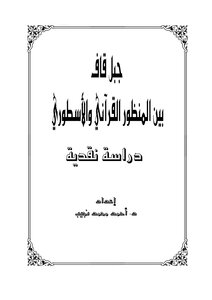
Infinitude In The Qur’an: A Rhetorical-Rational Approach To Qur’anic Exegesis
| Author: | د. أحمد محمد نجيب |
| Category: | Interpretation Of The Koran [Edit] |
| Language: | English |
| Pages: | 26 |
| File Size: | 4.89 MB |
| Extension: | |
| Creation Date: | 31 Dec 2025 |
| Rank: | 622,395 No 1 most popular |
| Short link: | Copy |
| More books like this book | |
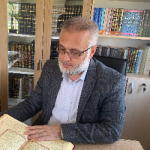
د. أحمد محمد
أستاذ مشارك في التفسير وعلوم القرآن
The Publisher and the author
Book Infinitude in The Qur’an: A Rhetorical-Rational Approach to Qur’anic Exegesis .
أستاذ التفسير وعلوم القرآن المشارك في كلية العلوم الإسلامية في تركيا
خادم للكتاب والسنة
Book Description
This study explores the concept of infinitude in the Qur’an from a rhetorical-rational perspective, emphasizing its significance for understanding the text and its theological and intellectual dimensions. Its importance lies in presenting, for the first time, an integrated treatment of infinitude within Qur’anic discourse, uncovering foundational aspects central to creed and offering exegetical implications that enrich both method and interpretation. The research problem arises from the absence of comprehensive studies that combine rhetorical analysis with rational reasoning in tafsīr, a gap that has sometimes led to literalist readings or interpretations seemingly at odds with Islamic theological principles. The study employs an inductive methodology by collecting relevant verses, examining them through tafsīr and Qur’anic sciences, and analysing them in dialogue with the views of exegetes and theologians to refine meanings and intentions. Based on this analysis, the findings reveal three contributions. First, six principal themes of infinitude in Allah’s attributes are identified: pre-eternity and everlastingness, comprehensiveness of knowledge, absoluteness of power, transcendence beyond limit and place, vastness of mercy, and the comprehensive negation of all forms of limitation. Second, the Qur’an presents infinitude across three dimensions: divine attributes, eschatological realities such as the eternity of Paradise and Hell, and the discourse of obligation that magnifies divine words, blessings, and warnings. Third, the study underscores the necessity of integrating rhetorical and rational methodologies. Reliance on literal wording alone risks anthropomorphism or contradiction, whereas combining rhetorical and rational analysis safeguards transcendence and clarifies intended meaning.


Share the book :
Book Review "Infinitude in The Qur’an: A Rhetorical-Rational Approach to Qur’anic Exegesis"

Book Quotes "Infinitude in The Qur’an: A Rhetorical-Rational Approach to Qur’anic Exegesis"

Other books like "Infinitude in The Qur’an: A Rhetorical-Rational Approach to Qur’anic Exegesis"






Other books for "د. أحمد محمد نجيب"


If there is a problem with the book, please report through one of the following links:
Report the book or by Contact us
E-books are complementary and supportive of paper books and never cancel it. With the click of a button, the e-book reaches anyone, anywhere in the world.
E-books may weaken your eyesight due to the glare of the screen. Support the book publisher by purchasing his original paper book. If you can access it and get it, do not hesitate to buy it.
Publish your book now for free