Commenting On The Texts Of The New Saudi Arbitration System; Comments On The New Saudi Law - Arbitration Law

Account upgrade
The download is free, but we offer some paid services. Support us by subscribing
Delete ads and speed up browsing the library.
The download starts with the click of a button without waiting for the book to be ready.
No limits for download times.
You can upload unlimited books in the library.
Enable readers to download your books without waiting.
Delete ads on the books that you publish.
No problems with download links for your uploaded books.
Book Commenting On The Texts Of The New Saudi Arbitration System Comments On The New Saudi Law Arbitration Law
Copyright reserved
The book cannot be previewed or downloaded in order to preserve the copyright of the author and publishing house
Not available digitally or on paper through the Noor Library, it is for rating and review

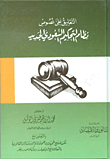

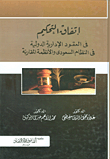
Commenting On The Texts Of The New Saudi Arbitration System; Comments On The New Saudi Law - Arbitration Law
| Author: | Muhammad Ibrahim Khairi AlWakeel |
| Category: | History Of The Saudi State [Edit] |
| Language: | English |
| Publisher: | مكتبة القانون والاقتصاد للنشر والتوزيع |
| ISBN: | 9786038146170 |
| Release Date: | 01 Jan 2014 |
| Pages: | 216 |
| Rank: | 429,181 No 1 most popular |
| Short link: | Copy |
| More books like this book | |
Book Description
يُعدَ التحكيم أقدم وسيلة عرفها الإنسان في فض المنازعات بجانب القضاء والصلح، وهو قديم قدم وجود الإنسان ولعل أقدم صوره كانت حين قام نزاع بين قابيل وهابيل، وكان الحل المقبول منهما هو الإحتكام إلى السماء.
والتحكيم قد يكون داخلياً أو دولياً، ويزداد الإلتجاء إلى التحكيم في العلاقات الدولية، ولعل ذلك يرجع إلى تفادي المشكلات العميقة التي يحدثها أعمال المنهجيات التقليدية للقانون الدولي الخاص والتي تعمل أمام القضاء بصفة غالبة، وقد أدت الصفة الدولية الغالبة للتحكيم بالدول إلى إبرام المعاهدات بشأن تفعيل نظام التحكيم على الصعيد الدولي.
بل إن لجنة القانون التجاري الدولي بالأمم المتحدة (الأونسيترال) قد وضعت قوانين نموذجية لكي تكون تحت بصر مشرعي ومنظمي الدول المختلفة عند وضعهم لقوانين وأنظمة التحكيم الوطنية.
وكان من بين الدول التي حرصت على ذلك، كنوع من المواءمة والسير مع البيئة القانونية الدولية، المملكة العربية السعودية.
فقد حرصت المملكة على التطوير القانوني والنظامي، فعمدت إلى تضمين التحكيم لأنظمتها، إنطلاقاً من مشروعيته في الإسلام، وكان أول نظام يتضمنه هو نظام المحكمة التجارية الصادر بالأمر العالي رقم (32) وتاريخ 1350/01/15هـ.
وقد صدر حديثاً نظام جديد للتحكيم السعودي بقرار مجلس الوزراء رقم 156 وتاريخ 1433/5/17هـ بالموافقة على نظام التحكيم، وتم تتويجه بالمرسوم الملكي رقم م/ 34 وتاريخ 1433/5/24هـ، وحل النظام الجديد محل النظام القديم الصادر بالمرسوم الملكي رقم (م/ 46) وتاريخ 1403/07/12هـ وذلك وفقاً للمادة (57) من النظام الجديد.
فقد تضمن هذا النظام الجديد ثماينة وخمسين مادة، في حين كانت مواد النظام القديم خمسة وعشرين مادة فقط، أي بما يزيد عن نظام التحكيم القديم بثلاثة وثلاثين مادة، بالإضافة إلى أنه عدل السواد الأعظم من المواد المنصوص عليها في النظام القديم، وهذا ما سوف يوضحه المؤلف من خلال هذا البحث، والذي يقوم فيه بالتعليق على نصوص هذا النظام الجديد، وذلك قبل صدور اللائحة التنفيذية.

Copyright reserved
The book cannot be previewed or downloaded in order to preserve the copyright of the author and publishing house
Not available digitally or on paper through the Noor Library, it is for rating and review
Share the book :
Book Review "Commenting On The Texts Of The New Saudi Arbitration System; Comments On The New Saudi Law - Arbitration Law"

Book Quotes "Commenting On The Texts Of The New Saudi Arbitration System; Comments On The New Saudi Law - Arbitration Law"

Other books like "Commenting On The Texts Of The New Saudi Arbitration System; Comments On The New Saudi Law - Arbitration Law"






Other books for "Muhammad Ibrahim Khairi AlWakeel"
If there is a problem with the book, please report through one of the following links:
Report the book or by Contact us
E-books are complementary and supportive of paper books and never cancel it. With the click of a button, the e-book reaches anyone, anywhere in the world.
E-books may weaken your eyesight due to the glare of the screen. Support the book publisher by purchasing his original paper book. If you can access it and get it, do not hesitate to buy it.
Publish your book now for free