Islam And Extreme Wealth; The Predicament Of The Islamic Economy

Account upgrade
The download is free, but we offer some paid services. Support us by subscribing
Delete ads and speed up browsing the library.
The download starts with the click of a button without waiting for the book to be ready.
No limits for download times.
You can upload unlimited books in the library.
Enable readers to download your books without waiting.
Delete ads on the books that you publish.
No problems with download links for your uploaded books.
Book Islam And Extreme Wealth The Predicament Of The Islamic Economy
Copyright reserved
The book cannot be previewed or downloaded in order to preserve the copyright of the author and publishing house
Not available digitally or on paper through the Noor Library, it is for rating and review

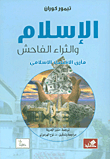

Islam And Extreme Wealth; The Predicament Of The Islamic Economy
| Author: | Taymur Koran |
| Category: | Arabic Islamic Literature [Edit] |
| Language: | Arabic |
| Publisher: | الأهلية للنشر والتوزيع |
| ISBN: | 9786589095033 |
| Release Date: | 16 Jul 2012 |
| Pages: | 303 |
| Rank: | 378,159 No 1 most popular |
| Short link: | Copy |
| More books like this book | |
Book Description
ساهمت أزمة الرهون العقارية والديون السيادية التي يتخبط فيها العالم، والربيع العربي الذي تعيش على وقعه هذه الأيام دول عربية عدة، في عودة "الإقتصاد الإسلامي" إلى واجهة النقاش، بإعتباره بديلاً إقتصادياً وحلاً وإكسيرا سحرياً - من وجهة نظر البعض - لإنقاذ العالم من ويلات ما يعيشه من أزمات.
لكن مقابل هذه الحماسة المبالغ فيها إتجاه "الإقتصاد الإسلامي"، يفاجئ المتتبع بإفتقار المكتبة العربية إلى أدبيات عقلانية أكاديمية، تحلل وتقيم تداعيات تطبيق هذا النوع من المقاربات على المجال الإقتصادي.
في هذا الإطار يأتي كتاب المفكر الإقتصادي التركي تيمور كوران، فمراسه الإقتصادي وخبرته في أكبر الجامعات والمعاهد الدولية وتمكنه من الأدبيات الإسلامية الأصيلة، يجعل كوران مؤهلاً أكثر من غيره لإماطة اللثام عن الآليات المؤسساتية المفسرة لركود البلدان العربية الإسلامية.
فبعد سنين من الدرس والتحليل والتمحيص، وإطلاع كبير على آخر الكتابات الإقتصادية الرزينة والأكاديمية، أنتج إثرها عشرات من الأبحاث الرصينة، وعدد من الكتب التي تدِّرس في كبرى الجامعات العالمية، يخلص المفكر الإقتصادي التركي بقوة تحليلية وإستدلالية معتمداً على معطيات تاريخية خالية من أحكام قيمية إلى ما مفاده أن بعض المؤسسات الإسلامية، كانت ولا تزال عقبة في طريق التطور الإقتصادي.
ومن أهمها: 1-قانون الوراثة الإسلامي الذي حال دون تراكم رؤوس الأموال، 2-فردانية القانون الإسلامي الصارمة وإفتقاره إلى مفهوم الشركة، مما أعاق التطور المؤسساتي، وأسهم في إبقاء المجتمع المدني ضعيفاً، 3-الوقف، الشكل الإسلامي المميز للوديعة، الذي حبس موارد جسيمة في مؤسسات أصبحت عاطلة أو مختلة وظيفياً مع مرور الزمن.
لم تكن لهذه المؤسسات - في نظر كوران - سلبيات أو أضرار إقتصادية لدى ظهورها، ولم تتسبب في تدهور مطلق للنشاط الإقتصادي، ولكن مكمن الخلل كونها تحولت تدريجياً إلى عقبات من خلال إستمراريتها لفترات زمنية طويلة، وعدم مواكبتها لتطور العصر وإكراهات واقع متغير، في حين لم يتوان الغرب عن الإنتقاد والتطوير والتجويد الدائم لمؤسساته الإقتصادية.

Copyright reserved
The book cannot be previewed or downloaded in order to preserve the copyright of the author and publishing house
Not available digitally or on paper through the Noor Library, it is for rating and review
Share the book :
Book Review "Islam And Extreme Wealth; The Predicament Of The Islamic Economy"

Book Quotes "Islam And Extreme Wealth; The Predicament Of The Islamic Economy"

Other books like "Islam And Extreme Wealth; The Predicament Of The Islamic Economy"








If there is a problem with the book, please report through one of the following links:
Report the book or by Contact us
E-books are complementary and supportive of paper books and never cancel it. With the click of a button, the e-book reaches anyone, anywhere in the world.
E-books may weaken your eyesight due to the glare of the screen. Support the book publisher by purchasing his original paper book. If you can access it and get it, do not hesitate to buy it.
Publish your book now for free