The Independence Of The Judge Between Immunity And Accountability `A Comparative Study Between Islamic Sharia And Man-made Laws`

Account upgrade
The download is free, but we offer some paid services. Support us by subscribing
Delete ads and speed up browsing the library.
The download starts with the click of a button without waiting for the book to be ready.
No limits for download times.
You can upload unlimited books in the library.
Enable readers to download your books without waiting.
Delete ads on the books that you publish.
No problems with download links for your uploaded books.
Book The Independence Of The Judge Between Immunity And Accountability A Comparative Study Between Islamic Sharia And Ma
Copyright reserved
The book cannot be previewed or downloaded in order to preserve the copyright of the author and publishing house
Not available digitally or on paper through the Noor Library, it is for rating and review

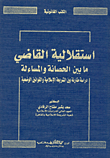

The Independence Of The Judge Between Immunity And Accountability `A Comparative Study Between Islamic Sharia And Man-made Laws`
| Author: | سعد بشير مفتاح الرفادي |
| Category: | Logical Positivism [Edit] |
| Language: | Arabic |
| Publisher: | منشأة المعارف السلسلة: الكتب القانونية |
| ISBN: | 9789770319311 |
| Release Date: | 16 Dec 2012 |
| Pages: | 354 |
| Rank: | 525,630 No 1 most popular |
| Short link: | Copy |
| More books like this book | |
Book Description
اعتمد القضاء الليبي كلياً على البعثات القضائية المصرية، ولكن بعد عودة البعثة القضائية المصرية إلى بلدها في ظروف تقديم استقالة جماعية، أصبح هناك فراغ كبير في الهيئة القضائية الليبية، وحاولت وزارة العدل معالجة الأمر بإصدار قرارات بترقيات استثنائية لسد الفراغ، إلا أن جهاز القضاء ظل مترنحاً؛ لعدم وجود العدد الكافي خاصة من المستشارين وقد لحق ذلك الأمر صدور بعض التشريعات بتشكيل محاكم شعبية، ومحاكم استثنائية مثل محكمة الشعب، والإدعاء الشعبي، وإعطاء قضاة وأعضاء هذه الهيئات مزايا مالية لم تعط لغيرهم في القضاء العادي؛ مما كان له بالغ الأثر في نفسية بعض القضاة وترديهم في الفصل وإضعاف نفوسهم وانحراف بعضهم، وقد زاد من ذلك كله صدور تشريع بإلغاء مهنة المحاماة الحرة، واستبدال المحاماة الشعبية بالمحاماة الحرة، وهذا الإجراء كان له أيضاً بالغ الأثر في وجود القاضي القادر الواثق؛ لأنه كما يقال لا يصبح القاضي مجتهداً إلا في ظل وجود محام مجتهد وبهذا تعثرت مسيرة القضاء في القطر الليبي، كل ذلك في ظل غياب الدستور للبلد، وعدم وجود دائرة دستورية بالمحكمة العليا، وقد ترك كثير من القضاء مناصبهم والإتجاه إلى مهنة المحاماة بعد رفع الحظر عنها، لذا رأيت أن أكتب أن هذا الموضوع؛ لأهميته البالغة ولأتقدم به كبحث للمكتبة القانونية الليبية. وقد اعتمدت في هذا البحث على المنهج المقارن، الذي يعتمد على مقارنة النظم ببعضها، من أجل إيضاح المزايا، والعيوب لذلك فأنه قد تم المقارنة بين السلطة القضائية في النظام الإسلامي، وبين النظم القانونية الأخرى الحديثة في مصر، وليبيا بهدف إظهار العظمة التي يتمتع بها القضاء من جانب، وإظهار بعض ما يتعلق بهذا الجهاز أيضاً من مثالب، وباعتباره سلطة من سلطات الدولة قديماً وحديثاً، وقد جرى تقسيمه إلى الفصول التالية: (الفصل التمهيدي: تعريف القضاء ودليل مشروعيته وشروط تولي القضاء، الفصل الأول: القضاء في الإسلام، الفصل الثاني: الحصانة والإستقلالية، الفصل الثالث: المساءلة، الفصل الرابع: القاضي العادي، الفصل الخامس: القاضي الدستوري).

Copyright reserved
The book cannot be previewed or downloaded in order to preserve the copyright of the author and publishing house
Not available digitally or on paper through the Noor Library, it is for rating and review
Share the book :
Book Review "The Independence Of The Judge Between Immunity And Accountability `A Comparative Study Between Islamic Sharia And Man-made Laws`"

Book Quotes "The Independence Of The Judge Between Immunity And Accountability `A Comparative Study Between Islamic Sharia And Man-made Laws`"

Other books like "The Independence Of The Judge Between Immunity And Accountability `A Comparative Study Between Islamic Sharia And Man-made Laws`"



If there is a problem with the book, please report through one of the following links:
Report the book or by Contact us
E-books are complementary and supportive of paper books and never cancel it. With the click of a button, the e-book reaches anyone, anywhere in the world.
E-books may weaken your eyesight due to the glare of the screen. Support the book publisher by purchasing his original paper book. If you can access it and get it, do not hesitate to buy it.
Publish your book now for free