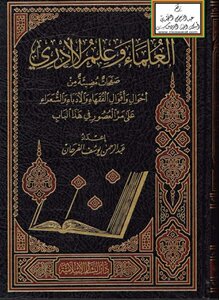
Scholars And I Don't Know Are Luminous Pages Of States And Sayings Of Jurists - Writers And Poets Throughout The Ages In This Chapter

Account upgrade
The download is free, but we offer some paid services. Support us by subscribing
Delete ads and speed up browsing the library.
The download starts with the click of a button without waiting for the book to be ready.
No limits for download times.
You can upload unlimited books in the library.
Enable readers to download your books without waiting.
Delete ads on the books that you publish.
No problems with download links for your uploaded books.
Book Scholars And I Don T Know Are Luminous Pages Of States And Sayings Of Jurists Writers And Poets Throughout The Ages
Copyright reserved
The book cannot be previewed or downloaded in order to preserve the copyright of the author and publishing house
Not available digitally or on paper through the Noor Library, it is for rating and review



Scholars And I Don't Know Are Luminous Pages Of States And Sayings Of Jurists - Writers And Poets Throughout The Ages In This Chapter
| Author: | Abd AlRahman Youssef AlFarhan |
| Category: | Greater Adria [Edit] |
| Language: | Arabic |
| Publisher: | دار البشائر الإسلامية |
| Release Date: | 18 Mar 2010 |
| Pages: | 527 |
| Rank: | 431,540 No 1 most popular |
| Short link: | Copy |
| More books like this book | |
Book Description
يأتي هذا الكتاب كصفحات مضيئة من أحوال وأقوال الفقهاء والأدباء والشعراء على مر العصور والأزمان حول مسألة هامة ذات أولوية في الدين الإسلامي وهي القرآن الكريم وعلم "لا أدري" فماذا تعني؟ لا أدري: هي القول على الله بغير علم وهي من المحرمات التي حزمن على ألسنة جميع الأنبياء، وحتى أنها إعتبرت تحريفاً وبدعاً في الدين. وبين دفتي هذا الكتاب يورد المحقق الأستاذ عبد الرحمن يوسف الفرحان قبسات مضيئة تؤكد حرمة الإفتاء بغير علم والقضاء. أما المادة التي إعتمد عليها فهي من القرآن الكريم وأقوال النبي صلى الله عليه وسلم والعلماء والفقهاء والأدباء والشعراء الذين كان لهم إسهاماً في هذا الحقل الهام. يقول الله تعالى: "قل إنما حرم ربى الفواحش ما ظهر منها وما بطن والإثم والبغي بغيرالحق وأن تشركوا بالله مالم ينزل به سلطاناً وأن تقولوا على الله ما لا تعلمون". يقول إبن قيم الجوزية في تفسيره: رتب الله المحرمات أربع مراتب، وبدأ بأسهلها وهو الفواحش، ثم ثنى بما هو أشد تحريماً منه وهو الإثم والظلم، ثم ثلث بما هو أعظم من ذلك وهو القول عليه بلا علم، وهذ يعم القول عليه سبحانه بلا علم في أسمائه وصفاته وأفعاله وفي دينه وشرعه". يقسم هذا الكتاب إلى إحدى عشر فصلاً جاء تحت العناوين التالية: الفصل الأول: القرآن الكريم وعلم "لا أدري". الفصل الثاني النبي محم صلى الله عليه وسلم وعلم "لا أدري". الفصل الثالث: الصحابة رضي الله عنهم وعلم "لا أدري". الفصل الرابع: التابعون رحمهم الله وعلم "لا أدري". الفصل الخامس: علماء المسلمين وعلم "لا أدري". الفصل السادس: علماء النحو واللغة وعلم "لا أدري". الفصل السابع: الشعراء وعلم "لا أدري". الفصل الثامن: حكماء العرب والعجم وأقوال في علم "لا أدري". الفصل التاسع: نوادر في علم "لا أدري". الفصل العاشر نصوص ممن عقد فصلاً في كتابه لعلم "لا أدري". الفصل الحادي عشر والأخير: تخريج قصيدة القاضي الجرجاني في نفسه وأهل العلم. كتاب هام نتعلم حين قراءته أنه لا ينبغي لأي منا أن يحرم شيئاً تحريماً دينياً على عباد الله أو يوجب عليهم شيئاً إلا بنص صريح من كتاب الله ونبيه صلى الله عليه وسلم.

Copyright reserved
The book cannot be previewed or downloaded in order to preserve the copyright of the author and publishing house
Not available digitally or on paper through the Noor Library, it is for rating and review
Share the book :
Book Review "Scholars And I Don't Know Are Luminous Pages Of States And Sayings Of Jurists - Writers And Poets Throughout The Ages In This Chapter"

Book Quotes "Scholars And I Don't Know Are Luminous Pages Of States And Sayings Of Jurists - Writers And Poets Throughout The Ages In This Chapter"

Other books like "Scholars And I Don't Know Are Luminous Pages Of States And Sayings Of Jurists - Writers And Poets Throughout The Ages In This Chapter"







Other books for "Abd AlRahman Youssef AlFarhan"



If there is a problem with the book, please report through one of the following links:
Report the book or by Contact us
E-books are complementary and supportive of paper books and never cancel it. With the click of a button, the e-book reaches anyone, anywhere in the world.
E-books may weaken your eyesight due to the glare of the screen. Support the book publisher by purchasing his original paper book. If you can access it and get it, do not hesitate to buy it.
Publish your book now for free