The Impact Of Faith In The Curriculum Of Islamic Art

Account upgrade
The download is free, but we offer some paid services. Support us by subscribing
Delete ads and speed up browsing the library.
The download starts with the click of a button without waiting for the book to be ready.
No limits for download times.
You can upload unlimited books in the library.
Enable readers to download your books without waiting.
Delete ads on the books that you publish.
No problems with download links for your uploaded books.
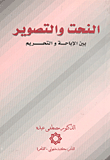
Book The Impact Of Faith In The Curriculum Of Islamic Art
Copyright reserved
The book cannot be previewed or downloaded in order to preserve the copyright of the author and publishing house
Not available digitally or on paper through the Noor Library, it is for rating and review

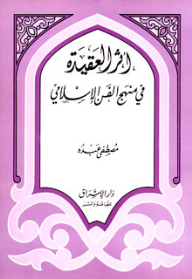

The Impact Of Faith In The Curriculum Of Islamic Art
| Author: | Mustafa Abdo |
| Category: | Islamic Faith [Edit] |
| Language: | Arabic |
| Publisher: | دار الإشراق للطباعة والنشر |
| Release Date: | 01 Jan 1990 |
| Pages: | 224 |
| Rank: | 501,343 No 1 most popular |
| Short link: | Copy |
| More books like this book | |
Book Description
الإسلام هو محرر الإنسان من قيود العبودية-فبالتوحيد تحرر الإنسان من استعباد الطاغوت-وانعتق بالعدل من أسر الاستغلال، وانطلق بالشورى من قيد الاستبداد، وبالإسلام تحرر الفن من السيطرة الكهنوتية، وبه تحققت إنسانية الفرد. إن قضيتنا الآن هي قضية موقف الإسلام من الفنون، وخاصة الفن التشكيلي، وبالأخص النحت والتصوير. ذلك أن المعادين للإسلام والمتعصبين له تطرفوا في اعتقادهم بعداء الإسلام للفنون، وفي هذه الرسالة يطرح الباحث بعض التساؤلات التي دفعته للبحث كفنان مسلم يبحث عن الجمال من خلال التصور الإسلامي للفن. فالباحث لهذه المسألة تبرز له عدة قضايا. أهمها موقف القرآن الكريم من التماثيل (الأصنام)، ومن المعلوم أن التحليل والتحريم من حق الله وحده. وكل من يفعل ذلك غيره فقد تجاوز حده، ولتوضيح موقف الإسلام عنى الباحث بوضع هذه الرسالة التي يستجلي فيها موقف الإسلام من الفن التشكيلي: (التجريدي والتجسيمي)، ومن إقامة الأنصاب، ونحت التماثيل، سواء أكانت للتقديس والتعظيم أم للدراسة وحفظ التراث وتأكيد القيم الجمالية.
كما ويوضح فيها مدلول كلمة حرام وحلال، وهل الأصل في الأشياء والإباحة أم غيرها. وفي بحثه عن الإجابة عن هذه التساؤلات سيتتبع جذور الوثنية وتحورها عن الوحدانية، وسيستجلي كيفية مواجهة العقائد للوثنية مع تبيان موقف العقائد من الفن، مستنداً في ذلك إلى الكتاب والسنة وآراء العلماء والفقهاء، وما أصدر في هذا الصدد من آراء وفتاوى. وهدفه أن يخرج بمفهوم جديد للفن من خلال التصور الإسلامي له فيكون الفن أداة للتقرب إلى الله والشعور بوحدانية. ولكن يصل الباحث إلى إجابات لتلك التساؤلات ولتوضيح موقف الإسلام من الفنون قسم الرسالة إلى ثلاثة أبحاث: تحدث في الباب الأول: عن الوثنية والأديان، وعن مواجهة العقائد لتلك الوثنية، أما الباب الثاني فخصصه لتفريق بين الإباحة والتحريم وموقف الإسلام من الفنون. أما الباب الثالث فأفرده لتبيان الطريقة التي يمكن من خلالها للإسلام أن يحرر الفن في السر الكهنوني. ولتوضيح نطاق البحث النظري بث الباحث داخل دراسته كماً من الصور الفوتوغرافية والرسوم البيانية كنماذج منتقاة لتوضيح ما رمى إليه في سياق بحثه.

Copyright reserved
The book cannot be previewed or downloaded in order to preserve the copyright of the author and publishing house
Not available digitally or on paper through the Noor Library, it is for rating and review
Share the book :
Book Review "The Impact Of Faith In The Curriculum Of Islamic Art"

Book Quotes "The Impact Of Faith In The Curriculum Of Islamic Art"

Other books like "The Impact Of Faith In The Curriculum Of Islamic Art"



Other books for "Mustafa Abdo"
If there is a problem with the book, please report through one of the following links:
Report the book or by Contact us
E-books are complementary and supportive of paper books and never cancel it. With the click of a button, the e-book reaches anyone, anywhere in the world.
E-books may weaken your eyesight due to the glare of the screen. Support the book publisher by purchasing his original paper book. If you can access it and get it, do not hesitate to buy it.
Publish your book now for free