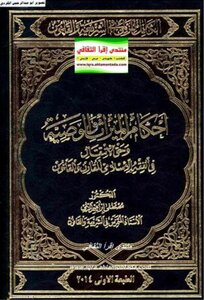
Provisions Of Inheritance - Wills And The Right Of Transmission In Comparative Islamic Jurisprudence And Law

Account upgrade
The download is free, but we offer some paid services. Support us by subscribing
Delete ads and speed up browsing the library.
The download starts with the click of a button without waiting for the book to be ready.
No limits for download times.
You can upload unlimited books in the library.
Enable readers to download your books without waiting.
Delete ads on the books that you publish.
No problems with download links for your uploaded books.
Book Provisions Of Inheritance Wills And The Right Of Transmission In Comparative Islamic Jurisprudence And Law
Copyright reserved
The book cannot be previewed or downloaded in order to preserve the copyright of the author and publishing house
Not available digitally or on paper through the Noor Library, it is for rating and review



Provisions Of Inheritance - Wills And The Right Of Transmission In Comparative Islamic Jurisprudence And Law
| Author: | مصطفى إبراهيم الزلمي |
| Category: | Islamic Fiqh [Edit] |
| Language: | Arabic |
| Publisher: | دار السنهوري القانونية والعلوم السياسية |
| ISBN: | 9789957116620 |
| Release Date: | 01 Jan 2014 |
| Pages: | 204 |
| Rank: | 198,512 No 1 most popular |
| Short link: | Copy |
| More books like this book | |
Book Description
الارث نظام فطري يستجيب لمقتضيات العريزة الانسانية التي تجعل الانسان يميل فطرياً إلى أن تنتقل آثاره المادية والمعنوية من بعده إلى من يخلفه من ولد أو حفيد أو قريب. وقد تميزت الشريعة الاسلامية من بين مختلف الشرائع بتنظيم دقيق لقواعد الإرث راع فيه دواعي الغريزة ومقتضيات الطبيعة التكوينية للجنسين في ضوء ما حددته لهما من تبعات ووظائف وحقوق، وما يلاحظ من التفاوت الكمي، وفقدان المساواة العددية في ميراثا لذكر والأنثى من الشريعة يعود إلى حكمة التوازن الحقيقي الذي يراعي كل الاعتبارات لتحقيق العدل الموضوعي فيه. وقد جاء القرآن الكريم مفصلاً لقواعد الميراث بصورة خاصة لا مجملاً كما هو السمة الغالبة في البيانا لقرآني للأحكام ومع أن القرآن الكريم والسنة النبوية قد تكفلا ببيان الأحكام التفصيلية للإرث فقد تراكم في مسيرة اجتهاد الفقهاء في فهمها تراث فقهي ضخم توزع على عدة مذاهب واجتهادات في المسائل التي تقبل الاجتهاد. وقد ارتأي المؤلف أن يبين لطلاب كلية القانون الخطوط التفصيلية لهذه القواعد، والملامح العامة للاجتهادات الفقهية التي حفظتها مراجع الفقه الاسلامي بمذاهبه العديدة بالقدر الذي يمكنهم من فهم قانون الأحوال الشخصية العراقي النافذ المستمد من الشريعة الاسلامية، ومن استخراج الرأي الفقهي من المراجع المختلفة في الحالات التي سكت عنها المشرع في القانون آنف الذكر. لذا انتهج المؤلف في هذا الكتاب نهجاً خاصاً أساسه مراعاة الترتيب المنطقي في انتقال التركة بحيث يكون السابق تمهيداً للاحق واللاحق مكملاً للسابق فتمم توزيع الموضوعات على أبواب ثلاثة: الباب الأول : مقدمات انتقال التركة إلى الورثة الباب الثاني: الورثة وكيفية توريثهم الباب الثالث: كيفية توزيع التركات كما ابتدأ المؤلف كتابه بالتعريف ببعض المصطلحات والرموز الفقهية الخاصة بعلم الميراث تسهيلاً للفهم وتقريبا للأذهان.

Copyright reserved
The book cannot be previewed or downloaded in order to preserve the copyright of the author and publishing house
Not available digitally or on paper through the Noor Library, it is for rating and review
Share the book :



Book Quotes "Provisions Of Inheritance - Wills And The Right Of Transmission In Comparative Islamic Jurisprudence And Law"

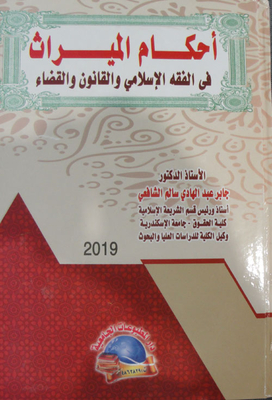
Other books like "Provisions Of Inheritance - Wills And The Right Of Transmission In Comparative Islamic Jurisprudence And Law"






Other books for "مصطفى إبراهيم الزلمي"

If there is a problem with the book, please report through one of the following links:
Report the book or by Contact us
E-books are complementary and supportive of paper books and never cancel it. With the click of a button, the e-book reaches anyone, anywhere in the world.
E-books may weaken your eyesight due to the glare of the screen. Support the book publisher by purchasing his original paper book. If you can access it and get it, do not hesitate to buy it.
Publish your book now for free