Expression Techniques In Nizar Qabbani's Poetry

Account upgrade
The download is free, but we offer some paid services. Support us by subscribing
Delete ads and speed up browsing the library.
The download starts with the click of a button without waiting for the book to be ready.
No limits for download times.
You can upload unlimited books in the library.
Enable readers to download your books without waiting.
Delete ads on the books that you publish.
No problems with download links for your uploaded books.
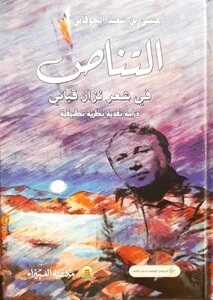
Book Expression Techniques In Nizar Qabbani S Poetry
Copyright reserved
The book cannot be previewed or downloaded in order to preserve the copyright of the author and publishing house
Not available digitally or on paper through the Noor Library, it is for rating and review



Expression Techniques In Nizar Qabbani's Poetry
| Author: | بروين حبيب |
| Category: | Free Expression [Edit] |
| Language: | Arabic |
| Publisher: | المؤسسة العربية للدراسات والنشر |
| Release Date: | 01 Jan 1999 |
| Pages: | 266 |
| Rank: | 300,714 No 1 most popular |
| Short link: | Copy |
| More books like this book | |
Book Description
الذي يميز نزار قباني عن غيره من شعراء العربية الذين عاصروه اللغة العفوية والشفافة والبسيطة التي يكتب بها قصائده ولعل هذا ما جعل -إضافة إلى موضوع الشعر لديه قصائده على كل لسان خصوصاً بين الشبان والشابات. وقد اصطلح نقاد الشعر على الإشارة إلى الخصوصية التي يتميز بها نزار قباني عن غيره من حيث استخدام المفردة، وتوظيفها دلالياً ومن حيث الموسيقى. والمؤلفة باعتبارها شاعرة تستجلي في هذا الكتاب ملامح الأسلوب النزاري وتستكشف أبرز التقنيات التي يستخدمها الشاعر للتعبير عن المعاني والموضوعات التي صنعت لغته.
والكتاب يقع في فصول أربع، الفصل الأول عرضت فيه المؤلفة للبنية الإيقاعية في شعر نزار قباني، وقدمت في الجزء الأول نبذة موجزة عن الإيقاع في الشعر العربي، وقد وجدت أن الإيقاع توظيف خاص للمادة الصوتية في الكلام يظهر في تردد وحدات صوتية في السياق على مسافات متقايسة بالتساوي أو بالتناسب لإحداث الانسجام. وإن الشاعر هو المتحكم الأول والأخير في تشكيل هذا الإيقاع باستعماله اللغة، فهو يعيد تنظيم هذه اللغة ويعيد تنظيم الأصوات ليخلق ذلك التشكيل الإيقاعي (الإيقاع).
أما الجزء الثاني فإنها قدمت دراسة عن تطور البنية الإيقاعية في شعر نزار قباني، إذ اتخذ نزار التسلسل التاريخي المتدرج بدءاً من القصيدة العمودية وصولاً إلى قصيدة التفعيلة حيث لعب الجانب الإيقاعي دوره في هذا التطور من قصيدة العمود إلى قصية التفعيلة.
وفي الفصل الثاني قامت بدراسة المعجم الشعري شعر نزار، وقدمت إحصاء للحقول الدلالية للمفردات التي تتكرر مراراً (الفرح، الحزن، الحياة، والموت). وقد لاحظت المؤلفة أن الجسد احتل مساحة واسعة في دواوين نزار قباني. وتبرز في الفصل الثالث أهمية الصورة الشعرية في شعر نزار حيث تعرضت لكيفية توظيف الشاعر لمفردات الحياة اليومية وتشكيل صورة الشعرية، كما بحث في عناصر اللون والحركة ولعبة الأشكال، وتوصلت إلى أن أكثر الألوان استخداماً في شعر نزار هو اللون الأحمر الذي يرمز للثورة والرغبة الجنسية والتمرد.
ثم تناولت في الفصل الرابع بعض الظواهر الأسلوبية التي تفضي إلى رؤى نزار الشعرية ورصدت بعض ما يميز تجربته الشعرية من حيث ظاهرة التكرار، والتشبيهات المتكررة، والإكثار من المفردات غير العربية، كما عرضت لصورة المرأة من خلال الرجل وصورة الرجل من خلال المرأة، كما لا تغفل البعد الفلسفي في شعر نزار من خلال الخيوط المتشابكة التي تمثل رؤيته للحب والجمال والحياة والسياسة.

Copyright reserved
The book cannot be previewed or downloaded in order to preserve the copyright of the author and publishing house
Not available digitally or on paper through the Noor Library, it is for rating and review
Share the book :
Book Review "Expression Techniques In Nizar Qabbani's Poetry"


Other books like "Expression Techniques In Nizar Qabbani's Poetry"








Other books for "بروين حبيب"


If there is a problem with the book, please report through one of the following links:
Report the book or by Contact us
E-books are complementary and supportive of paper books and never cancel it. With the click of a button, the e-book reaches anyone, anywhere in the world.
E-books may weaken your eyesight due to the glare of the screen. Support the book publisher by purchasing his original paper book. If you can access it and get it, do not hesitate to buy it.
Publish your book now for free