The Arabic Language: Its History - Levels - And Influence

Account upgrade
The download is free, but we offer some paid services. Support us by subscribing
Delete ads and speed up browsing the library.
The download starts with the click of a button without waiting for the book to be ready.
No limits for download times.
You can upload unlimited books in the library.
Enable readers to download your books without waiting.
Delete ads on the books that you publish.
No problems with download links for your uploaded books.
Book The Arabic Language Its History Levels And Influence
Copyright reserved
The book cannot be previewed or downloaded in order to preserve the copyright of the author and publishing house
Not available digitally or on paper through the Noor Library, it is for rating and review

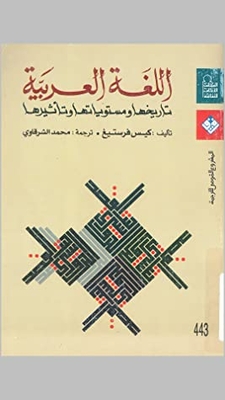

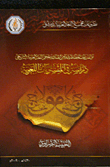
The Arabic Language: Its History - Levels - And Influence
| Author: | Kees Versteegh , Muhammad AlSharqawi |
| Category: | The Origins Of The Arabic Language, Its Vocabulary, And The Meaning Of Words And Terms [Edit] |
| Language: | Arabic |
| Publisher: | المركز القومي للترجمة (first published October 22nd 1997) |
| Release Date: | 01 Jan 2003 |
| Pages: | 324 |
| Rank: | 396,651 No 1 most popular |
| Short link: | Copy |
| More books like this book | |
Book Description
This general introduction to the Arabic Language, now available in paperback, places special emphasis on the history and variation of the language. Concentrating on the difference between the two types of Arabic - the Classical standard language and the dialects - Kees Versteegh charts the history and development of the Arabic language from the earliest beginnings to moder This general introduction to the Arabic Language, now available in paperback, places special emphasis on the history and variation of the language. Concentrating on the difference between the two types of Arabic - the Classical standard language and the dialects - Kees Versteegh charts the history and development of the Arabic language from the earliest beginnings to modern times. The reader is offered a solid grounding in the structure of the language, its historical context and its use in various literary and non-literary genres, as well as an understanding of the role of Arabic as a cultural, religious and political world language. Intended as an introductory guide for students of Arabic, it will also be a useful tool for discussions both from a historical linguistic and from a socio-linguistic perspective. Coverage includes all aspects of the history of Arabic, the Arabic linguistic tradition, Arabic dialects and Arabic as a world language. Links are made between linguistic history and cultural history, while the author emphasises the role of contacts between Arabic and other languages. This important book will be an ideal text for all those wishing to acquire an understanding or develop their knowledge of the Arabic language.

Copyright reserved
The book cannot be previewed or downloaded in order to preserve the copyright of the author and publishing house
Not available digitally or on paper through the Noor Library, it is for rating and review
Share the book :
Book Review "The Arabic Language: Its History - Levels - And Influence"

Book Quotes "The Arabic Language: Its History - Levels - And Influence"

Other books like "The Arabic Language: Its History - Levels - And Influence"





If there is a problem with the book, please report through one of the following links:
Report the book or by Contact us
E-books are complementary and supportive of paper books and never cancel it. With the click of a button, the e-book reaches anyone, anywhere in the world.
E-books may weaken your eyesight due to the glare of the screen. Support the book publisher by purchasing his original paper book. If you can access it and get it, do not hesitate to buy it.
Publish your book now for free