Persian Zaban Constitution

Account upgrade
The download is free, but we offer some paid services. Support us by subscribing
Delete ads and speed up browsing the library.
The download starts with the click of a button without waiting for the book to be ready.
No limits for download times.
You can upload unlimited books in the library.
Enable readers to download your books without waiting.
Delete ads on the books that you publish.
No problems with download links for your uploaded books.
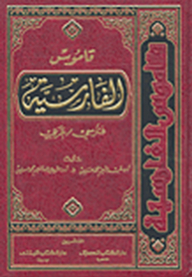
Book Persian Zaban Constitution
Copyright reserved
The book cannot be previewed or downloaded in order to preserve the copyright of the author and publishing house
Not available digitally or on paper through the Noor Library, it is for rating and review



Persian Zaban Constitution
| Author: | پرویز ناتل خانلری |
| Category: | The Origins Of The Arabic Language, Its Vocabulary, And The Meaning Of Words And Terms [Edit] |
| Language: | Arabic |
| Publisher: | توس |
| Pages: | 376 |
| Rank: | 339,924 No 1 most popular |
| Short link: | Copy |
| More books like this book | |
Book Description
دو بخش اول این کتاب شامل نکاتی است که نویسندۀ این سطور برای آموختن قواعد زبان فارسی در دبیرستانها تألیف کرده بود و در طی ده سال اخیر در دبیرستانها تدریس میشد. در این تألیف روشی نو اتخاذ شده بود که به کلی با آنچه از سالها پیش در آموزشگاههای ایران معمول بود تفاوت داشت.
از نخستین کتابی که برای آموختن زبان فارسی در سال ۱۲۸۹ قمری به قلم میرزا حبیب اصفهانی و به عنوان دستور دو بخش اول این کتاب شامل نکاتی است که نویسندۀ این سطور برای آموختن قواعد زبان فارسی در دبیرستانها تألیف کرده بود و در طی ده سال اخیر در دبیرستانها تدریس میشد. در این تألیف روشی نو اتخاذ شده بود که به کلی با آنچه از سالها پیش در آموزشگاههای ایران معمول بود تفاوت داشت.
از نخستین کتابی که برای آموختن زبان فارسی در سال ۱۲۸۹ قمری به قلم میرزا حبیب اصفهانی و به عنوان دستور سخن در اسلامبول منتشر شد تا کتابهای درسی تألیف میرزا عبدالعظیم گرگانی (قریب) و سپس کتابی که به عنوان دستور زبان فارسی با همکاری پنج استاد دانشگاه برای سال سوم و چهارم دبیرستانها انتشار یافت همواره مبنای تألیف آن بود که از اجزاء جمله و تعریف یکایک انواع کلمه آغاز کنند تا سرانجام به واحد گفتار یعنی جمله برسند. در ضمن بحث با این روش، که غالباً از صرف و نحو عربی نمونه میگرفت و در بعضی از نکات کتابهای ابتدایی دستور زبان فرانسه نیز مورد نظر قرار داشت همیشه در مفردات کلام بحث میشد و ارتباط مطالب مطلقاً در نظر نبود.
روش تازهای که مؤلف این کتاب پیش گرفت با شیوۀ معمول اصولاً اختلاف داشت. اینجا کوچکترین واحدی از گفتار که منظور گوینده، یعنی رساندن پیامی به شنونده را برمیآورد، و «جمله» خوانده میشود، مبنای بحث قرار میگیرد. سپس این واحد گفتار به دو قسمت اصلی تقسیم میشود که هر یک شامل اجزاء کوچکتری است. پس از آن به شناخت یک یک اجزاء هر قسمت میرسد و مباحث دقیقتر مانند رابطۀ فراکردها (یا به اصطلاح سابق جملههای ناقص) با یکدیگر پس از آن میآید…

Copyright reserved
The book cannot be previewed or downloaded in order to preserve the copyright of the author and publishing house
Not available digitally or on paper through the Noor Library, it is for rating and review
Share the book :
Book Review "Persian Zaban Constitution"

Book Quotes "Persian Zaban Constitution"

Other books like "Persian Zaban Constitution"







If there is a problem with the book, please report through one of the following links:
Report the book or by Contact us
E-books are complementary and supportive of paper books and never cancel it. With the click of a button, the e-book reaches anyone, anywhere in the world.
E-books may weaken your eyesight due to the glare of the screen. Support the book publisher by purchasing his original paper book. If you can access it and get it, do not hesitate to buy it.
Publish your book now for free