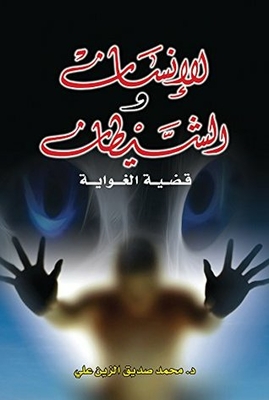
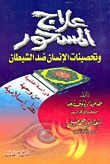
Man And Satan - The Case Of Seduction

Account upgrade
The download is free, but we offer some paid services. Support us by subscribing
Delete ads and speed up browsing the library.
The download starts with the click of a button without waiting for the book to be ready.
No limits for download times.
You can upload unlimited books in the library.
Enable readers to download your books without waiting.
Delete ads on the books that you publish.
No problems with download links for your uploaded books.
Book Man And Satan The Case Of Seduction
Copyright reserved
The book cannot be previewed or downloaded in order to preserve the copyright of the author and publishing house
Not available digitally or on paper through the Noor Library, it is for rating and review



Man And Satan - The Case Of Seduction
| Author: | Muhammad Siddiq AlZain Ali |
| Category: | Successful And Positive Thinking Skills [Edit] |
| Language: | Arabic |
| Publisher: | الدار العربية للعلوم ناشرون |
| ISBN: | 9786140202900 |
| Release Date: | 01 Jan 2011 |
| Pages: | 94 |
| Rank: | 523,567 No 1 most popular |
| Short link: | Copy |
| More books like this book | |
Book Description
قضية غواية الشيطان للإنسان منذ خُلق آدم، وصولاً إلى هبوطه إلى الأرض هي ما شغلت ذهن الباحث الدكتور "محمد صديق الزين علي" في كتابه المعنون "الإنسان والشيطان: قضية الغواية". يناقش الكتاب إشكالية علاقة الإنسان بالشيطان، وعلاقتهما بالإله ويتخذ من أسلوب الجدل والحوار أساساً لفهم قضية الغواية؛ جعلها الكاتب في خمسة وعشرون موقفاً توزعت في الكتاب حسب العناوين الآتية: الموقف الأول: الانفجار الكوني الأول العظيم، الموقف الثاني: قصة بداية تكون الإنسان، الموقف الثالث: خطاب الملك للملأ الأعلى في الشأن الإنساني، الموقف الرابع: سبب القضية بين الشيطان والإنسان، الموقف الخامس: حياة الإنسان الأول في الجنة، الموقف السادس: عملية بداية الخطيئة عند الإنسان، الموقف السادس: أول رسالة سماوية من الملك الأعلى للإنسان، الموقف الثامن: قصة الهبوط إلى الأرض العظيم، الموقف التاسع: كيفية اللقاء للرجل والمرأة على الأرض، الموقف العاشر: تكوين أول بيت للناس للذي ببكة، الموقف الحادي عشر: فتنة قتل الإنسان لأخيه الإنسان، الموقف الثاني عشر: تعليم كيفية دفن أموات البشر، الموقف الثالث عشر: الأصنام وسيلة بين الناس والملك الأعلى، الموقف الرابع عشر: أول رسالة سماوية للإنسان على الأرض، الموقف الخامس عشر: القرى البائدة، الموقف السادس عشر: أسلوب تعليم مفهوم التجربة العلمية الإنسانية قبل الرسالة السماوية، الموقف السابع عشر: تكوين الأمم والشعوب على الأرض، الموقف الثامن عشر: عهد تأله الإنسان الملك في الأرض، الموقف التاسع عشر: قصة الشيطان مع قوم موسى الناجين، الموقف العشرون: عصر المماليك الإنسانية بعد تكوين الأمم، الموقف الحادي والعشرين: التمكين في الأرض لذي القرنين المحارب للشيطان، الموقف الثاني والعشرون: إرجاع الإنسان لتكوينه من غير أب، الموقف الثالث والعشرون: اكتمال الإمبراطورية الإنسانية الشيطانية، الموقف الرابع والعشرون: اكتمال الإمبراطورية الإنسانية الملكية العليا، الموقف الخامس والعشرون والأخير: تحديد فئات الناس في القضية.

Copyright reserved
The book cannot be previewed or downloaded in order to preserve the copyright of the author and publishing house
Not available digitally or on paper through the Noor Library, it is for rating and review
Share the book :
Book Review "Man And Satan - The Case Of Seduction"

Book Quotes "Man And Satan - The Case Of Seduction"

Other books like "Man And Satan - The Case Of Seduction"






Other books for "Muhammad Siddiq AlZain Ali"


If there is a problem with the book, please report through one of the following links:
Report the book or by Contact us
E-books are complementary and supportive of paper books and never cancel it. With the click of a button, the e-book reaches anyone, anywhere in the world.
E-books may weaken your eyesight due to the glare of the screen. Support the book publisher by purchasing his original paper book. If you can access it and get it, do not hesitate to buy it.
Publish your book now for free