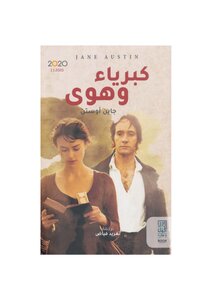
Pride And Prejudice

Account upgrade
The download is free, but we offer some paid services. Support us by subscribing
Delete ads and speed up browsing the library.
The download starts with the click of a button without waiting for the book to be ready.
No limits for download times.
You can upload unlimited books in the library.
Enable readers to download your books without waiting.
Delete ads on the books that you publish.
No problems with download links for your uploaded books.
Book Pride And Prejudice
Copyright reserved
The book cannot be previewed or downloaded in order to preserve the copyright of the author and publishing house
Not available digitally or on paper through the Noor Library, it is for rating and review

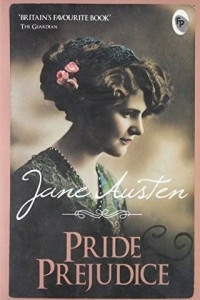

Pride And Prejudice
| Author: | Jane Austen |
| Category: | English [Edit] |
| Language: | English |
| Publisher: | English books |
| ISBN: | 582329078 |
| Release Date: | 01 Jan 2007 |
| Pages: | 384 |
| Rank: | 118,681 No 1 most popular |
| Short link: | Copy |
| More books like this book | |
Jane Austen
The Author Book Pride And Prejudice and the author of 63 another books.
ولدت جاين أوستن في ستيفنتن في بريطانيا عام 1775.
والدها كان قسا قروياً لا يملك الكثير من المال، ومع ذلك فقد كانت طفولتها سعيدة.
تعلمت جاين في المقام الأول على يدي والدها وإخوتها الأكبر سناً، كما تعلمت من قراءتها الخاصة.
في عام 1801 انتقلت اسرتها إلى مدينة باث.
لم تحب هذه المدينة وبعد وفاة والدها في عام 1805 انتقلت جين ووالدتها واختها إلى شوتون حيث اهتم بهن أخوها الغني وأعطاهن بيتاً.
قبلت الزواج من رجل ثري ولكن كانت خطوبة قصيره فقد نامت جين لتصحو في صباح مبكر وتهمس في اذن إحدى بنات اشقائها « كل شيء يمكن ان يحدث اي شيء يمكن ان يتحمله الإنسان إلا ان يتزوج بغير حب ». في الفترة من عام 1811 وحتى عام 1816 حققت جين اوستن نجاحا هائلاً ككاتبة حيث نشرت العديد من روايتها مثل احاسيس ومعقولية 1811 وكبرياء وتحامل 1813، حديقة مانسفيلد 1814 Mansfield Park، إيما 1815.
كما قامت بعد ذلك بكتابة روايتين هما : دير نورث آنجر Northanger Abbey واقناع اللتان تم نشرهما بعد وفاتها عام 1818.
كانت جين أوستن قد بدأت في كتابة رواية أخرى ألا وهي سانديتون Sanditon ولكنها توفيت قبل أن تنتهى من كتابتها حيث كانت مريضة فسافرت مع عائلتها الي ونشستر باحثة عن الشفاء.
وتوفيت وهي في الواحدة والأربعين من عمرها.
قال عنها «سومرست موم» لقد وجدت المرأة نفسها عندما ولدت جين وقال عنها المؤرخ الكبير «مالاي » انها أعظم أدباء إنجلترا بعد شكسبير وقال عنها «والترالن » أصبحت جين مقياساً ومرجعاً نعود اليهما كلما أردنا أن نقيم أعمال المؤلفين المحدثين.
Book Description
It is a truth universally acknowledged, that a single man in possession of a good fortune, must be in want of a wife."
Next to the exhortation at the beginning of Moby dick, "Call me Ishmael," the first sentence of Jane Austen's Pride and Prejudice must be among the most quoted in literature. And certainly what Melville did for whaling Austen does for marriage--tracing the intricacies (not to mention the economics) of 19th-century British mating rituals with a sure hand and an unblinking eye. As usual, Austen trains her sights on a country village and a few families--in this case, the Bennets, the Philips, and the Lucases. Into their midst comes Mr. Bingley, a single man of good fortune, and his friend, Mr. Darcy, who is even richer. Mrs. Bennet, who married above her station, sees their arrival as an opportunity to marry off at least one of her five daughters. Bingley is complaisant and easily charmed by the eldest Bennet girl, Jane; Darcy, however, is harder to please. Put off by Mrs. Bennet's vulgarity and the untoward behavior of the three younger daughters, he is unable to see the true worth of the older girls, Jane and Elizabeth. His excessive pride offends Lizzy, who is more than willing to believe the worst that other people have to say of him; when George Wickham, a soldier stationed in the village, does indeed have a discreditable tale to tell, his words fall on fertile ground.
Having set up the central misunderstanding of the novel, Austen then brings in her cast of fascinating secondary characters: Mr. Collins, the sycophantic clergyman who aspires to Lizzy's hand but settles for her best friend, Charlotte, instead; Lady Catherine de Bourgh, Mr. Darcy's insufferably snobbish aunt; and the Gardiners, Jane and Elizabeth's low-born but noble-hearted aunt and uncle. Some of Austen's best comedy comes from mixing and matching these representatives of different classes and economic strata, demonstrating the hypocrisy at the heart of so many social interactions. And though the novel is rife with romantic misunderstandings, rejected proposals, disastrous elopements, and a requisite happy ending for those who deserve one, Austen never gets so carried away with the romance that she loses sight of the hard economic realities of 19th-century matrimonial maneuvering. Good marriages for penniless girls such as the Bennets are hard to come by, and even Lizzy, who comes to sincerely value Mr. Darcy, remarks when asked when she first began to love him: "It has been coming on so gradually, that I hardly know when it began. But I believe I must date it from my first seeing his beautiful grounds at Pemberley." She may be joking, but there's more than a little truth to her sentiment, as well. Jane Austen considered Elizabeth Bennet "as delightful a creature as ever appeared in print". Readers of Pride and Prejudice would be hard-pressed to disagree.

Copyright reserved
The book cannot be previewed or downloaded in order to preserve the copyright of the author and publishing house
Not available digitally or on paper through the Noor Library, it is for rating and review
Share the book :


Other books like "Pride And Prejudice"

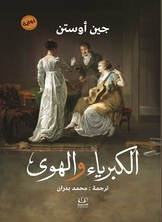

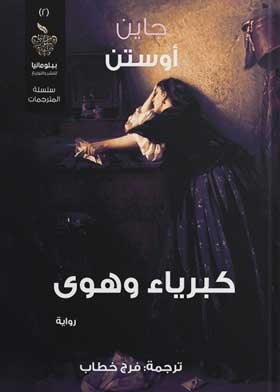


Other books for "Jane Austen"
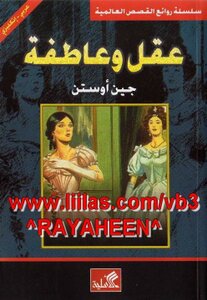

If there is a problem with the book, please report through one of the following links:
Report the book or by Contact us
E-books are complementary and supportive of paper books and never cancel it. With the click of a button, the e-book reaches anyone, anywhere in the world.
E-books may weaken your eyesight due to the glare of the screen. Support the book publisher by purchasing his original paper book. If you can access it and get it, do not hesitate to buy it.
Publish your book now for free