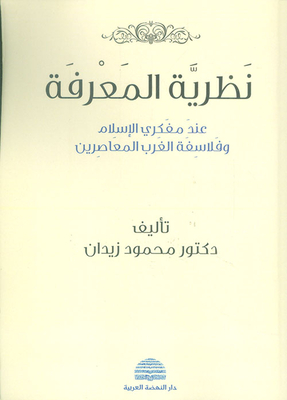
The Epistemology Of Islamic Thinkers And Contemporary Western Philosophers - By Dr. Mahmoud Zeidan

Account upgrade
The download is free, but we offer some paid services. Support us by subscribing
Delete ads and speed up browsing the library.
The download starts with the click of a button without waiting for the book to be ready.
No limits for download times.
You can upload unlimited books in the library.
Enable readers to download your books without waiting.
Delete ads on the books that you publish.
No problems with download links for your uploaded books.
Book The Epistemology Of Islamic Thinkers And Contemporary Western Philosophers By Dr Mahmoud Zeidan
Copyright reserved
The book cannot be previewed or downloaded in order to preserve the copyright of the author and publishing house
Not available digitally or on paper through the Noor Library, it is for rating and review



The Epistemology Of Islamic Thinkers And Contemporary Western Philosophers - By Dr. Mahmoud Zeidan
| Author: | Mahmoud Zidan |
| Category: | Philosophy And Logic [Edit] |
| Language: | Arabic |
| Publisher: | مؤسسة هنداوي للتعليم والثقافة |
| Rank: | 133,436 No 1 most popular |
| Short link: | Copy |
| More books like this book | |
Book Description
اهتم الفلاسفة القدماء والمعاصرين بنظرية المعرفة التي تهتم بالبحث في طبيعة المعرفة الإنسانية وخصائصها وما يميزها عن غيرها من الأنشطة الإنسانية. كما يتساءل عن مصادر المعرفة وكيفية اكتسابها عن طريق الحس، أن البرهان العقلي، أم بالحدس؟ كما يبحث نظرية المعرفة فيما إذا كان العقل قادراً على معرفة الظواهر فقط أن قدرته تتعدى ذلك.
والكتاب الذي نحن بصدده يتناول نظرية المعرفة تناولات نقدياً ويعرض لجميع جوانبها وهو يحوي ستة فصول. يبحث الفصل الأول في طبيعة المعرفة والاعتقاد حيث يختلف الفلاسفة في تحديد طبيعة المعرفة. بينما يتناول الفصل الثاني مواقف الفلاسفة الذي تصدوا لمذهب الشكاك وفندوا حججهم. وبالانتقال إلى الفصل الثالث نلاحظ أنه يعرض لمشكلة الإدراك الحسي وهو المنهج الذي يبدأ به كل فيلسوف تعنيه نظرية المعرفة. وقد اعتمده كل الفلاسفة على حد وساء والفرق بينهم في درجة الثقة بالمعرفة التي تكتسب بطريق الإدراك الحسي.
أما الفصل الرابع فيتناول القضايا الأولية الضرورية ويبحث فيه عما إذا كانت المعرفة العلمية والبراهين الرياضية تستند إلى مجموعة من قضايا أولية يدرك صدقها مباشرة وتتخذ مقدمات أولى لأي استدلال وهي ذاتها لا تقبل البرهنة أم أن مثل هذه القضايا ليس موجوداً وفي الفصل الخامس ينتقل المؤلف إلى الحديث عن القضايا الأولية الحادثة وهي صنفان: قضايا الاستبطان وأحكام الإدراك الحسي. والاستبطان هو أحد المناهج التي يستخدمها علماء النفس لاكتشاف الحالات الشعور كالإحساس والإدراك والتذكر.
وانفرد الفصل السادس بمناقشة مشكلة "الصدق" وهو موضوع أساسى في نظرية المعرفة, فيبحث في المعيار الذي نميز به القضايا الصادقة من الكاذبة، إذ اختلف الفلاسفة بينهم بصدد هذه الأسئلة ولهم في ذلك خمس نظريات. نظرية المطابقة، نظرية الأنساق، نظرية الإضافة غير الضرورية، النظرية السيمانتية. كما أشار المؤلف في آخر الكتاب إلى نظرية المعرفة عند مفكري الإسلام من مشاعرة ومعتزلة كما عند ابن سينا وابن رشد.

Copyright reserved
The book cannot be previewed or downloaded in order to preserve the copyright of the author and publishing house
Not available digitally or on paper through the Noor Library, it is for rating and review
Share the book :
Book Review "The Epistemology Of Islamic Thinkers And Contemporary Western Philosophers - By Dr. Mahmoud Zeidan"

Book Quotes "The Epistemology Of Islamic Thinkers And Contemporary Western Philosophers - By Dr. Mahmoud Zeidan"

Other books like "The Epistemology Of Islamic Thinkers And Contemporary Western Philosophers - By Dr. Mahmoud Zeidan"








Other books for "Mahmoud Zidan"




If there is a problem with the book, please report through one of the following links:
Report the book or by Contact us
E-books are complementary and supportive of paper books and never cancel it. With the click of a button, the e-book reaches anyone, anywhere in the world.
E-books may weaken your eyesight due to the glare of the screen. Support the book publisher by purchasing his original paper book. If you can access it and get it, do not hesitate to buy it.
Publish your book now for free