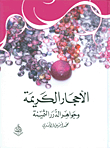
Precious Gems in the Qualities of the Fat Woman

Account upgrade
The download is free, but we offer some paid services. Support us by subscribing
Delete ads and speed up browsing the library.
The download starts with the click of a button without waiting for the book to be ready.
No limits for download times.
You can upload unlimited books in the library.
Enable readers to download your books without waiting.
Delete ads on the books that you publish.
No problems with download links for your uploaded books.
Book Precious Gems In The Qualities Of The Fat Woman
Copyright reserved
The book cannot be previewed or downloaded in order to preserve the copyright of the author and publishing house
Not available digitally or on paper through the Noor Library, it is for rating and review



Precious Gems In The Qualities Of The Fat Woman
| Author: | Abundance Publisher |
| Category: | Make-up And Beauty [Edit] |
| Language: | English |
| Publisher: | Abundance Publisher |
| ISBN: | 9789787773666 |
| Release Date: | 01 Mar 2022 |
| Pages: | 154 |
| Rank: | 778,594 No 1 most popular |
| Short link: | Copy |
| More books like this book | |

Abundance Publisher
Translator
The Publisher and the author
Book Precious Gems in the Qualities of the Fat Woman .
Mansa ng is a keeper of forgotten gems, translator and distributor of sacred texts, cultural revivalist, and advocate for marginalized narratives. With a little background in classical literature, his daring translation of Al-Yawaqit al-Thamina fi Sifat al-Samina marks a radical act of reclamation—centering the divine wisdom in bodies too often deemed unworthy. Mansa ng’s work has been featured in Okadabooks and BusinessDay. He resides in Northern Nigeria.
Book Description
The celebration of fatness was deeply gendered, with different standards for men and women. While fatness was celebrated in women as a sign of beauty and fertility, it was often stigmatized in men as a sign of laziness and lack of self-control. This gendered double standard reflects the broader social and cultural values of medieval Muslim societies, where women’s bodies were often seen as sites of beauty and desire, while men’s bodies were associated with strength and discipline. This is evident in the literature and arts of the 14th – 15th century Muslim societies. In poetry, the fat woman is often celebrated as a muse and a symbol of beauty and abundance, while the fat man is ridiculed as lazy and undisciplined.
This book is divided into three distinct yet interconnected parts, each offering a unique perspective on the subject. Part I serves as an introduction, providing readers with a brief biography of the author, Jalal al-Din al-Suyuti, and setting the stage for the themes explored in the subsequent sections. Part II delves into the technical aspects of the topic, examining how the Arabic language defines the fat woman, the Islamic traditions and narrations that celebrate her, and the rich poetic heritage that immortalizes her beauty. Finally, Part III elevates the discussion to discover the complex interplay between beauty, history, spirituality, power, marriage, identity and even religious rituals, with a particular focus on the fat woman as a symbol of abundance, grace, and divine favor.

Copyright reserved
The book cannot be previewed or downloaded in order to preserve the copyright of the author and publishing house
Not available digitally or on paper through the Noor Library, it is for rating and review
Share the book :
Book Review "Precious Gems in the Qualities of the Fat Woman"

Book Quotes "Precious Gems in the Qualities of the Fat Woman"
Other books like "Precious Gems in the Qualities of the Fat Woman"



Other books for "Abundance Publisher"
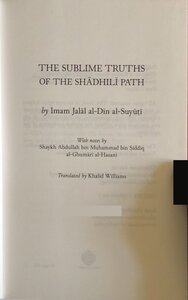
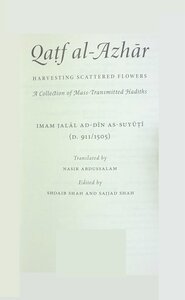
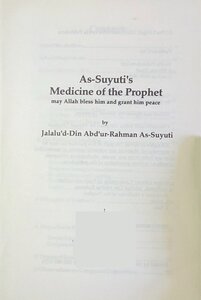
If there is a problem with the book, please report through one of the following links:
Report the book or by Contact us
E-books are complementary and supportive of paper books and never cancel it. With the click of a button, the e-book reaches anyone, anywhere in the world.
E-books may weaken your eyesight due to the glare of the screen. Support the book publisher by purchasing his original paper book. If you can access it and get it, do not hesitate to buy it.
Publish your book now for free