العوامل البشرية وبيئة العمل

ترقية حسابك
التحميل مجاناً لكن نقدم بعض الخدمات المدفوعة ادعمنا بالإشتراك فيها
حذف الإعلانات وتسريع تصفح المكتبة.
يبدأ التحميل بضغطة زر دون انتظار تجهيز الكتاب.
لا حدود لمرات التحميل.
يمكنك رفع كتب بلا حدود بالمكتبة.
تمكين القراء من تحميل كتبك دون إنتظار.
حذف الاعلانات على الكتب التي تنشرها.
لا مشاكل في روابط التحميل لكتبك المرفوعة.
مراجعة كتاب العوامل البشرية وبيئة العمل
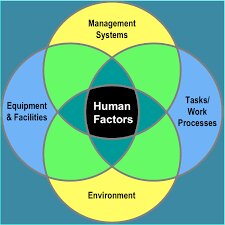

العوامل البشرية وبيئة العمل
| مؤلف: | Osama Mohammed Elmardi دكتور أسامة محمد المرضي سليمان خيال |
| قسم: | هندسة ميكانيكية Mechanical Engineering [تعديل] |
| اللغة: | الإنجليزية |
| الصفحات: | 33 |
| ترتيب الشهرة: | 55,333 رقم 1 هو الأشهر ! |
| رابط مختصر: | نسخ |
| المزيد من الكتب مثل هذا الكتاب | |
وصف الكتاب
In its triennial report, the International Ergonomics Association (IEA, 2000) defined ergonomics as the scientific discipline that deals with understanding the interaction between humans and other elements of a socio-technical system. In this definition, ergonomics is the profession that applies theory, principles, data and design methods to optimize human well-being and the overall performance of a system. It is in particular responsible for the design and evaluation of tasks, jobs, products, environments and systems to make them compatible with the abilities, needs and limitations of people.
The word Ergonomics comes from the Greek Ergon meaning work and Nomos which means law. Therefore, etymologically, this is the science of work. The term has been used historically in the European tradition. In the American tradition one finds the term Human Factor Engineering to refer to the same issues, so both terms can be now considered as synonyms and are used interchangeably. The latter is evidenced by the fact that the Human Factor Society”, founded in Tulsa (Oklahoma) in 1957, is now called the Human Factor and Ergonomics Society” (HFES). Another term which is often used in the same context is “Engineering psychology” (Wickens & Hollands, 2000).
The early precursors of the new discipline could be set around the time of the World War I. They had their background in the pioneering studies of Frederic Bartlett (1886-1969), Hugo Munsterberg (1863-1916) and Frederick Winslow Taylor (1856- 1915) on applied psychology and industrial management. The design of new machines (for example, the first cars or tanks) revealed the importance of taking into account the characteristics of people who should operate them. It was found that many people had difficulties to operate with more complex machines, especially with warplanes. This led the army to recruited psychologists who were assigned the task of developing and administering tests to select soldiers and to assign them to different tasks. These applied psychologists first human factors laboratories that continued their work after the war ended. But it was the World War II which provided the final impetus for the establishment of ergonomics as a discipline with industrial and academic recognition. Moreover, this war involved an enormous amount of people and artefacts, many of them newly created, such as radar, which made the idea of selecting a few special individuals to use previously designed artefacts unworkable. The idea that emerged and has had an enormous impact on the development of the discipline was that the devices should be designed by taking into account characteristics of human beings who will use them, and not adapted to people once they are designed.
In Europe, the focus of ergonomics is to be found in industry and it has been linked to an interest in improving worker performance and satisfaction. The discipline began with an emphasis on the design of equipment and workplaces although in principle themes were related to biological, rather than to the psychological aspects. In this way, studies began on anthropometry, work medicine, architecture, lighting, etc. Back in the 1980s, the Europeans ergonomists began to worry largely about advanced psychological aspects and the European Association of Cognitive Ergonomics (EACE) emerged leading to a confluence of interests with human factors and cognitive science professionals in the other side of the Atlantic.
The definition of ergonomics is extended today to all human activities in which artefacts are implemented. Ergonomists (with many applied psychologists among them) are in a permanent search for comprehensive approaches in which physical, cognitive, social and environmental aspects of human activities can be considered. Although ergonomists often work on different economic sectors or particular tasks, these application domains are constantly evolving, creating new ones and changing the perspective of the old ones. Accordingly, one can recognize today four main domains of expertise crucial for investigating interaction between humans and socio-technical systems.
شارك الكتاب :

كتب أخرى مثل "العوامل البشرية وبيئة العمل"














كتب أخرى لـ "Osama Mohammed Elmardi دكتور أسامة محمد المرضي سليمان خيال"





فى حالة وجود مشكلة بالكتاب الرجاء الإبلاغ من خلال أحد الروابط التالية:
بلّغ عن الكتاب أو من خلال التواصل معنا
الكتب الإلكترونية هي مكملة وداعمة للكتب الورقية ولا تلغيه أبداً بضغطة زر يصل الكتاب الإلكتروني لأي شخص بأي مكان بالعالم.
قد يضعف نظرك بسبب توهج الشاشة، أدعم ناشر الكتاب بشراءك لكتابه الورقي الأصلي إذا تمكنت من الوصول له والحصول عليه فلا تتردد بشراءه.
أنشر كتابك الآن مجانا