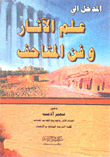
books الخاصة بالآثار والمتاحف الشرق الأوسط english for archaeology and museums middle east تأليف محمد عبد الكريم يوسف سو
If you do not find what you're looking for, you can use more accurate words.

الخاصة بالآثار والمتاحف (الشرق الأوسط) English for Archaeology and Museums (Middle East) تأليف محمد عبد الكريم يوسف سوسن علي عبود نور محمد يوسف كرم محمد يوسف 2025 (Book)
المقدمة العربية
يُعَدّ الشرق الأوسط أحد أهم المراكز الحضارية في تاريخ الإنسانية، فهو المهد الذي شهد البدايات الأولى للزراعة، والاستقرار البشري، وابتكار الكتابة، وتطوّر المدن، وظهور القوانين والديانات والفنون. وعلى امتداد آلاف السنين، تعاقبت على هذه الرقعة الجغرافية حضارات عظيمة تركت بصماتها العميقة في ذاكرة العالم، من السومريين والأكديين والآشوريين والبابليين، إلى الفينيقيين والآراميين والأنباط، مروراً بالحضارتين اليونانية والرومانية، وصولاً إلى الحضارة العربية الإسلامية التي أسهمت في نقل المعرفة وتطويرها.
إن آثار الشرق الأوسط ليست مجرد شواهد حجرية صامتة، بل هي نصوص مفتوحة تقرأ فيها قصة الإنسان الأولى: كيف بنى مدنه، وكيف نظم مجتمعه، وكيف عبّر عن خوفه وأمله، وعن علاقته بالطبيعة والمقدّس. من المعابد الأولى في بلاد الرافدين، إلى القصور الملكية في آشور وبابل، ومن المدن المطمورة بالرمال في الصحراء، إلى القلاع والحصون والمساجد والكنائس المنتشرة على امتداد الساحل والداخل، تتجسد أمامنا مسيرة حضارية متواصلة تشكّل أساس التراث الإنساني العالمي.
تحتل المتاحف في هذا السياق دوراً محورياً، فهي الجسر الذي يربط الماضي بالحاضر، والمكان الذي تُصان فيه اللقى الأثرية وتُعرض بأسلوب علمي وثقافي وتربوي. والمتاحف في الشرق الأوسط لا تقتصر على عرض القطع، بل تسرد الحكاية الكاملة للحضارات، وتعيد إحياء الأصوات التي صمتت منذ قرون. ومن هنا، تبرز الحاجة إلى لغة تواصل عالمية قادرة على نقل هذه الحكاية إلى الزائر والباحث والسائح والطالب من مختلف الثقافات.
تأتي اللغة الإنكليزية اليوم بوصفها لغة العلم والتواصل الدولي، أداةً أساسية في مجالات الآثار والمتاحف، سواء في البحث الأكاديمي، أو في التوثيق، أو في الإرشاد السياحي، أو في المعارض الدولية، أو في التعاون بين البعثات الأثرية والمؤسسات الثقافية. إن امتلاك المصطلحات الدقيقة والعبارات المتخصصة في هذا المجال لم يعد ترفاً معرفياً، بل ضرورة مهنية وثقافية لكل من يعمل أو يهتم بالتراث الأثري.
يهدف هذا الكتاب "الإنكليزية الخاصة بالآثار والمتاحف" إلى سدّ فجوة معرفية مهمة، عبر تقديم لغة إنكليزية متخصصة، واضحة ومنهجية، تُعنى بالمصطلحات الأثرية والمتحفية، وتضعها في سياقها التاريخي والحضاري، مع تركيز خاص على آثار الشرق الأوسط. لا يقدّم الكتاب مفردات معزولة، بل يدمج اللغة بالمعرفة، ويجعل من تعلّم الإنكليزية رحلةً عبر الزمن، من أقدم المواقع الأثرية إلى أحدث قاعات العرض المتحفي.
سيتعرّف القارئ من خلال هذا الكتاب على أسماء الحضارات، وأنواع المواقع الأثرية، وأساليب التنقيب، ومواد البناء القديمة، وأنواع اللقى (كالتماثيل، والأختام، واللقى الفخارية، والنقوش)، إضافة إلى مفاهيم العرض المتحفي، والحفظ والترميم، والتوثيق، وأخلاقيات العمل الأثري. كما سيتدرّب على استخدام اللغة في مواقف عملية، مثل شرح موقع أثري، أو وصف قطعة متحفية، أو تقديم جولة إرشادية، أو كتابة تقرير علمي مبسّط.
إن التركيز على الشرق الأوسط في هذا الكتاب ليس خياراً جغرافياً فحسب، بل هو تأكيد على الدور المركزي الذي لعبته هذه المنطقة في تشكيل تاريخ البشرية. فالحديث عن آثار الشرق الأوسط هو حديث عن الجذور المشتركة للإنسانية، وعن الذاكرة التي لا تخص شعباً واحداً، بل العالم بأسره. ومن خلال اللغة، يمكننا أن نحمي هذه الذاكرة، وأن ننقلها بأمانة ووضوح إلى الأجيال القادمة.
نأمل أن يكون هذا الكتاب مرجعاً عملياً للطلبة، والباحثين، والمرشدين السياحيين، والعاملين في المتاحف، وكل مهتم بالآثار والتراث، وأن يسهم في تعزيز الوعي بأهمية التراث الثقافي، وفي بناء جسر لغوي ومعرفي بين الشرق الأوسط والعالم.
English
The Middle East is widely recognized as one of the most significant cradles of human civilization. It is the region where agriculture first emerged, permanent settlements were established, writing systems were invented, cities were built, and laws, religions, and artistic traditions began to take shape. Over thousands of years, great civilizations flourished in this land, including the Sumerians, Akkadians, Assyrians, and Babylonians, followed by the Phoenicians, Arameans, and Nabataeans, as well as the Greek and Roman civilizations, and later the Arab-Islamic civilization, which played a crucial role in preserving, developing, and transmitting knowledge to the world.
The archaeological heritage of the Middle East is not merely a collection of silent stones and ruins; it is an open historical record that tells the story of humanity’s earliest experiences. Through temples, palaces, cities, fortresses, mosques, churches, and everyday objects, we can trace how human beings organized their societies, expressed their beliefs, interacted with nature, and sought meaning in life. From the earliest temples of Mesopotamia to the monumental cities of the Levant and beyond, the region represents a continuous and interconnected cultural landscape that forms the foundation of global heritage.
Museums play a vital role in preserving and interpreting this heritage. They serve as bridges between the past and the present, safeguarding archaeological objects and presenting them in educational, scientific, and cultural contexts. Museums in the Middle East do more than display artifacts; they narrate the stories of civilizations and give voice to cultures that shaped human history. In an increasingly interconnected world, these stories must be communicated clearly and accurately to international audiences.
In this context, the English language has become an essential tool in the fields of archaeology and museology. As the dominant language of academic research, international collaboration, tourism, and cultural exchange, English is widely used in excavation reports, museum labels, guided tours, exhibitions, and scholarly publications. Mastery of specialized English terminology related to archaeology and museums is therefore a professional necessity for students, researchers, museum staff, and heritage practitioners.
The book English for Archaeology and Museums aims to address this need by providing a structured and accessible introduction to specialized English in the context of archaeological and museum studies, with a particular focus on the Middle East. Rather than presenting isolated vocabulary lists, the book integrates language learning with historical and cultural knowledge, allowing learners to acquire English through meaningful and authentic content related to ancient civilizations and heritage management.
Through this book, readers will become familiar with the names of civilizations, types of archaeological sites, excavation methods, ancient building materials, and categories of artifacts such as statues, pottery, inscriptions, and seals. They will also learn key concepts related to museum work, including exhibition design, conservation and restoration, documentation, and professional ethics. Practical language skills are emphasized, enabling learners to describe archaeological sites, explain museum objects, conduct guided tours, and write simple academic or professional reports in English.
The focus on the Middle East is not merely regional; it reflects the central role of this area in the shared history of humanity. Studying and describing the archaeology of the Middle East means engaging with the roots of human civilization itself. By using English as a medium of communication, we can help protect this heritage, promote cross-cultural understanding, and ensure that the stories of the past are accurately conveyed to a global audience.
This book is intended as a practical reference for students, researchers, tour guides, museum professionals, and all those interested in archaeology and cultural heritage. It seeks to enhance linguistic competence, deepen historical awareness, and contribute to the preservation and appreciation of the rich archaeological legacy of the Middle East.