books tragedies
If you do not find what you're looking for, you can use more accurate words.
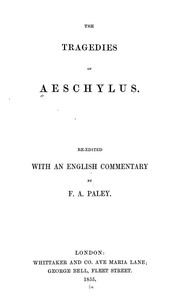
# Tragedies of Aeschylus
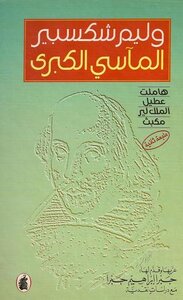
# Shakespeare's tragedies
# Tragedies of Aeschylus Aeschylus
# Tragedies of Sophocles
# Tragedies of Sophocles
# Tragedies of the moment
# Diamond League
# Diamond Jubilee
# The great tragedies
# Little Tragedies
# From the tragedies of separation
# Great historical tragedies
# land of tragedies
# Sin is the cause of tragedies
# Nile tragedies
# Tragic and mysterious images
# Diamond contract case
View more
Source: wikipedia.org
تراجيديات (Info)
لا يزال النص الموجود في هذه الصفحة في مرحلة الترجمة إلى العربية. إذا كنت تعرف اللغة المستعملة، لا تتردد في الترجمة.
- جنون هرقل
- طروادس (النسوة الطرواديات)
- فونيسـّاي (النسوة الفينيقيات)
- فدرا
- ميديا
- ثستيس
- أگاممنون
- اوديپ
- هرقل فوق جبل أويتا
حوارات
- (40) Ad Marciam, De consolatione (To Marcia, On consolation) - Consoles her on the death of her son
- (41) De Ira (On anger) - A study on the consequences and the control of anger
- (42) Ad Helviam matrem, De consolatione (To Helvia, On consolation) - Letter to his mother consoling her on his absence during exile.
- (44) De Consolatione ad Polybium (To Polybius, On consolation) - Consoling him on his missing son
- (49) De Brevitate Vitae (On the shortness of life) - Essay expounding that any length of life is sufficient if lived wisely.
- (62) De Otio (On leisure)
- (63) De Tranquillitate Animi (On tranquillity of mind)
- (64) De Providentia (On providence)
- (55) De Constantia Sapientiis (On the Firmness of the Wise Person)
- (58) De Vita Beata (On the happy life)
غيره
- (54) Apocolocyntosis divi Claudii (The Pumpkinification of the Divine Claudius), a satirical work. {Also has references to Nero as having a longer life than Nestor at the hands of the three fates—obvious flattery.}
- (56) De Clementia (On Clemency) - written to Nero on the need for clemency as a virtue in an emperor.
- (63) De Beneficiis (On Benefits) [seven books]
- (63) Naturales quaestiones [seven books] of no great originality but offering an insight into ancient theories of cosmology, meteorology, and similar subjects.
- (64) Epistulae morales ad Lucilium - collection of 124 letters dealing with moral issues written to Lucilius Junior.
- (370?) Cujus etiam ad Paulum apostolum leguntur epistolae: These letters, allegedly between Seneca and St. Paul, were revered by early authorities, but currently are not believed to be authentic by most scholars.