Universities In The Middle Ages

Account upgrade
The download is free, but we offer some paid services. Support us by subscribing
Delete ads and speed up browsing the library.
The download starts with the click of a button without waiting for the book to be ready.
No limits for download times.
You can upload unlimited books in the library.
Enable readers to download your books without waiting.
Delete ads on the books that you publish.
No problems with download links for your uploaded books.
Download Book Universities In The Middle Ages Pdf
The source of the book
This book was brought from archive.org as under a Creative Commons license, or the author or publishing house agrees to publish the book. If you object to the publication of the book, please contact us.
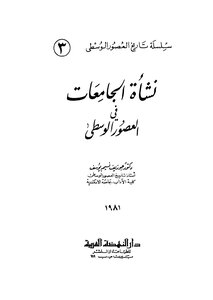

Universities In The Middle Ages
| Author: | Joseph Naseem Youssef |
| Category: | Middle Management [Edit] |
| Language: | Arabic |
| Pages: | 439 |
| File Size: | 7.66 MB |
| Extension: | |
| Creation Date: | 26 Oct 2015 |
| Rank: | 37,835 No 1 most popular |
| Short link: | Copy |
| More books like this book | |
Book Description
كانت جامعات العصور الوسطى وليدة الجهود المبذولة من قبل العلماء من جهة والملوك والباباوات من جهة أخرى، من خلال تحويل مدارس الأديرة والكاتدرائيات إلى جامعات نقلت العلم والمعرفة إلى مختلف البلاد الأوروبية، وكان للاتصال بالحضارة العربية الإسلامية الأثر البارز لتلك النشأة والتطور، عن طرق الاندلس وصقلية وإيطاليا تارة والحروب الصليبية تارة أخرى، والتي أدت إلى نقل الكثير من العلوم العربية إلى أوروبا، مما ولد نتيجة إيجابية لنشأة الجامعات وتطورها. شكل اختيار موضوع (نشأة الجامعات الأوروبية في العصور الوسطى) أهمية كبيرة، إذ أن الجامعات الأوروبية في العصور الوسطى كان لها دور بارز في تطور المجتمع الأوربي لاحقا وذلك بفضل ما أفرزته هذه الجامعات من عناصر كان لها الدور الريادي في قيادة المجتمع الأوروبي، وتحقيق طفرات نوعية وكمية في ميادين الحياة كافة، انعكس على الواقع الأوروبي في المدة الواقعة ما بين القرنين الحادي عشر والثالث عشر الميلاديين، كما وعملت الجامعات على ترسيخ المفاهيم التي كانت منتشرة في أوروبا خلال العصور الوسطى لتشكل منعطفا تاريخيا للعصور اللاحقة ابتدأ من عصر النهضة مرورا بالعصر الحديث. ان الفرضية التي حاول البحث طرحها والاجابة عليها، هي توضيح الإشكالية التي كانت موجودة في تفسير مصطلح الدراسة العامة ومدى الفرق الموجود ما بين هذا المصطلح ومصطلح الجامعة بمفهومها الحديث، إذ يوجد هنالك تداخل كبير في بعض المصادر في تفسير هذين المصطلحين، ثم التعرف بصورة تدريجية على التحول في مفهوم الدراسة العامة إلى جامعة بحكم الظروف التي واجهت نشأة الجامعات الأوروبية في العصور الوسطى. توصل البحث إلى جملة من الاستنتاجات وهي على النحو الآتي: 1- إنكار الكثير من الأوروبيين فضل الحضارة العربية الإسلامية في نشأة الجامعات الأوروبية في العصور الوسطى. 2- التحول التدريجي الذي كان نتيجة حتمية لتطور المجتمع الأوروبي، إذ كان هذا التحول من مدارس الأديرة والكاتدرائيات إلى مؤسسة جامعية. 3- احتضان الكثير من الملوك والأباطرة والأمراء والباباوات هذه الجامعات لخدمة أغراضهم الشخصية أو من أجل الحصول على مكسب علمي أو مادي. 4- سيطرة الكنيسة بشكل مباشرة على النظام الجامعي خلال المراحل الأولى من نشأة الجامعات، من خلال فرض نظام صار مبنياً على نبذ الكتابات الفلسفية والتفرغ لدراسة الدين أو بعض المواد التي تقرها الكنيسة.


Share the book :
Book Review "Universities In The Middle Ages"

Book Quotes "Universities In The Middle Ages"

Other books like "Universities In The Middle Ages"













Other books for "Joseph Naseem Youssef"




If there is a problem with the book, please report through one of the following links:
Report the book or by Contact us
E-books are complementary and supportive of paper books and never cancel it. With the click of a button, the e-book reaches anyone, anywhere in the world.
E-books may weaken your eyesight due to the glare of the screen. Support the book publisher by purchasing his original paper book. If you can access it and get it, do not hesitate to buy it.
Publish your book now for free