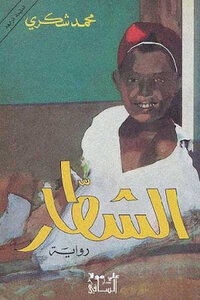
Crazy Roses - A Novel By Muhammad Shukri

Account upgrade
The download is free, but we offer some paid services. Support us by subscribing
Delete ads and speed up browsing the library.
The download starts with the click of a button without waiting for the book to be ready.
No limits for download times.
You can upload unlimited books in the library.
Enable readers to download your books without waiting.
Delete ads on the books that you publish.
No problems with download links for your uploaded books.
Download Book Crazy Roses A Novel By Muhammad Shukri Pdf
The source of the book
This book was brought from archive.org as under a Creative Commons license, or the author or publishing house agrees to publish the book. If you object to the publication of the book, please contact us.


Crazy Roses - A Novel By Muhammad Shukri
| Author: | Muhammad Shoukry |
| Category: | Novels And Literary Stories [Edit] |
| Language: | Arabic |
| Publisher: | الهيئة المصرية العامة للكتاب |
| Pages: | 178 |
| File Size: | 4.03 MB |
| Extension: | |
| Creation Date: | 23 Sep 2009 |
| Rank: | 45,678 No 1 most popular |
| Short link: | Copy |
| More books like this book | |
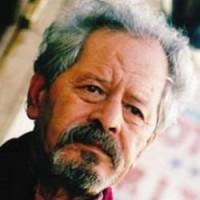
Muhammad Shoukry
The Author Book Crazy Roses - A Novel By Muhammad Shukri .
Mohamed Choukri
ولد محمد شكري في سنة 1935 م في آيت شيكر في إقليم الناظور شمال المغرب. عاش طفولة صعبة وقاسية في قريته الواقعة في سلسلة جبال الريف، ثم في مدينة طنجة التي نزح إليها مع أسرته الفقيرة سنة1942 م. وصل شكري إلى مدينة طنجة ولم يكن يتكلم بعد العربية، عملَ كصبي مقهى وهو دون العاشرة، ثم عمِلَ حمّالاً، فبائع جرائد وماسح أحذية ثم اشتغل بعد ذلك بائعًا للسجائر المهربة.
انتقلت أسرته إلى مدينة تطوان ل Mohamed Choukri
ولد محمد شكري في سنة 1935 م في آيت شيكر في إقليم الناظور شمال المغرب. عاش طفولة صعبة وقاسية في قريته الواقعة في سلسلة جبال الريف، ثم في مدينة طنجة التي نزح إليها مع أسرته الفقيرة سنة1942 م. وصل شكري إلى مدينة طنجة ولم يكن يتكلم بعد العربية، عملَ كصبي مقهى وهو دون العاشرة، ثم عمِلَ حمّالاً، فبائع جرائد وماسح أحذية ثم اشتغل بعد ذلك بائعًا للسجائر المهربة.
انتقلت أسرته إلى مدينة تطوان لكن هذا الشاب الأمازيغي سرعان ما عاد لوحده إلى طنجة. لم يتعلم شكري القراءة والكتابة إلا وهو ابن العشرين. ففي سنة 1955 م قرر الرحيل بعيدًا عن العالم السفلي وواقع التسكع والتهريب والسجون الذي كان غارقًا فيه ودخل المدرسة في مدينة العرائش ثم تخرج بعد ذلك ليشتغل في سلك التعليم.
في سنة 1966م نُشِرَت قصته الأولى العنف على الشاطئ في مجلة الأداب اللبنانية. حصل شكري على التقاعد النسبي و تفرغ تمامًا للكتابة الأدبية. توالت بعد ذالك كتاباته في الظهور. اشتغل محمد شكري في المجال الإذاعي من خلال برامج ثقافية كان يعدها و يقدمها في إذاعة البحر الأبيض المتوسط الدولية (ميدي 1) في طنجة. عاش شكري في طنجة لمدة طويلة ولم يفارقها إلا لفترات زمنية قصيرة
Mohamed Choukri (Berber: Muḥemmed Cikri, Arabic: محمد شكري), born on July 15, 1935 and died on November 15, 2003, was a Moroccan author and novelist who is best known for his internationally acclaimed autobiography For Bread Alone (al-Khubz al-Hafi), which was described by the American playwright Tennessee Williams as 'A true document of human desperation, shattering in its impact'.
Choukri was born in 1935, in Ayt Chiker (Ayt Ciker, hence his adopted family name: Choukri / Cikri), a small village in the Rif mountains, in the Nador province. He was raised in a very poor family. He ran away from his tyrannical father and became a homeless child living in the poor neighborhoods of Tangier, surrounded by misery, prostitution, violence and drug abuse. At the age of 20, he decided to learn how to read and write and became later a schoolteacher. His family name "Choukri" is connected to the name Ayt Chiker which is the Berber tribe cluster he belonged to before fleeing hunger to Tangiers. It is most likely that he adopted this name later in Tangiers, because in the rural Rif family names were rarely registered.
In the 1960s, in the cosmopolitan Tangier, he met Paul Bowles, Jean Genet and Tennessee Williams. His first writing was published in 1966 (in Al-adab, monthly review of Beirut, a novel entitled Al-Unf ala al-shati (Violence on the Beach). International success came with the English translation of Al-khoubz Al-Hafi (For Bread Alone, Telegram Books) by Paul Bowles in 1973. The book was be translated to French by Tahar Ben Jelloun in 1980 (éditions Maspéro), published in Arabic in 1982 and censored in Morocco from 1983 to 2000. The book would later be translated into 30 other languages.
His main works are his autobiographic trilogy, beginning with For Bread Alone, followed by Zaman Al-Akhtaâ aw Al-Shouttar (Time of Mistakes or Streetwise, Telegram Books) and finally Faces. He also wrote collections of short stories in the 1960s/1970s (Majnoun Al-Ward, Madman of the roses, 1980; Al-Khaima, The Tent, 1985). Likewise, he is known for his accounts of his encounters with the writers Paul Bowles, Jean Genet and Tennessee Williams (Jean Genet and Tennessee Williams in Tangier, 1992, Jean Genet in Tangier, 1993, Jean Genet, suite and end, 1996, Paul Bowles: Le Reclus de Tanger, 1997). See also 'In Tangier', Telegram Books 2008 for all three in one volume.
Mohamed Choukri died on November 15, 2003 from cancer at the military hospital of Rabat and was buried at the Marshan cemetery in Tangier on November 17, with the audience of the Minister of Culture, numerous government officials, personalities and the spokesman of the King of Morocco. Before he died, Choukri created a foundation, Mohamed Choukri (president, Mohamed Achaâri), owning his copyrights, his manuscripts and personal writings.
Book Description
"جالس في رحبة مقهى سنترال، وضعي مسترخ. غير مبال بالعابرين. هادئ. ينبغي لمن يريد أن يكلمك أن يهزك من كتفك. هكذا قال لي صديقي. نصفي الأسفل في الشمس. وضع لي كوب شاي. حذرني منه: إنه يحوم حولك. لا تهتم به. يطلب جرعة شاي حذرني منه: إنه يحوم حولك. لا تهتم به. يطلب جرعة شاي، إن لم يعطه أحد إياها فإنه يطلب النعنع ليمتصه، بعد أن يرى الكوب فارغاً. من تقصده؟ ألا تراه؟ ميمون". على العكس من معظم الكتاب الآخرين، تعلّم محمد شكري لغة الأشياء العارية القاسية، قبل أن يتعلم الكلمات "المعبرة"، لذلك تظل حياته اليومية هي الأساس، وتغدو الكتابة بالنسبة له إدماناً جزئياً يرفض أن يجعل منه قناعاً للتجميل أو مطية للارتقاء في السلم الاجتماعية. الخيوط التي ينسج منها شكري مجموعته القصصية "مجنون الورد" تنتهي إلى رسم "جغرافيا سرية" للمدنية ولتحت أرضها، تبدأ تناسلها جميعاً، من مناخ الهامشيين أو من عالم الأطفال. يبدأ الحكي بتلقائية توهمنا أنه يحكي واقعة من "الوقائع المختلفة"، شاهدها في الطريق أو قرأها في الصحيفة وأعاد صياغتها. لكن هذا التوهم سرعان ما يبدده سطوع كلمات مفاجئة وعبارات مكثفة محملة بالإيحاءات والدلالات، تنقلنا إلى عالم قصصي تؤطره وتوحده تلك الخيوط المتناثرة في مختلف القصص. قوام هذا العالم عند شكري، الهامشيون أو الليليون (مقابل النهاريين كما يحلو له أن يقسم الناس).. في قصة "بشير حياً وميتاً" يجسد شكري هذه العلاقة الغريبة بين العاديين العقلاء والشواذ المجانين: بشير "الأحمق" يقلق الآخرين لكنه يسليهم لأنه ليس فاهم. يتحلقون حوله وهو ممدد في الشارع متمنين موته.. وعندما يستيقظ من غيبوبته يصابون بخيبة أمل: "سينظرون إليه كشبح وهو يسير بينهم". وتلقائية شكري، التي يحكي بها، تلازمه وهو يسمي الأشياء المكونة للاهتمامات اليومية عند أشخاصه الهامشيين. ويكون الجنس في طليعة تلك الاهتمامات. إن الثنائية الفاصلة بين الأشياء تنعدم في سلوكاتهم، والجسد كلي، به يواجهون العالم، ومنه يستوحون ردود الفعل.. والشهوة تختلط بما هو نباتي وحيواني، وبالوجود والعدم.


Share the book :
Book Review "Crazy Roses - A Novel By Muhammad Shukri"

Book Quotes "Crazy Roses - A Novel By Muhammad Shukri"

Other books like "Crazy Roses - A Novel By Muhammad Shukri"









If there is a problem with the book, please report through one of the following links:
Report the book or by Contact us
E-books are complementary and supportive of paper books and never cancel it. With the click of a button, the e-book reaches anyone, anywhere in the world.
E-books may weaken your eyesight due to the glare of the screen. Support the book publisher by purchasing his original paper book. If you can access it and get it, do not hesitate to buy it.
Publish your book now for free