Pulsating Endings

Account upgrade
The download is free, but we offer some paid services. Support us by subscribing
Delete ads and speed up browsing the library.
The download starts with the click of a button without waiting for the book to be ready.
No limits for download times.
You can upload unlimited books in the library.
Enable readers to download your books without waiting.
Delete ads on the books that you publish.
No problems with download links for your uploaded books.
Book Pulsating Endings
Copyright reserved
The book cannot be previewed or downloaded in order to preserve the copyright of the author and publishing house
Not available digitally or on paper through the Noor Library, it is for rating and review



Pulsating Endings
| Author: | Abdel Latif Moubarak |
| Category: | Translated Short Stories [Edit] |
| Language: | English |
| Rank: | 904,934 No 1 most popular |
| Short link: | Copy |
| More books like this book | |

Abdel Latif Moubarak
The Publisher and the author
Book Pulsating Endings .
التجربة الإبداعية للشاعر والكاتب عبد اللطيف مبارك: دراسة نقدية وتحليلية مسحية لمرتكزات النص والشعرية والتلقي
المدخل والنشأة: التشكيل مكانيًا وثقافيًا في أفق جيل الثمانينيات
شهد المشهد الأدبي المصري في ثمانينيات القرن العشرين تحولات بنيوية وجمالية جذرية في بنيات القصيدة ونصوص السرد المعاصر. وفي قلب هذا الفضاء الثقافي المتماوج، برز الشاعر والكاتب المصري عبد اللطيف مبارك، واسمه الكامل عبد اللطيف امبارك عمر أحمد، المولود في مدينة السويس في 30 أكتوبر 1964. يحمل التكوين المكاني للشاعر في مدينة السويس دلالة رمزية ووجدانية عميقة؛ إذ شكّلت الذاكرة الوطنية للمدينة وموقعها الجغرافي المتاخم للبحر والقناة خلفيةً حية في صياغة مخيلته الإبداعية وتغذية وعيه بالمقاومة والإنسانية.
حصل عبد اللطيف مبارك على درجة ليسانس الحقوق من جامعة عين شمس بالقاهرة. ومثّلت هذه المرجعية الأكاديمية القانونية رافدًا ملموسًا في إغناء الوعي بالحق والعدالة الإنسانية والانتصار للمهمشين، وهو ما تتضح آثاره جليًا في التزامه الأدبي وقضاياه الاجتماعية المنشورة في دواوينه وسردياته. واكب مبارك حراك جيل الثمانينيات الشعري، وتكرس كأحد الأصوات الأدبية المؤثرة في حركة الشعر والأدب العربي الحديث. وقد اتسع نطاق حضوره المؤسسي والمهني عبر حصوله على عضويات في هيئات أدبية وفنية بارزة، من بينها اتحاد كتاب مصر، واتحاد الكتاب العرب على الإنترنت، إلى جانب انضمامه للجمعية المرموقة للمؤلفين والملحنين وناشري الموسيقى في باريس (الساسيم - SACEM).
امتلك مبارك أسلوبًا كتابيًا متعدّد الأوجه والمستويات اللغوية، إذ زاوج باقتدار بين الشعر بالفصحى والشعر بالعامية المصرية، فضلاً عن السرد القصصي والتأليف الغنائي والترجمة. ونشرت أعماله وتجاربه الأدبية في أعرق الدوريات والمجلات الثقافية والصحف السيّارة في مصر والوطن العربي، من أبرزها مجلة «العربي» الكويتية، و«مجلة الكويت»، و«أخبار الأدب»، وجريدة «الأهرام»، وجريدة «الجمهورية»، ومجلة «الثقافة الجديدة».
التطور السيروري للدواوين الشعرية: من الوجداني إلى الوجودي
تتصف مسيرة عبد اللطيف مبارك الشعرية بالنمو المتدرج والانتقال الذكي بين الذاتية الرومانسية والغنائية الشفيفة من جهة، والتأمل الوجودي واستغوار أزمة الإنسان المعاصر من جهة أخرى. ينعكس هذا التحول الجمالي في متون دواوينه الصادرة على مدار أربعة عقود في المؤسسات الثقافية المصرية والعربية.
بدأت أولى المحطات التوثيقية بنشر ديوان «أحاسيس وأصداء» بالفصحى عام 1994 عن دار الصفوة للطباعة والنشر، ليعقبه بإصدار «العزف على هدير المدافع» عام 1996، الذي استدعى فيه ذاكرة المقاومة والبعد الوطني القومي. وفي عام 1997، أصدر ديوان «همسات البحر» عن فرع ثقافة البحر الأحمر بوزارة الثقافة المصرية، متناولاً فيه ثنائية البحر والغربة والشجن الإنساني بأسلوب غنائي فصيح يرتكز على الصور الاستعارية المصفاة.
ومع مطلع القرن الحادي والعشرين، اتسعت تجربة مبارك لتشمل قصيدة العامية المصرية بوصفها وسيطًا تعبيريًا قادرًا على ملامسة التفاصيل اليومية والجسدية. فصدر ديوانه «قراءة ثانية للجسد» عام 2001 عن إقليم وسط وجنوب الصعيد الثقافي. اتسم هذا الديوان بالجرأة الأسلوبية في تفكيك الرمزية الجسدية وإعادة قراءتها بوصفها مسرحًا للصراع بين الروح والحداثة. تلا ذلك صدور ديوان «نوبة عطش» عام 2007 عن المجلس الأعلى للثقافة بالقاهرة، وهو الديوان الذي كرس مكانه ضمن الشعراء المجددين؛ حيث امتازت نصوصه بتكثيف الاستعارات الوجدانية واستحضار حالات الفقد والظمأ الروحي.
Book Description
Literary Analysis: Structural Cohesion and Narrative Techniques in Abdel Latif Moubarak’s Pulsating Endings
Abdel Latif Moubarak’s short story collection Pulsating Endings presents a rich literary experience characterized by semantic depth and psychological insight. The work explores themes of human conflict, existential transformations, and the concept of "the ending"—not merely as a conclusion to events, but as an explosive, revelatory moment that reshapes the characters' consciousness and destiny.
Major Themes and Thematic Structure
The collection moves across several core themes that reflect complex human, social, and political conditions:
• Existential Guilt and Remorse ("Shadows of the Rubble"): Explores the psychological turmoil of Arthur, a former tank commander tormented by the memory of a child under the debris of Shuja'iyya. Physical disability (amputation) serves as a metaphor for spiritual devastation, turning memory into an inescapable prison.
• Resilience and Liberation Through Art ("The Wind Player"): Focuses on Abdelrahman’s quadriplegia and his transition from physical immobility to creative transcendence. Using eye-tracking technology and sheer willpower, he proves that true captivity lies in silence rather than bodily limitation.
• Tyranny vs. Freedom and Beauty ("The Kingdom of Pale Colors"): A political allegory examining the clash between authoritarian grayness (Asim) and the vibrant, artistic freedom embodied by jasmine and color (Yasin). The narrative underscores that ideals cannot be incarcerated.
• The Fall of Illusion and Social Tragedy ("Layla the Nightingale" & "The Little Mirror of Secrets"): Both stories expose the fragility of fame and appearances. While Layla faces the decline of stardom and public oblivion, seven-year-old Layla innocently mirrors her mother’s secret affair, dismantling her home through childlike imitation.
• Delusion and Fragmented Identity ("The Prophet of Mirage" & "A Hero of Seven Souls"):The Prophet of Mirage dissects religious manipulation and blind faith, whereas A Hero of Seven Souls uses dark humor to portray Adel, a marginalized clerk who copes with reality by acting out classic Egyptian cinema roles.
• Scientific Integrity vs. Institutional Greed ("The Anesthetized Truth"): Chronicles Dr. Refaat’s fight against the pharmaceutical establishment through his holistic "Tayyibat" system, concluding with the ultimate sacrifice for truth.
Linguistic and Semantic Structure
Moubarak’s prose balances poetic imagery with narrative precision. Concise, evocative phrasing reflects the internal states of the characters. True to the title, the collection relies on "pulsating endings"—conclusions that do not neatly bind the narrative, but rather leave unresolved moral and existential questions lingering in the reader's mind.
Would you like to focus on a specific story for a deeper critique using a particular framework, such as psychoanalytic or structuralist theory?

Copyright reserved
The book cannot be previewed or downloaded in order to preserve the copyright of the author and publishing house
Not available digitally or on paper through the Noor Library, it is for rating and review
Share the book :
Book Review "Pulsating Endings"

Book Quotes "Pulsating Endings"

Other books like "Pulsating Endings"



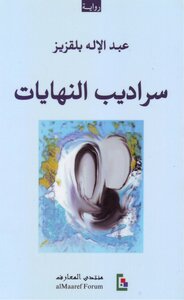


Other books for "Abdel Latif Moubarak"


If there is a problem with the book, please report through one of the following links:
Report the book or by Contact us
E-books are complementary and supportive of paper books and never cancel it. With the click of a button, the e-book reaches anyone, anywhere in the world.
E-books may weaken your eyesight due to the glare of the screen. Support the book publisher by purchasing his original paper book. If you can access it and get it, do not hesitate to buy it.
Publish your book now for free