How Designers Think, Fourth Edition: The Design Process Demystified

Account upgrade
The download is free, but we offer some paid services. Support us by subscribing
Delete ads and speed up browsing the library.
The download starts with the click of a button without waiting for the book to be ready.
No limits for download times.
You can upload unlimited books in the library.
Enable readers to download your books without waiting.
Delete ads on the books that you publish.
No problems with download links for your uploaded books.
Book How Designers Think Fourth Edition The Design Process Demystified
Copyright reserved
The book cannot be previewed or downloaded in order to preserve the copyright of the author and publishing house
Not available digitally or on paper through the Noor Library, it is for rating and review

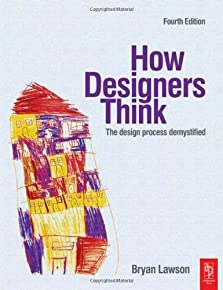

How Designers Think, Fourth Edition: The Design Process Demystified
| Author: | Bryan Lawson |
| Category: | Computer Design [Edit] |
| Language: | English |
| Publisher: | Architectural Press |
| ISBN: | 750660775 |
| Release Date: | 01 Jan 2005 |
| Rank: | 390,159 No 1 most popular |
| Short link: | Copy |
| More books like this book | |
Book Description
How Designers Think is based on Bryan Lawson's many observations of designers at work, interviews with designers and their clients and collaborators. This extended work is the culmination of forty years' research and shows the belief that we all can, and do, design, and that we can learn to design better. The creative mind continues to have the power to surprise and this book aims to nurture and extend this creativity. Neither the earlier editions, nor this book, are intended as authoritative prescriptions of how designers should think but provide helpful advice on how to develop an understanding of design. In this fourth edition, Bryan Lawson continues to try and understand how designers think, to explore how they might be better educated and to develop techniques to assist them in their task. Some chapters have been revised and three completely new chapters added. The book is now intended to be read in conjunction with What Designers Know which is a companion volume. Some of the ideas previously discussed in the third edition of How Designers Think are now explored more thoroughly in What Designers Know. For the first time this fourth edition works towards a model of designing and the skills that collectively constitute the design process. * A unique look at the psychology of the designer that provides a greater insight to the process of design * 'Demystifies' the complexity of the subject and uncovers new ways that design can be done * Conclusions are drawn from years of research and provide the very latest debate on the subject

Copyright reserved
The book cannot be previewed or downloaded in order to preserve the copyright of the author and publishing house
Not available digitally or on paper through the Noor Library, it is for rating and review
Share the book :
Book Review "How Designers Think, Fourth Edition: The Design Process Demystified"

Book Quotes "How Designers Think, Fourth Edition: The Design Process Demystified"

Other books like "How Designers Think, Fourth Edition: The Design Process Demystified"










If there is a problem with the book, please report through one of the following links:
Report the book or by Contact us
E-books are complementary and supportive of paper books and never cancel it. With the click of a button, the e-book reaches anyone, anywhere in the world.
E-books may weaken your eyesight due to the glare of the screen. Support the book publisher by purchasing his original paper book. If you can access it and get it, do not hesitate to buy it.
Publish your book now for free