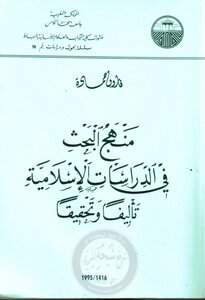
Research Methods In Islamic Studies

Account upgrade
The download is free, but we offer some paid services. Support us by subscribing
Delete ads and speed up browsing the library.
The download starts with the click of a button without waiting for the book to be ready.
No limits for download times.
You can upload unlimited books in the library.
Enable readers to download your books without waiting.
Delete ads on the books that you publish.
No problems with download links for your uploaded books.
Book Research Methods In Islamic Studies
Copyright reserved
The book cannot be previewed or downloaded in order to preserve the copyright of the author and publishing house
Not available digitally or on paper through the Noor Library, it is for rating and review



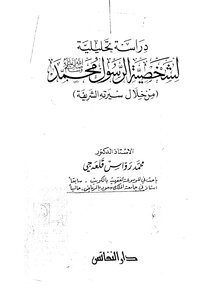
Research Methods In Islamic Studies
| Author: | Muhammad Rawas Qalaa J |
| Category: | Action Research [Edit] |
| Language: | Arabic |
| Publisher: | دار النفائس |
| Release Date: | 01 Jan 1999 |
| Pages: | 144 |
| Rank: | 220,050 No 1 most popular |
| Short link: | Copy |
| More books like this book | |
Book Description
تمتلك الأمة الإسلامية تراثاً علمياً وحضارياً لا تملكه أمة أخرى، وقد كان لعلماء هذه الأمة مناهج في تصنيف علومهم، ولكن هذه المناهج لم تكن ثابتة، بل كانت تتطور نحو الأحسن دائماً، ولم يكن العلماء يعيبون هذا التطور في هذه المناهج، بل كانوا يباركونها.
فالفقه بدأ بشكل فتاوى، أو مسائل جزئية في عصر رسول الله صلى الله عليه وسلم ثم في عصر الصحابة، ثم في عصر التابعين، فكان هؤلاء يسألون عن الوقائع فيجيبون، وبقي الأمر كذلك إلى عصر أبي حنيفة، فترك هذا المنهج في تدوين الفقه، وأخذ يصنف الفقه بحسب الأفعال، فجعل باباً للصلاة، وباباً للصوم، وباباً للزكاة، وباباً للشروط، ولم تعد المسائل عنده متفرقة، وأخذ الأئمة الآخرون كالشافعي ومالك وغيرهم هذا المنهج عن أبي حنيفة، وبقي الأمر كذلك إلى أن جاء أبو العباس الناطفي الحنفي، فانتهج في تصنيف الفقه منهجاً آخر، حيث صنفه في كتابه "جمل الأحكام" بحسب الشرائح الاجتماعية، وجعل أحكام كل شريحة في باب، فعقد باباً لأحكام النساء، وآخر لأحكام الصبيان، وثالثاً لأحكام المجانين، ورابعاً لأحكام الغيب، وخامساً لأحكام الأوصياء، وسادساً: لأحكام المرضى وهكذا، ولما كان عصر ابن تيمية، ظهرت على يده بواكير تصنيف الفقه على منهج آهر، هو منهج النظريات الذي تضم فيه المعاملات المتناظرة إلى بعضها كنظرية العقد، ونظرية التبرع، ونظرية القبض، حتى صار تدوين الفقه الإسلامي على منهج النظريات شائعاً ومنتشراً في وقتنا الحاضر.
وقد مثل ذلك في تطور منهج البحث في السنة وفي منهج تدوينها. وفي الوقت الحاضر، تزايد الاهتمام لدى المؤسسات العلمية بمنهج البحث، ولم يعد مقبولاً أن يعد الباحث بحثه بالطريقة التي يشاء، أو يعرضه بالمنهج الذي يريد، بل صار لا بد من التزام منهج معين في إعداد البحوث وطرق عرضها، ومن هنا جاء اهتمام الجامعات بمنهج البحث، وتدريسه لطلابها.
وهذه المذكرات ما هي إلا جمع لما قررته المراكز العلمية، وما أوصت به في إعداد الأبحاث، مضافاً إليها خبرة المؤلف الشخصية في إعداج الأبحاث، وتحكيمها ومناقشة الرسائل الجامعية.

Copyright reserved
The book cannot be previewed or downloaded in order to preserve the copyright of the author and publishing house
Not available digitally or on paper through the Noor Library, it is for rating and review
Share the book :
Book Review "Research Methods In Islamic Studies"

Book Quotes "Research Methods In Islamic Studies"

Other books like "Research Methods In Islamic Studies"







Other books for "Muhammad Rawas Qalaa J"


If there is a problem with the book, please report through one of the following links:
Report the book or by Contact us
E-books are complementary and supportive of paper books and never cancel it. With the click of a button, the e-book reaches anyone, anywhere in the world.
E-books may weaken your eyesight due to the glare of the screen. Support the book publisher by purchasing his original paper book. If you can access it and get it, do not hesitate to buy it.
Publish your book now for free