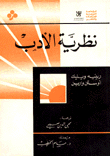
Aristotelian Literature Theory - Basic Problems

Account upgrade
The download is free, but we offer some paid services. Support us by subscribing
Delete ads and speed up browsing the library.
The download starts with the click of a button without waiting for the book to be ready.
No limits for download times.
You can upload unlimited books in the library.
Enable readers to download your books without waiting.
Delete ads on the books that you publish.
No problems with download links for your uploaded books.
Book Aristotelian Literature Theory Basic Problems
Copyright reserved
The book cannot be previewed or downloaded in order to preserve the copyright of the author and publishing house
Not available digitally or on paper through the Noor Library, it is for rating and review



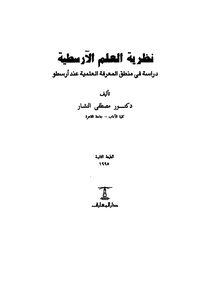
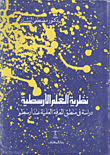
Aristotelian Literature Theory - Basic Problems
| Author: | جريجور شولر |
| Category: | The Basic Education [Edit] |
| Language: | Arabic |
| Publisher: | دار جرير للنشر والتوزيع |
| ISBN: | 9789957381080 |
| Release Date: | 01 Jan 2014 |
| Pages: | 154 |
| Rank: | 344,672 No 1 most popular |
| Short link: | Copy |
| More books like this book | |
Book Description
يتناول كتاب نظرية الأدب الأرسطية العربية للأستاذ الألماني جريجور شولر أثر كتابي فنّ الشعر والخطابة لأرسطو في الثقافة النقدية العربية من خلال شروح هذين الكتابين عند الفلاسفة العرب بدءاً من الفارابي (ت 339هـ)، ثم ابن سينا (ت 428هـ)، فابن رشد (ت 595هـ).
وقد وقف المؤلف عند المصطلحات النقدية عند أرسطو وعند الفلاسفة العرب مثل المحاكاة، واللذة، والتعجيب، ثم أنماط الشعراء مثل الشاعر المطبوع، والمصنوع ثم الشاعر المقلد.
ولعل هذه الوقفة عند تلك المصطلحات قد تطلبت من المؤلف أن يعود ليس فقط إلى شروح الفلاسفة العرب بل إلى مصادر النقد العربية القديمة لكي يقارن ما بين فهم أرسطو والشراح من الفلاسفة العرب لهذه المصطلحات، وما بين النقاد والبلاغيين العرب القدماء لها أيضاً.
وقد حاول المؤلف أن يشرح جهد الفارابي، وكذلك ابن سينا، وأن يبين النظام الذي أتبعاه في أعمالهما المختلفة، كما قام المؤلف بالمقارنة بين نصوص نقدية عند أرسطو في كتابة فن الشعر، وما يقابلها من ترجمات لهذه النصوص نفسها عند الفلاسفة العرب من أمثال الفارابي، وابن سينا، وابن رشد، وأخيراً، فقد توقف المؤلف بإسهاب عند حازم القرطاجني وكتابه منهاج البلغاء حيث يشكل حازم آخر صلة بين كتابي أرسطو: فن الشعر والخطابة والنقد العربي.
وعليه، فإن هذا العمل الذي قدمه المستشرق الأماني شولر في غاية الأهمية، لأنه يتناول موضوعاً أساسياً في النقد العربي وهو العلاقة بين النقد اليوناني ممثلاً بأرسطو والفلاسفة العرب الذين ترجموا أعمال أرسطو وشرحوها وبين النقد العربي ممثلاً بحازم القرطاجني أساساً، وكذلك النقاد العرب السابقين، فهذا العمل يعرف بجهود الألمان في الثقافة العربية، كما يقوم هذا العمل من خلال ترجمته إلى العربية بالتعريف بأهمية الأدب العربي ونقده، ومدى إهتمام الشعوب الأخرى به.
"الأستاذ الدكتور محمود محمد حسن درابسة"

Copyright reserved
The book cannot be previewed or downloaded in order to preserve the copyright of the author and publishing house
Not available digitally or on paper through the Noor Library, it is for rating and review
Share the book :
Book Review "Aristotelian Literature Theory - Basic Problems"

Book Quotes "Aristotelian Literature Theory - Basic Problems"

Other books like "Aristotelian Literature Theory - Basic Problems"




If there is a problem with the book, please report through one of the following links:
Report the book or by Contact us
E-books are complementary and supportive of paper books and never cancel it. With the click of a button, the e-book reaches anyone, anywhere in the world.
E-books may weaken your eyesight due to the glare of the screen. Support the book publisher by purchasing his original paper book. If you can access it and get it, do not hesitate to buy it.
Publish your book now for free