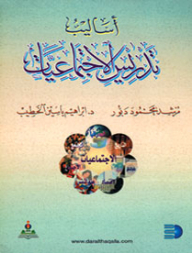
Learning And Teaching Islamic And Social Education

Account upgrade
The download is free, but we offer some paid services. Support us by subscribing
Delete ads and speed up browsing the library.
The download starts with the click of a button without waiting for the book to be ready.
No limits for download times.
You can upload unlimited books in the library.
Enable readers to download your books without waiting.
Delete ads on the books that you publish.
No problems with download links for your uploaded books.
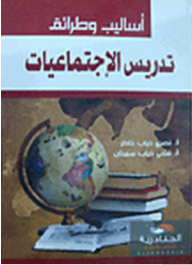
Book Learning And Teaching Islamic And Social Education
Copyright reserved
The book cannot be previewed or downloaded in order to preserve the copyright of the author and publishing house
Not available digitally or on paper through the Noor Library, it is for rating and review



Learning And Teaching Islamic And Social Education
| Author: | Ahmed AlQadri |
| Category: | University Education [Edit] |
| Language: | Arabic |
| Publisher: | دار جرير للنشر والتوزيع |
| Release Date: | 01 Jan 2005 |
| Pages: | 191 |
| Rank: | 721,583 No 1 most popular |
| Short link: | Copy |
| More books like this book | |
Book Description
إن من أبرز ما يدعم بناء شخصية الفرد التزامه بمقومات ثقافة المجتمع الذي ينتمي إليه. وفي مجتمعنا العربي المعاصر نجد أن للتربية الإسلامية أهمية ودور في بناء الشخصية العربية والإسلامية في نفوس أبناء الدول العربية. من هنا تحتل التربية الإسلامية مكانة هامة في البرامج التعليمية بما تشمله من قرآن وحديث وتوحيد وفقه وتفسير وثقافة إسلامية تهدف إلى تربية الطالب على الإسلام من جميع جوانبه الإجتماعية والنفسية والروحية والسلوكية أي أنها تسعى إلى بناء إنسان متكامل.
ومن المعلوم أن المعلم هو المحور الأساسي في العملية التربوية، فالمعلم هو الناطق باسم المنهاج وهو أحد الأدوات الهامة في إيصال أهداف المنهاج إلى الطلبة. لأجل ذلك يتوجه هذا الكتاب إلى المدرسين في الجامعات والمعاهد والكليات للإفادة منه في التربية الإسلامية والإجتماعية، هذا فضلاً عن الطلبة في تخصصات معلم الصف وتربية الطفل ومعلمي المجال والمعلمين في الميدان نظراً لما يتضمنه من أمور تخدم العملية التدريسية، وتضع المعلم في خطوات متقدمة على الطريق، ومن الأمثلة على موضوعات يحتاجها المعلمون وتضمنها كتابنا نموذج لخطة يومية وفصلية وتحليل مستوى وحدة دراسية في التربية الإسلامية والإجتماعية.
يقسم الكتاب إلى مقدمة وسبعة فصول ومباحث: جاء الفصل الأول بعنوان "منهاج التربية الإسلامية والإجتماعية" أما الفصل الثاني فجاء بعنوان "الأساليب التربوية الأصيلة المستمدة من القرآن والسنة وعلاقة معلم التربية الإسلامية بهما" . وتضمن الفصل الثالث "نماذج تحليلية لدروس في التربية الإسلامية" ويبحث الفصل الرابع في إمكانية "تخطيط مناهج التربية الإسلامية والإجتماعية وتطويرها وتقويمها" ويوضح الفصل الخامس أهمية "الكتب المدرسية للتربية الإسلامية والإجتماعية وأدلتها"، ويدرس الفصل السادس إمكانيات "معلمو التربية الإسلامية والإجتماعية وكفاياتهم التعليمية" ويأتي الفصل السابع والأخير ليقدم "أمثلة على أساليب تدريس التربية الإسلامية والإجتماعية".

Copyright reserved
The book cannot be previewed or downloaded in order to preserve the copyright of the author and publishing house
Not available digitally or on paper through the Noor Library, it is for rating and review
Share the book :
Book Review "Learning And Teaching Islamic And Social Education"

Book Quotes "Learning And Teaching Islamic And Social Education"

Other books like "Learning And Teaching Islamic And Social Education"






If there is a problem with the book, please report through one of the following links:
Report the book or by Contact us
E-books are complementary and supportive of paper books and never cancel it. With the click of a button, the e-book reaches anyone, anywhere in the world.
E-books may weaken your eyesight due to the glare of the screen. Support the book publisher by purchasing his original paper book. If you can access it and get it, do not hesitate to buy it.
Publish your book now for free