The Problem Of Islamic Literature

Account upgrade
The download is free, but we offer some paid services. Support us by subscribing
Delete ads and speed up browsing the library.
The download starts with the click of a button without waiting for the book to be ready.
No limits for download times.
You can upload unlimited books in the library.
Enable readers to download your books without waiting.
Delete ads on the books that you publish.
No problems with download links for your uploaded books.
Book The Problem Of Islamic Literature
Copyright reserved
The book cannot be previewed or downloaded in order to preserve the copyright of the author and publishing house
Not available digitally or on paper through the Noor Library, it is for rating and review

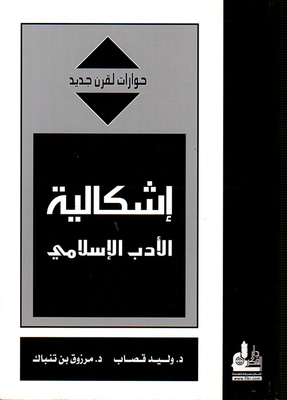

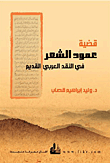
The Problem Of Islamic Literature
| Author: | Walid Kassab |
| Category: | Arabic Islamic Literature [Edit] |
| Language: | Arabic |
| Publisher: | دار الفكر المعاصر السلسلة: حوارات لقرن جديد |
| ISBN: | 9789933100926 |
| Release Date: | 01 Jan 2009 |
| Pages: | 432 |
| Rank: | 527,991 No 1 most popular |
| Short link: | Copy |
| More books like this book | |
Book Description
كتاب يبحث في الإشكاليات التي طرحها الأدب الإسلامي وأثارها مؤيدوه ونقدها معارضوه منذ انطلاقته الأولى. وهو ينقسم إلى قسمين، الأول (إشكاليات الأدب الإسلامي) للدكتور مرزوق بن تنباك الذي بيّن فيه كيفية تشكُّل (رابطة الأدب الإسلامي) وأهدافها، ومن خلال ذلك انتقد إضافة الإسلام على الأدب، لأن الأدب برأيه يتصل بالدين منذ نزول القرآن، ولهذا دعاها (بدعة الأدب الإسلامي) ورأى أن مضمون الفكرة يقوم على أسس إيديولوجية يؤدي بسببها إلى خسارة الأدب الإسلامي الملتزم في نهاية المطاف. ورأى أن التفكير الأولي لرابطة الأدب الإسلامي كان باتجاه استعراض التراث ونخله وتصنيفه والحكم عليه طبقاً لقراءة هذا المأثور وفق الحكم عليه بالكفر أو الإسلام، والفسق أو الصلاح. ولا بد -كما يرى- بعد هذا الزمن الطويل الذي مرَّ على تأسيس الرابطة عام 1985 والذي سعى فيه أعضاؤها لإيجاد منهج إسلامي للأدب.. لابد من مراجعة التجربة الإبداعية والفكرية والنقدية لهذا الأدب الإسلامي لتقييم الحصيلة العلمية التي تمخضت عنها التجربة في هذا المجال.
أما الدكتور وليد قصاب في القسم الثاني من الكتاب وتحت عنوان (ما الأدب الإسلامي؟ ولماذا؟) فقد تحدث عن التعريفات التي اعتمدها رواد الأدب الإسلامي ونقاده ومبدعوه.. وهي تتفق في دلالتها وإن اختلفت ألفاظها. ورأى أن الأدب الإسلامي أدب عظيم الأهمية ورافد غزير التجربة. ثم قدم المؤلف توضيحاً للعلاقة بين الأدب الإسلامي والأدب العربي عموماً، فقال: إن الأدب الإسلامي جزء من الأدب العربي، ولد في أحضانه، واستخدم تقاناته وأدواته الفنية والتعبيرية، ولكنه يختلف عنه باعتباره أدب الشعوب الإسلامية جميعاً. ورأى كذلك أن كل تصور جمالي فكري، وكل تعبير فني موحٍ يقدمه الأديب عن قضية من قضايا الكون والإنسان والحياة وفق التصور الإسلامي يعدُّ أدباً إسلامياً.. فهو ليس أدب رؤية فحسب، ولكنه أدبٌ وأداة ومضمون فني وجمالي وتشكيل لغوي باهر. وأخيراً تحدث مؤلف هذا القسم عن نشأة الأدب الإسلامي وتطوره وظروف نشأة رابطة الأدب الإسلامي وناقش آراء المعترضين على فكرة الأدب الإسلامي وفند مقولاتهم، ودعا إلى تحرر الأدب.

Copyright reserved
The book cannot be previewed or downloaded in order to preserve the copyright of the author and publishing house
Not available digitally or on paper through the Noor Library, it is for rating and review
Share the book :
Book Review "The Problem Of Islamic Literature"

Book Quotes "The Problem Of Islamic Literature"

Other books like "The Problem Of Islamic Literature"




Other books for "Walid Kassab"
If there is a problem with the book, please report through one of the following links:
Report the book or by Contact us
E-books are complementary and supportive of paper books and never cancel it. With the click of a button, the e-book reaches anyone, anywhere in the world.
E-books may weaken your eyesight due to the glare of the screen. Support the book publisher by purchasing his original paper book. If you can access it and get it, do not hesitate to buy it.
Publish your book now for free