Egyptian Graphic Art

Account upgrade
The download is free, but we offer some paid services. Support us by subscribing
Delete ads and speed up browsing the library.
The download starts with the click of a button without waiting for the book to be ready.
No limits for download times.
You can upload unlimited books in the library.
Enable readers to download your books without waiting.
Delete ads on the books that you publish.
No problems with download links for your uploaded books.
Book Egyptian Graphic Art
Copyright reserved
The book cannot be previewed or downloaded in order to preserve the copyright of the author and publishing house
Not available digitally or on paper through the Noor Library, it is for rating and review

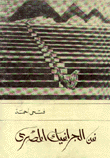

Egyptian Graphic Art
| Author: | Fathy Ahmed |
| Category: | Egyptology [Edit] |
| Language: | Arabic |
| Publisher: | الهيئة المصرية العامة للكتاب |
| Release Date: | 01 Jan 1985 |
| Pages: | 486 |
| Rank: | 281,683 No 1 most popular |
| Short link: | Copy |
| More books like this book | |
Book Description
فن الجرافيك graphic art في معناه العام هو فن قطع أو حفر أو معالجة الألواح الخشبية أو المعدنية أو الحجرية أو أي مادة أخرى بهدف تحقيق أسطح طباعية والحصول على تأثيرات فنية تشكيلية مختلفة عن طريق طباعتها. ويمكن إعجاز هذا التعريف بتسمية هذا الفن "بفن الرسوم المطبوعة" وفن الجرافيك هو طباعة نسخ متماثلة من "كليشيه محفور" يقوم فيه الفنان بأداء كل مراحله وأدواره من عمل التصميم وتجهيز السطوح الطباعية وحفرها وطباعتها.
وقد استعمل الحفر أو الخدش على السطوح منذ أقدم العصور التي عرف فيها الإنسان الفن. فالإنسان البدائي حفر على الصخور والعظام وعلى الأواني الفخارية وقد استعمل هذا الفن أول ما استعمل لدى الصينيين لعمل الزخارف الخاصة لطباعة الأقمشة وكان نوع الحفر المستعمل هو الحفر على الخشب ويرجع تاريخ أول صورة ظهرت في الشرق مطبوعة على ورق من لوح خشبي محفور إلى سنة 868ق.م. وكانت من عمل الصينيين.
أما في أوروبا فإن طباعة الأقمشة من اللوحات الخشبية المحفورة لم تستعمل إلا في العصور الوسطى ولم يتحقق طبع أعمال فنية على الورق حتى القرن الرابع عشر. وفي البلاد العربية، وتحديداً في مصر، لم يكن فن الجرافيك يمارس أو يعرف فيها خلال تاريخها الفني عبر العصور كفن خاص له مقوماته إلا في بداية القرن العشرين... وإن ظهرت في عصور سابقة وعلى وجه الخصوص في عهد الفاطميين (المشوق) التي تستخدم في طباعة المنسوجات، وهي عبارة عن "كليشيهات" محفورة من الخشب بطريقة الحفر البارز، وهي على شكل مربعات أو مستطيلات خشبية صغيرة بها سطح محفور تستعمل لطباعة وحدات زخرفية لتزيين المنسوجات وعلى سبيل التعريف كانت الوحدة بها رسم لزهرة أو وردة أو طائر، كذلك استعمل الحفر الحمضي في العصور الوسطى واستعمله العرب في دمشق وإسبانيا لزخرفة الأسلحة ولكن لم يستخدم في الطباعة إلا بعد السنين الأولى من القرن السادس عشر.
في هذا الإطار يأتي كتاب "فن الجرافيك المصري" الذي يطرق المؤلف فيه موضوعاً لم ينل حظه من الكتابة عنه قبلاً، وذلك بهدف المساعدة على التعريف بتاريخ وتطور حركة فن الجرافيك في مصر والفنانين المشتغلين به في الوقت الذي يعاني فيه الفنانون المصريون من النكران بالقياس لنوعيات الإبداع الأخرى، وهم في الوقت ذاته يمثلون الواجهة الحضارية البارزة والمتفردة في عالمنا المعاصر.

Copyright reserved
The book cannot be previewed or downloaded in order to preserve the copyright of the author and publishing house
Not available digitally or on paper through the Noor Library, it is for rating and review
Share the book :
Book Review "Egyptian Graphic Art"

Book Quotes "Egyptian Graphic Art"

Other books like "Egyptian Graphic Art"



Other books for "Fathy Ahmed"

If there is a problem with the book, please report through one of the following links:
Report the book or by Contact us
E-books are complementary and supportive of paper books and never cancel it. With the click of a button, the e-book reaches anyone, anywhere in the world.
E-books may weaken your eyesight due to the glare of the screen. Support the book publisher by purchasing his original paper book. If you can access it and get it, do not hesitate to buy it.
Publish your book now for free