Regulatory Authority In Lebanon And Its Controls

Account upgrade
The download is free, but we offer some paid services. Support us by subscribing
Delete ads and speed up browsing the library.
The download starts with the click of a button without waiting for the book to be ready.
No limits for download times.
You can upload unlimited books in the library.
Enable readers to download your books without waiting.
Delete ads on the books that you publish.
No problems with download links for your uploaded books.
Book Regulatory Authority In Lebanon And Its Controls
Copyright reserved
The book cannot be previewed or downloaded in order to preserve the copyright of the author and publishing house
Not available digitally or on paper through the Noor Library, it is for rating and review

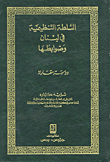

Regulatory Authority In Lebanon And Its Controls
| Author: | نزيه كباره |
| Category: | Political Authorities [Edit] |
| Language: | Arabic |
| Publisher: | جروس برس |
| Release Date: | 01 Jan 1985 |
| Pages: | 386 |
| Rank: | 631,015 No 1 most popular |
| Short link: | Copy |
| More books like this book | |
Book Description
من المعروف أن الدستور اللبناني الصادر في عام 1926 أخذ بمبدأ الفصل بين السلطات، على غرار سائر الدساتير التي احتذت المثال الفرنسي، فقد نص على السلطة المشترعة (المادة السادسة عشرة)، وعلى السلطة الإجرائية التنفيذية (المادة السابعة عشرة) وعلى السلطة القضائية (المادة العشرون). وقد أنيطت السلطة التنفيذية، في لبنان، برئيس الجمهورية الذي يتولاها بمعاونة الوزراء، وتختص هذه السلطة بإدارة شؤون البلاد، وتأمين تنفيذ القوانين التي يسنها المجلس النيابي,
والسلطة التنفيذية، في تأديتها لمهامها هذه تقوم ببعض التصرفات منها العملية، كشق الطرق وتشييد الأبنية العامة والجسور، ومنها القولية، وهذه الأخيرة هي التي تعرف بالقرارات الإدارية، وهي على نوعين: عامة وفردية. فعندنا يتعلق القرار الإداري بأحد الأفراد، كما في حال تعيين موظف أو إعطاء ترخيص بفتح صيدلية واستثمارها، يكون هذا القرار فردياً، أما إذا كان القرار غير شخصي بحيث يتناول المجموع كما في حال إصدار مرسوم يتعلق بتنظيم فتح الصيدليات واستثمارها، أو إنشاء المدارس الخاصة، فإن هذا القرار، يعد تنظيمياً، والجهة التي تصدره تكون لها سلطة تنظيمية.
وقد نصت المادة الحادية والخمسون من الدستور على أن رئيس الجمهورية يتمتع بسلطة تنظيمية باعتباره متوليا السلطة التنفيذية ومسؤولاً عن نشر القوانين وتأمين تنفيذها. ولم يحدد الدستور اللبناني الموضوعات الداخلة في نطاق السلطة التنظيمية، وتلك الداخلة في نطاق السلطة التشريعية، كما فعل دستور الجمهورية الخامسة في فرنسا الصادر في عام 1958.
وغرض هذه الدراسة هو بيان ماهية السلطة التنظيمية والسند القانوني الذي ينشئها، والجهات التي صارت تتمتع بها، وأنواع القرارات التنظيمية أو الأنظمة التي تصدر عن مختلف هذه الجهات، وبيان الضوابط التي يتعين على السلطة التنظيمية أياً كانت أن تتقيد بها، وبيان الحلول التي لجأ إليها لبنان من ضمن أوضاعه الدستورية ليتمشى مع الاتجاه العام الذي صار يولي السلطة التنفيذية اختصاصات تشريعية أكثر اتساعاً من ذي قبل... ومرجعه في ذلك كله هو التشريع والاجتهاد اللبنانيان مع الاستعانة بالتشريع والاجتهاد الفرنسيين على سبيل المقارنة.

Copyright reserved
The book cannot be previewed or downloaded in order to preserve the copyright of the author and publishing house
Not available digitally or on paper through the Noor Library, it is for rating and review
Share the book :
Book Review "Regulatory Authority In Lebanon And Its Controls"

Book Quotes "Regulatory Authority In Lebanon And Its Controls"

Other books like "Regulatory Authority In Lebanon And Its Controls"






Other books for "نزيه كباره"



If there is a problem with the book, please report through one of the following links:
Report the book or by Contact us
E-books are complementary and supportive of paper books and never cancel it. With the click of a button, the e-book reaches anyone, anywhere in the world.
E-books may weaken your eyesight due to the glare of the screen. Support the book publisher by purchasing his original paper book. If you can access it and get it, do not hesitate to buy it.
Publish your book now for free