Esaad Al-Mufti On Explanation Of Mufti’s Drawing Contracts By Muhammad Amin Abdeen

Account upgrade
The download is free, but we offer some paid services. Support us by subscribing
Delete ads and speed up browsing the library.
The download starts with the click of a button without waiting for the book to be ready.
No limits for download times.
You can upload unlimited books in the library.
Enable readers to download your books without waiting.
Delete ads on the books that you publish.
No problems with download links for your uploaded books.
Book Esaad Al Mufti On Explanation Of Mufti S Drawing Contracts By Muhammad Amin Abdeen
Copyright reserved
The book cannot be previewed or downloaded in order to preserve the copyright of the author and publishing house
Not available digitally or on paper through the Noor Library, it is for rating and review

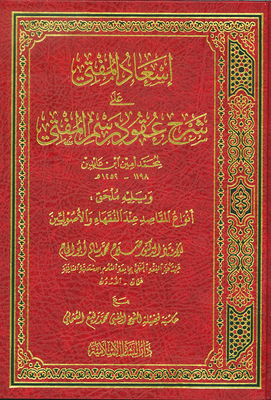

Esaad Al-Mufti On Explanation Of Mufti’s Drawing Contracts By Muhammad Amin Abdeen
| Author: | Salah Muhammad Abu AlHajj |
| Category: | Islamic Fatwas [Edit] |
| Language: | Arabic |
| Publisher: | دار البشائر الإسلامية |
| ISBN: | 9786144371756 |
| Release Date: | 16 Feb 2015 |
| Pages: | 552 |
| Rank: | 175,994 No 1 most popular |
| Short link: | Copy |
| More books like this book | |
Book Description
إنَّ تكوين المَلَكة الفقهيّة التي يقدر بها المرء على فهم الفقه ومعايشته وتعليمه والإفتاء به تحتاج إلى ثلاثة أمور: الأول: دراسة الفروع الفقهيّة المختلفة من الأبواب المتعدّدة، والثاني: دراسة علم الأصول الذي يتعرّف به كيف استخرج الفقه من الأدّلة الشرعيّة، والثالث: دراسة رسم المفتي، وهو العلم الذي يبحث في كيفيّة تطبيق الفقه والعمل به، وبدون ضبط العلوم الثلاثة لا يمكن أن يُستفاد من الفقه على الوجه المعتبر.
والأوّلان علمان مشهوران، وفيهما من المؤلّفات ما لا يُحصى، وتدرّسان في المدارس الدينيّة وفي المؤسّسات الأكاديميّة المختلفة بصورة عامة.
أما العلم الثالث، فهو منسيٌّ في الدراسات الأكاديميّة، مما جعل الدراسة في الفقه نظرية، والضعف فيمَن يتخرّجون منها ظاهرٌ، حيث إنَّهم يجهلون الأداة التي يطبق بها الفقه، فكيف يستفيدون منه ويفيدون مجتمعهم.
وأما في المدارس الدينيّة فهو يُدرَّس ويُعرف، ممَّا جعل الخرِّيجين منها أضبط للعلم الشرعي من غيرهم، ويدرسون فيه هذا الكتاب العظيم الذي بين أيدينا.
هذه القواعد لرسم المفتي هي الأصول التي يرجع إليها المجتهد في المذهب في التخريج والترجيح والإفتاء، فهي تمثل قواعده التي يُعتمد عليها في التعامل مع الأحكام كما يتعامل المجتهد المطلق مع قواعد الأصول من القرآن الكريم والسنّة والإجماع والقياس.
وما بين أيدينا من هذا هو مجرَّد شذرات وفوائد مذكورة هنا وهناك، وأوسعها عند المتقدِّمين هو كلام قاضي خان في مقدمة "فتاواه" المشهورة، وهي في أسطر معدودة، ثم ما جاء في مقدمة "جامع المضمرات" للكادوري وغيرهم.
واهتمّ المتأخرون بتقييد هذه الفوائد؛ بسبب توسّع العلوم، وكثرة الإختلاف أكثر من المتقدمين، وصاروا يصرّحون بها كثيراً في مؤلفاتهم: كابن نجيم، والشرنبلاليّ، وإسماعيل النابلسيّ، والبيريّ، ولكن بقيت فوائد متفرّقة يخبر عنها عند الحاجة.
ولم يتسنّ لأحدٍ أن يجمعها ويرتّبها كما فعل خاتمة المحقِّقين ابن عابدين، حيث جمعها في منظومته المسمّاة: "عقود رسم المفتي" وشرحها، فهي أوسع ما كتب في هذا العلم إلى يومنا هذا، وفيها أرسى أسسه وقواعده.

Copyright reserved
The book cannot be previewed or downloaded in order to preserve the copyright of the author and publishing house
Not available digitally or on paper through the Noor Library, it is for rating and review
Share the book :
Book Review "Esaad Al-Mufti On Explanation Of Mufti’s Drawing Contracts By Muhammad Amin Abdeen"

Book Quotes "Esaad Al-Mufti On Explanation Of Mufti’s Drawing Contracts By Muhammad Amin Abdeen"

Other books like "Esaad Al-Mufti On Explanation Of Mufti’s Drawing Contracts By Muhammad Amin Abdeen"






Other books for "Salah Muhammad Abu AlHajj"


If there is a problem with the book, please report through one of the following links:
Report the book or by Contact us
E-books are complementary and supportive of paper books and never cancel it. With the click of a button, the e-book reaches anyone, anywhere in the world.
E-books may weaken your eyesight due to the glare of the screen. Support the book publisher by purchasing his original paper book. If you can access it and get it, do not hesitate to buy it.
Publish your book now for free