Organization Management - A Holistic Perspective

Account upgrade
The download is free, but we offer some paid services. Support us by subscribing
Delete ads and speed up browsing the library.
The download starts with the click of a button without waiting for the book to be ready.
No limits for download times.
You can upload unlimited books in the library.
Enable readers to download your books without waiting.
Delete ads on the books that you publish.
No problems with download links for your uploaded books.
Book Organization Management A Holistic Perspective
Copyright reserved
The book cannot be previewed or downloaded in order to preserve the copyright of the author and publishing house
Not available digitally or on paper through the Noor Library, it is for rating and review



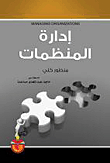
Organization Management - A Holistic Perspective
| Author: | حسين حريم |
| Category: | Business Management [Edit] |
| Language: | Arabic |
| Publisher: | دار الحامد للنشر والتوزيع |
| ISBN: | 9789957320130 |
| Release Date: | 01 Jan 2020 |
| Pages: | 339 |
| Rank: | 141,707 No 1 most popular |
| Short link: | Copy |
| More books like this book | |
Book Description
يمكن إطلاق أوصاف وتسميات عديـدة على عصرنا الحاضر ومن بينها "عصر التغيير"، و"عصر الثورة المعرفية"، و"عصر الاتصالات". وبإمكاننا أن نضيف إلى ذلك "عصر المنظمات". فالمنظمات هي الشكل المؤسسي السائد في المجتمعات المعاصرة، وهي الوسيلة الرئيسة لإشباع مختلف الحاجات الإنسانية من غذاء وكساء وسكن ومواصلات واتصالات وتعليم وصحة وفن ورفاه وغيرها. والمنظمات تحيط بالإنسان من كل جانب وتلازمـه من ولادته إلى حين وفاته، ويستحيل تجنبها أو الفرار منها. هذا بالإضافة إلى أن نسبة كبيرة من الأفراد في كل مجتمع يعملون في مختلف المنظمات، حكومية أم أهلية، صناعية أم تجارية أم زراعية أم تعليمية أم صحية وغيرها.
من هنا تأتي أهمية دراسة وتحليل المنظمات وفهم كيف تعمل المنظمات والقوى الداخلية والخارجية التي تؤثر في عملها ونجاحها. لذا فقد جاء هذا المؤلف ليقدم لكل مهتم بدراسة المنظمات وعملها، للمدير، وللعامل، والمدرس والباحث والطالب، أهم النظريات والمبادئ والمفاهيم والممارسات الحديثة التي تساعد على فهم دينامية المنظمات وعملها وإدارتها من منظور كلي متكامل.
يتضمن هذا المؤلف ثلاثة عشر فصلاً تكمل بعضها بعضاً، يعرض الفصل الأول تطور الفكر التنظيمي وأهم مدارس ونظريات التنظيم، ويناقش الفصل الثاني البيئة الخارجية للمنظمة من حيث أنواعها وخصائصها وأبعادها، وكيفية إدارتها، ويتناول الفصل الثالث رسالة المنظمة وأهدافها وإستراتيجيتها وكيفية قياس أدائها.
أما الفصل الرابع فيناقش الهيكل التنظيمي من حيث أهميته وأبعاده وخصائصه ومكوناته الرئيسة، ويناقش الفصل الخامس نماذج الهيكل التنظيمي الرئيسة، أما الفصل السادس فيتناول حجم المنظمة وعمرها ودورة حياتها، ويعالج الفصل السابع إدارة التقنية في المنظمات الصناعية والخدمية، ثم يلي ذلك مناقشة إدارة المعلومات في المنظمات، في الفصل الثامن، وفي الفصل التاسع تجرى مناقشة القوة والسياسة والصراع التنظيمي.
ويتبع ذلك مناقشة إدارة ثقافة المنظمة، في الفصل العاشر، ويتناول الفصلان الحادي عشر والثاني عشر التغيير والتطوير التنظيمي، والإبداع في المنظمات على التوالي، وأخيراً يستعرض الفصل الثالث عشر التوقعات والإتجاهات المستقبلية بشأن منظمات المستقبل.

Copyright reserved
The book cannot be previewed or downloaded in order to preserve the copyright of the author and publishing house
Not available digitally or on paper through the Noor Library, it is for rating and review
Share the book :
Book Review "Organization Management - A Holistic Perspective"


Other books like "Organization Management - A Holistic Perspective"




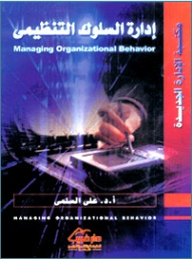

Other books for "حسين حريم"

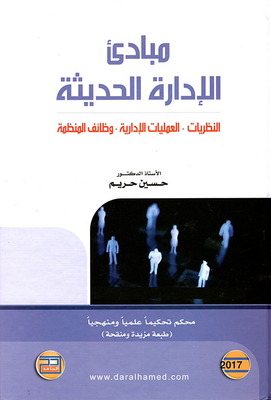

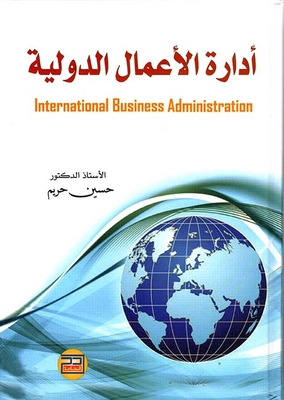
If there is a problem with the book, please report through one of the following links:
Report the book or by Contact us
E-books are complementary and supportive of paper books and never cancel it. With the click of a button, the e-book reaches anyone, anywhere in the world.
E-books may weaken your eyesight due to the glare of the screen. Support the book publisher by purchasing his original paper book. If you can access it and get it, do not hesitate to buy it.
Publish your book now for free