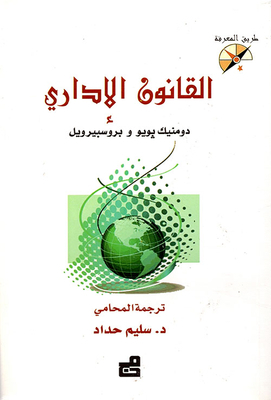
Administrative Law General Principles

Account upgrade
The download is free, but we offer some paid services. Support us by subscribing
Delete ads and speed up browsing the library.
The download starts with the click of a button without waiting for the book to be ready.
No limits for download times.
You can upload unlimited books in the library.
Enable readers to download your books without waiting.
Delete ads on the books that you publish.
No problems with download links for your uploaded books.
Book Administrative Law General Principles
Copyright reserved
The book cannot be previewed or downloaded in order to preserve the copyright of the author and publishing house
Not available digitally or on paper through the Noor Library, it is for rating and review

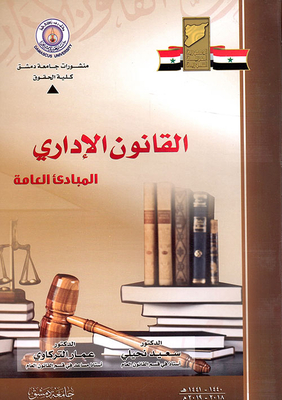

Administrative Law General Principles
| Author: | سعيد نحيلي |
| Category: | Administrative Law [Edit] |
| Language: | Arabic |
| Publisher: | جامعة دمشق |
| Release Date: | 11 Feb 2019 |
| Pages: | 376 |
| Rank: | 121,123 No 1 most popular |
| Short link: | Copy |
| More books like this book | |
Book Description
تتنوع القواعد القانونية النافذة في أي دولة بتنوع العلاقات التي جاءت تلك القواعد لتنظمها ولتحكمها، فهناك من جهة القواعد القانونية التي تهدف إلى تنظيم العلاقات الخاصة التي تنشأ بين الأشخاص الطبيعيين او تلك التي تنشأ بين الأفراد والأشخاص الإعتباريين (المعنويين).
وعادة ما تأخذ هذه العلاقة الخاصة الطابع المدني أو التجاري أو العائلي، والهدف الرئيسي لهذا النوع من القواعد القانونية يكمن في وضع الضابط القانوني السليم الذي من شأنه أن يكون المرجع الثابت في حل المنازعات التي تنشأ بين أطراف العلاقات الخاصة.
وهناك من جهة ثانية القواعد القانونية التي تهدف إلى تنظيم العلاقات التي تنشأ بين الدولة بسلطاتها الثلاث (التشريعية والتنفيذية والقضائية) وأشخاص من القانون الخاص (طبيعيين كانوا أم إعتباريين).
وتأخذ هذه العلاقات عادة الطابع الإداري أو الدستوري أو المالي أو الدولي.
وبناءً على ما ذكر، فإذا ما قمنا بتتبع النظم القانونية لغالبية دول عالمنا المعاصر، سوف نخلص إلى نتيجة واضحة تتجلى بأن هذه الدول اعتمدت النظام القانوني المزدوج والمتمثل في وجود قسمين رئيسيين للقانون هما: قسم القانون العام وقسم القانون الخاص.
وقواعد القانون العام تحكم العلاقة بين الدولة بحسبانها صاحبة السيادة والسلطان مع الأفراد أو بينها وبين الدول الأخرى، في حين أن قواعد القانون الخاص تتصرف لتنظيم علاقات الأفراد فيما بينهم أو تلك التي تنشأ بين الدولة (عندما تتنازل هذه عن صفتها كسلطة عامة، وتنزل منزلة الأفراد العاديين)، وتدخل بهذه الصفة في علاقة مع الأفراد.
وقد نجم عن إعتماد هذه الدول للنظام القانوني المزدوج أن اعتمدت نظاماً قضائياً مزدوجاً يتمثل في ضرورة وجود قضاء عادي متخصص في حسم المنازعات العادية، ووجود قضاء إداري أو دستوري متخصص في حسم المنازعات الإدارية والدستورية.
وبعد أن تكرس النظام القانوني المزدوج وانتشر بحيث يسود في وقتنا الحالي أكثرية دول العالم، انشغل الفقه في إقامة نظام تصنيفي يقسِّم الأقسام الرئيسة للقانون إلى فروع.
فمن المتفق عليه في أوساط الفقه الذي آمن بإزدواجية النظام القانوني هو تقسيم القانون العام إلى قانون إداري وقانون دستوري وقانون جزائي وقانون مالي، وتقسيم القانون الخاص إلى قانون مدني وقانون تجاري وقانون عائلي (أحوال شخصية).

Copyright reserved
The book cannot be previewed or downloaded in order to preserve the copyright of the author and publishing house
Not available digitally or on paper through the Noor Library, it is for rating and review
Share the book :




Other books like "Administrative Law General Principles"










Other books for "سعيد نحيلي"
If there is a problem with the book, please report through one of the following links:
Report the book or by Contact us
E-books are complementary and supportive of paper books and never cancel it. With the click of a button, the e-book reaches anyone, anywhere in the world.
E-books may weaken your eyesight due to the glare of the screen. Support the book publisher by purchasing his original paper book. If you can access it and get it, do not hesitate to buy it.
Publish your book now for free