Preposition After The Letter In Arabic Grammar

Account upgrade
The download is free, but we offer some paid services. Support us by subscribing
Delete ads and speed up browsing the library.
The download starts with the click of a button without waiting for the book to be ready.
No limits for download times.
You can upload unlimited books in the library.
Enable readers to download your books without waiting.
Delete ads on the books that you publish.
No problems with download links for your uploaded books.
Book Preposition After The Letter In Arabic Grammar
Copyright reserved
The book cannot be previewed or downloaded in order to preserve the copyright of the author and publishing house
Not available digitally or on paper through the Noor Library, it is for rating and review



Preposition After The Letter In Arabic Grammar
| Author: | صادق حسين كنيج |
| Category: | Arabic Grammar And Arabic Grammar [Edit] |
| Language: | Arabic |
| Publisher: | مركز البحوث والدراسات الإسلامية السلسلة: الدراسات الإسلامية المعاصرة |
| Release Date: | 01 Jan 2009 |
| Pages: | 490 |
| Rank: | 446,510 No 1 most popular |
| Short link: | Copy |
| More books like this book | |
Book Description
تحت عنوان "الجر بعد الحرف في النحو العربي" يقدم الدكتور صادق حسين كنيج دراسة تقتصر على جزء من ظاهرة النحو العربي وهي وقوع الإسم بعد حروف الإضافة، قدم لها بتمهيد يتناول الجر من حيث كونه حالة إعرابية تختص بها الأسماء في العربية بين اللغات الأخرى ومصطلحاً نحوياً وُجد كغيره من المصطلحات بعد وضع علم النحو مع توضيح المؤلف الصلة بين المعنيين واللغوي والإصطلاحي لهذه اللفظة وما يرادفها ويتعلق بها. وكان لا بد للمؤلف من الوقوف على بيان الحروف التي يقع الإسم مجروراً بعدها وذكر أنواعها وأحوالها ونظرة النحاة إليها، لذلك كله انتظمت الدراسة في ثلاثة ابواب خصص الباب الأول للكلام على بيان الحروف وأقسامها فذكر في فصله الأول الألفاظ التي تعد حروف إضافة في حالات مخصوصة فتعرض إلى اختلاف النحاة في عدد حروف الإضافة وقسم الفصل إلى اربعة مباحث الأول فيما يقع حرف إضافة عند قبيلة دون سواها، والثالث في الحروف غير المختصة التي يليها المجرور وغير المجرور إسماً كان أو فعلاً، والرابع في ألفاظ اتفق النحاة على جر الإسم بعدها ولكنهم اختلفوا في أمرها إذ عدها فريق اسماء وعدها غيرهم حروفاً، ثم عرض في الفصل الثاني لحروف الإضافة بين اقسام الكلم فبحث وضعها والحكم بحرفيتها ثم ناقش ما قيل في استعمال طائفة منها استعمال السماء والأفعال.
أما الباب الثاني فدرس خلاله الحرف والمجرور في التركيب، وعرض في الفصل الأول منه بحث صلة الحرف بالإسم واتصاله به فناقش ما قيل في على الجر ودخول حرف الإضافة في تركيب بعض الألفاظ واقترانه بـ(ما) ومنع الفصل بين الحرف والمجرور. ثم تناول بعد ذلك دراسة صلة الحرف بالفعل قبله وما قيل في تعدية الفعل بالحرف وتعلق الحرف بالفعل، وخصص الفصل الثاني من هذا الباب لأحكام المجرور متناولاً علامة جره وأحواله وتوابعه، وقد وجد أن حرف الإضافة يحذف مرة ويزاد أخرى فكان الباب الثالث لدراسة إعراب الإسم عند حذف الحرف وأحوال الحذف في فصله الأول، ومفهوم الزيادة وأحرف الإضافة التي تقع زائدة وإعراب الإسم في فصله الثاني، وأخيراً خاتمة ونتائج الدراسة.

Copyright reserved
The book cannot be previewed or downloaded in order to preserve the copyright of the author and publishing house
Not available digitally or on paper through the Noor Library, it is for rating and review
Share the book :
Book Review "Preposition After The Letter In Arabic Grammar"

Book Quotes "Preposition After The Letter In Arabic Grammar"

Other books like "Preposition After The Letter In Arabic Grammar"



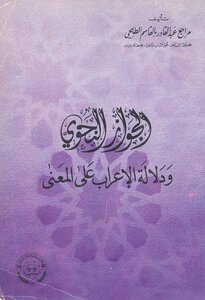
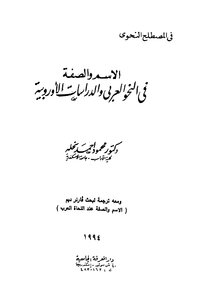
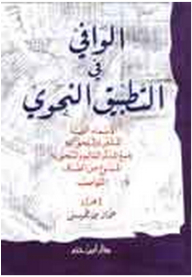
Other books for "صادق حسين كنيج"

If there is a problem with the book, please report through one of the following links:
Report the book or by Contact us
E-books are complementary and supportive of paper books and never cancel it. With the click of a button, the e-book reaches anyone, anywhere in the world.
E-books may weaken your eyesight due to the glare of the screen. Support the book publisher by purchasing his original paper book. If you can access it and get it, do not hesitate to buy it.
Publish your book now for free