Multiple Intelligences - New Frontiers

Account upgrade
The download is free, but we offer some paid services. Support us by subscribing
Delete ads and speed up browsing the library.
The download starts with the click of a button without waiting for the book to be ready.
No limits for download times.
You can upload unlimited books in the library.
Enable readers to download your books without waiting.
Delete ads on the books that you publish.
No problems with download links for your uploaded books.
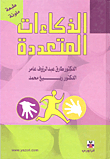
Book Multiple Intelligences New Frontiers
Copyright reserved
The book cannot be previewed or downloaded in order to preserve the copyright of the author and publishing house
Not available digitally or on paper through the Noor Library, it is for rating and review



Multiple Intelligences - New Frontiers
| Author: | Howard Gardner |
| Category: | Multimedia [Edit] |
| Language: | Arabic |
| Publisher: | دار الفكر للنشر والتوزيع |
| ISBN: | 9789957079833 |
| Release Date: | 01 Jan 2013 |
| Pages: | 272 |
| Rank: | 203,082 No 1 most popular |
| Short link: | Copy |
| More books like this book | |

Howard Gardner
The Author Book Multiple Intelligences - New Frontiers .
Howard Gardner is the John H. and Elisabeth A. Hobbs Professor of Cognition and Education at the Harvard Graduate School of Education. He also holds positions as Adjunct Professor of Psychology at Harvard University and Senior Director of Harvard Project Zero. Among numerous honors, Gardner received a MacArthur Prize Fellowship in 1981. He has received honorary degrees from 26 colleges and univers Howard Gardner is the John H. and Elisabeth A. Hobbs Professor of Cognition and Education at the Harvard Graduate School of Education. He also holds positions as Adjunct Professor of Psychology at Harvard University and Senior Director of Harvard Project Zero. Among numerous honors, Gardner received a MacArthur Prize Fellowship in 1981. He has received honorary degrees from 26 colleges and universities, including institutions in Bulgaria, Chile, Greece, Ireland, Israel, Italy, and South Korea. In 2005 and again in 2008, he was selected by Foreign Policy and Prospect magazines as one of the 100 most influential public intellectuals in the world. The author of 25 books translated into 28 languages, and several hundred articles, Gardner is best known in educational circles for his theory of multiple intelligences, a critique of the notion that there exists but a single human intelligence that can be adequately assessed by standard psychometric instruments.
During the past two decades, Gardner and colleagues at Project Zero have been involved in the design of performance-based assessments; education for understanding; the use of multiple intelligences to achieve personalized curriculum, instruction, and pedagogy; and the quality of interdisciplinary efforts in education. Since the middle 1990s, in collaboration with psychologist Mihaly Csikszentmihalyi and William Damon, Gardner has directed the GoodWork Project-- a study of work that is excellent, engaging, and ethical. More recently, with long time Project Zero colleagues Lynn Barendsen and Wendy Fischman, he has conducted reflection sessions designed to enhance the understanding and incidence of good work among young people. With Carrie James and other colleagues at Project Zero, he is also investigating the nature of trust in contemporary society and ethical dimensions entailed in the use of the new digital media. Among new research undertakings are a study of effective collaboration among non-profit institutions in education and a study of conceptions of quality, nationally and internationally, in the contemporary era. In 2008 he delivered a set of three lectures at New York's Museum of Modern Art on the topic "The True, The Beautiful, and The Good: econsiderations in a post-modern, digital era."
from .
Book Description
بحوثي في علم النفس النائي، وعلم النفس العصبي- والتي أدت إلى نظرية الذكاءات التعددة- بدأت عام 1970 – أما الخطوط الرئيسة للنظرية فقد استكملت عام 1980، وظهر كتابي: أُطر العقل: نظرية الذكاءات المتعددة عام1983. على الرغم من أن المحرر والناشر كانت لديهم توقعات عالية بالنسبة للكتاب، إلا أنني لم أعتقد أن هذه الأفكار سوف تجذب اهتمام التربويين، وأنَّها سوف تستمر لمدة خمسة وعشرين عاماً في كل مناطق العالم.
أثناء العقد الذي تلا نشر هذا الكتاب، انشغلتُ بالعديد من المشروعات التربوية- تلك المشروعات انطلقت – بطريقة أو بأخرى – من نظرية الذكاءات المتعددة. لقد تجنبت عمل مراجعة أو تلخيص صريح للنظرية. وفي عام 1993، أصدرت – الذكاءات التعددة: النظرية والممارسة، قمت وفيه باستعراض النقاط الرئيسة للنظرية، وتحدثت عن العديد من التجارب التربوية. بعد ذلك بقليل، بدأت أتحدث صراحةً عن بعض المفاهيم المغلوطة والاستخدامات الخطأ للنظرية. أما في إعادة تأطير الذكاء(1999)، فقد قدمت تحديثاً موجزاً للنظرية، استجبتُ للعديد من الأسئلة، والمفاهيم، والنقد، واكتشفت علاقة الذكاء بالمفاهيم الأخرى التي بحثت فيها مثل القيادة، الابتكار، والأخلاق.
يقدم هذا الكتاب استعراضاً حديثاً وشاملاً عن نظرية الذكاءات المتعددة.يُقسم الكتاب إلى ثلاثة أجزاء. في الجزء الأول"النظرية"، قدّم ملخصاً عن النظرية الأصلية (الفصل الأول)، ومناقشة عن الطرق الرئيسة التي تغيّرت بها النظرية (الفصل الثاني): إضافة الذكاءات، التمييز بين المجالات والذكاءات، والتميز بين المفاهيم المختلفة للعقل. بعد ذلك، هناك تصوّر للعلاقة بين الذكاء والقدرات المعرفية الأخرى، مثل الابتكار، الخبرة، والعبقرية (الفصل الثالث). ثم يصف الطريقة التي ظهرت بها الدراسة النفسية في مجموعة من القضايا التربوية والتوصيات التربوية (الفصل الرابع). ثم يجيب عن أسئلة ونقد رئيس – هذه الأسئلة وهذا النقد أُثير في الربع الأخير من القرن الماضي (الفصل الخامس).
في الجزء الثاني"المناظير التربوية"، ركز الكتاب على التجارب التربوية المعينة. وهذه تتراوح ما بين الجهود لرعاية وقياس ذكاءات الأطفال في مرحلة ما قبل المدرسة إلى محاولات احتضان لدى المراهقين للطرق المنظمة الرئيسة للتفكير بما في ذلك تلك الطرق التي تميز الفنون (الفصول من السادس إلى التاسع). كما تحدث عن مناقشة الهدف الرئيس للتربية (الفصل الثامن)، والمقترح التفصيلي للأشكال الجديدة للتقييم (الفصل العاشر).
وفي الجزء الثالث، "المشاهد الجديدة"، يتعرض الكتاب لوجهة النظر الظاهرة عن الذكاء التي ينمو فيها صغار الأطفال (الفصل الحادي عشر). ويتبع ذلك التفكير في كيفية استخدام أفكار الذكاءات المتعددة، وكيفية تطبيقها في ورشة العمل (الفصل الثاني عشر). أما المقال الأخير (الفصل الثالث عشر)، فهو ينظر نحو المستقبل: اتجاه البحوث عن الذكاء، والمصادر الجديدة للمعلومات عن الذكاءات، والجمهور المتغير للذكاءات المتعددة، ومكان النظرية في العالم سريع التغير.

Copyright reserved
The book cannot be previewed or downloaded in order to preserve the copyright of the author and publishing house
Not available digitally or on paper through the Noor Library, it is for rating and review
Share the book :
Book Review "Multiple Intelligences - New Frontiers"

Book Quotes "Multiple Intelligences - New Frontiers"

Other books like "Multiple Intelligences - New Frontiers"





If there is a problem with the book, please report through one of the following links:
Report the book or by Contact us
E-books are complementary and supportive of paper books and never cancel it. With the click of a button, the e-book reaches anyone, anywhere in the world.
E-books may weaken your eyesight due to the glare of the screen. Support the book publisher by purchasing his original paper book. If you can access it and get it, do not hesitate to buy it.
Publish your book now for free